
9 Social Development Strategies to Help Children Integrate into Groups
For many children, navigating the complex world of peer relationships can be a daunting challenge. Integrating into a group, whether at school, in extracurricular activities, or in the neighborhood, is a critical aspect of social development. It's more than just making friends; it's about learning to cooperate, communicate, empathize, and find one's place within a social structure. These skills are foundational for emotional well-being, academic success, and long-term happiness. Parents, caregivers, and educators often wonder how they can best support children in this journey. The process isn't about forcing popularity but about equipping children with the tools and confidence to form genuine, healthy connections. This article outlines nine concrete, actionable strategies drawn from child psychology and educational best practices to help children successfully integrate into social groups and thrive within them.
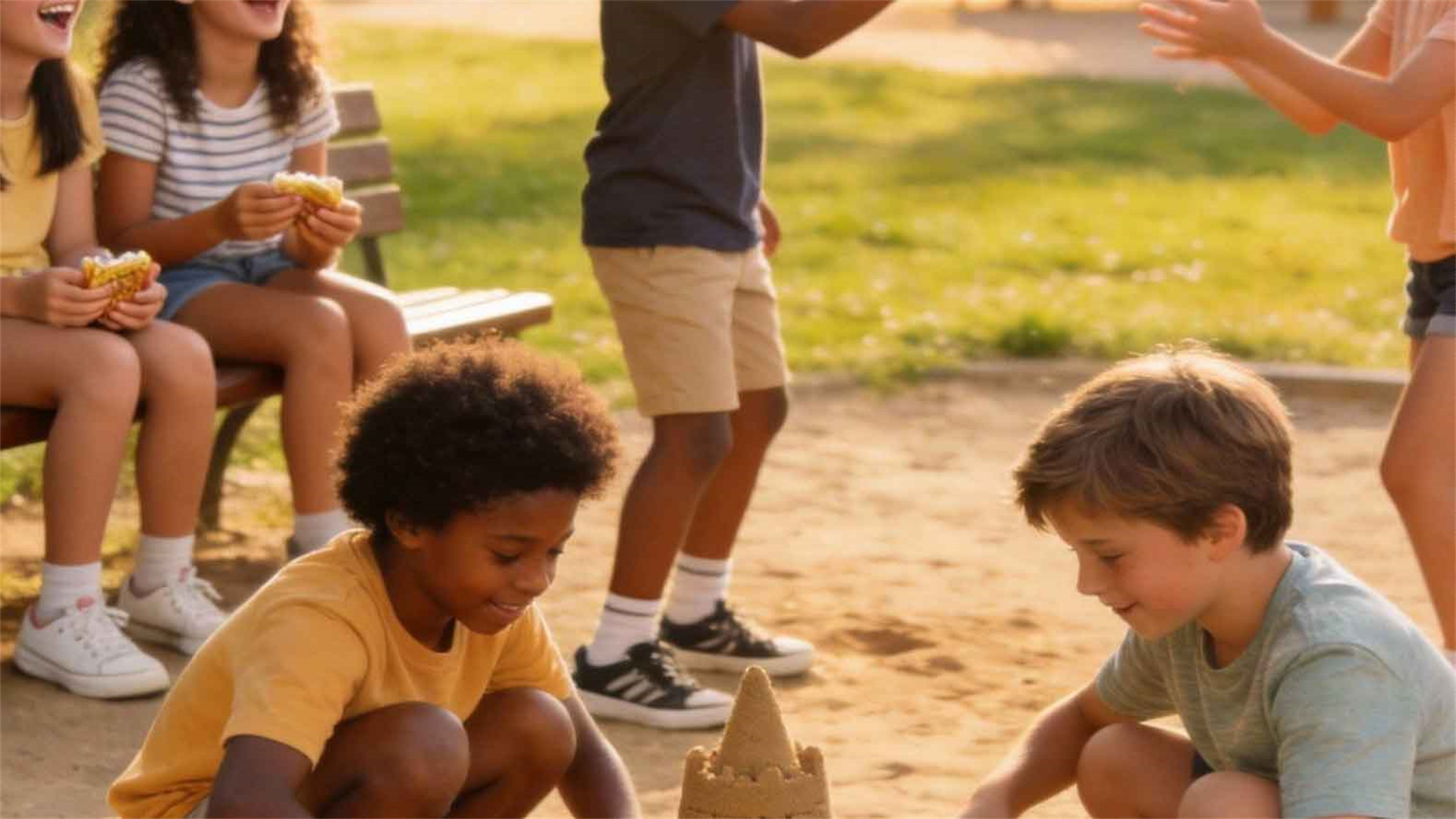
1. 🛠️ Teach Foundational Social Skills Explicitly
Social integration doesn't always happen intuitively. Many core skills need to be taught, modeled, and practiced, much like reading or math.
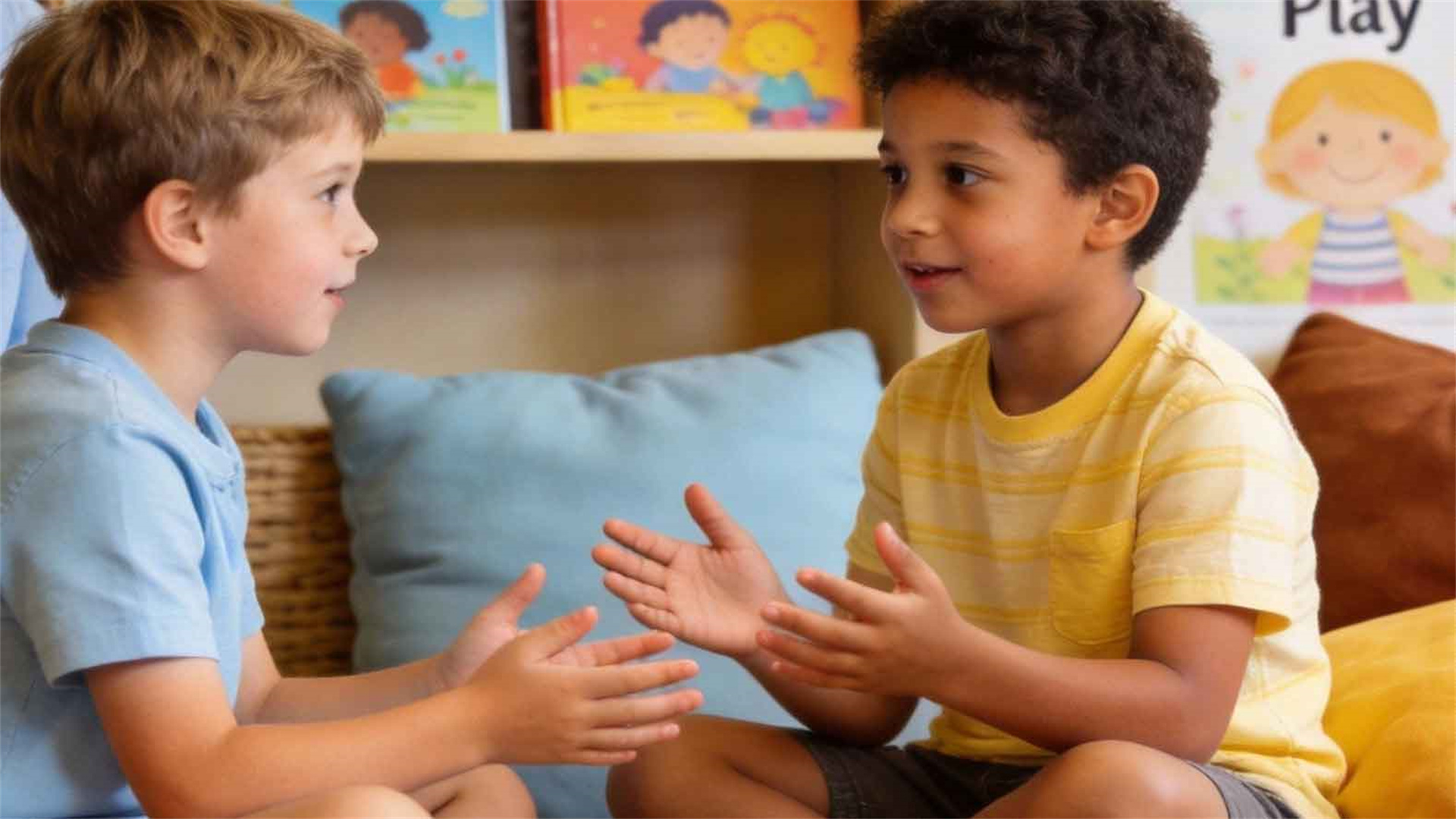
1.1. The Art of Conversation: Greetings, Turn-Taking, and Active Listening
Teach children the basic building blocks of interaction. Role-play how to introduce themselves, make eye contact, and use a friendly tone. Practice the flow of conversation, emphasizing the importance of listening to others, waiting for a pause to speak, and asking follow-up questions. Use prompts like, "What did they just say that you can ask more about?"
1.2. Understanding and Using Non-Verbal Cues
Help children read body language, facial expressions, and personal space. Use pictures, videos, or real-life observations to discuss what different cues might mean (e.g., crossed arms, looking away, someone standing too close). Teach them to be aware of their own non-verbal signals.
1.3. The "Social Script" Approach for Common Scenarios
For anxious children, having a mental script can reduce uncertainty. Practice phrases for joining a game ("Can I play too?"), giving a compliment ("I like your drawing"), or handling rejection ("Okay, maybe next time"). This provides a safety net for social initiation.

2. 🎭 Foster Empathy and Emotional Intelligence
The ability to understand and share the feelings of others is the glue that holds groups together. A child who can empathize is better at resolving conflicts and forming deep bonds.
2.1. Labeling Emotions in Themselves and Others
Expand your child's emotional vocabulary beyond "happy" and "sad." Discuss characters in books or movies: "How do you think she felt when that happened? What makes you think that?" At home, label your own emotions appropriately ("I'm feeling frustrated because I can't find my keys").
2.2. Perspective-Taking Exercises
Encourage your child to see situations from another's viewpoint. Ask questions like, "How would you feel if you were the one left out of the game?" or "Why do you think your friend was quiet today?" This builds cognitive empathy.
2.3. Encouraging Acts of Kindness and Support
Create opportunities for your child to practice empathetic actions. This could be making a card for a sick classmate, sharing a toy with a sibling, or standing up for someone being treated unfairly. Praise the effort and focus on how their action made the other person feel.
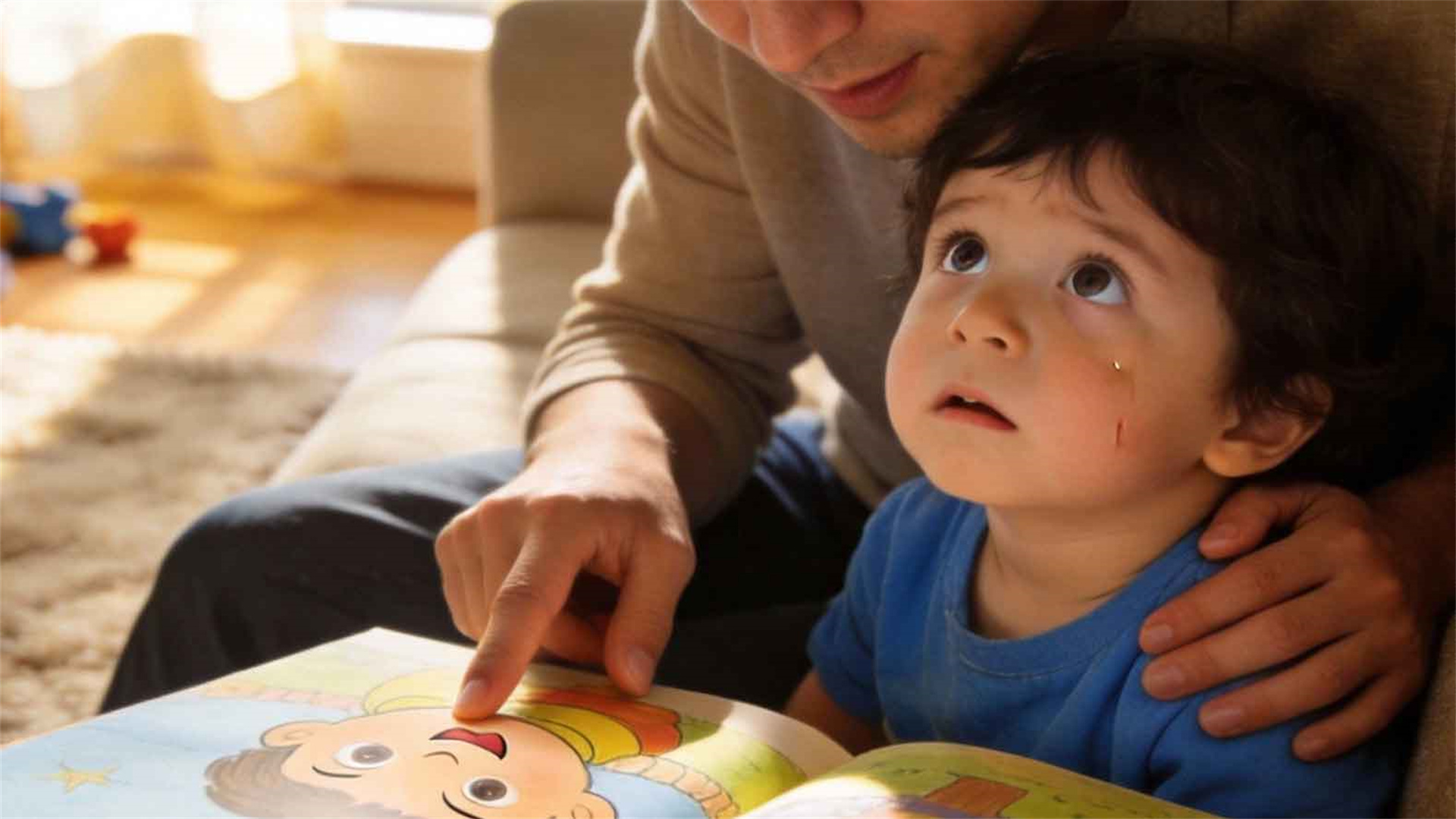
3. 🏠 Create and Facilitate Structured Social Opportunities
Integration requires opportunities. Parents can play a pivotal role in orchestrating low-pressure social environments where skills can be practiced.
3.1. The Power of the Playdate: Start Small and Structured
Begin with one-on-one playdates with a potentially compatible peer. Keep them short (1-2 hours) and have a planned activity or two (a craft, baking, a board game) to minimize unstructured downtime that can lead to conflict. Be present to gently guide if needed, but allow them space to interact.
3.2. Leverage Extracurricular Activities Based on Interest
Enroll your child in a club, sport, or class centered on their genuine interest—be it coding, soccer, drama, or art. Shared passion provides a natural, organic foundation for conversation and camaraderie, reducing the pressure to "make friends" from scratch.
3.3. Host Group Activities with a Clear Focus
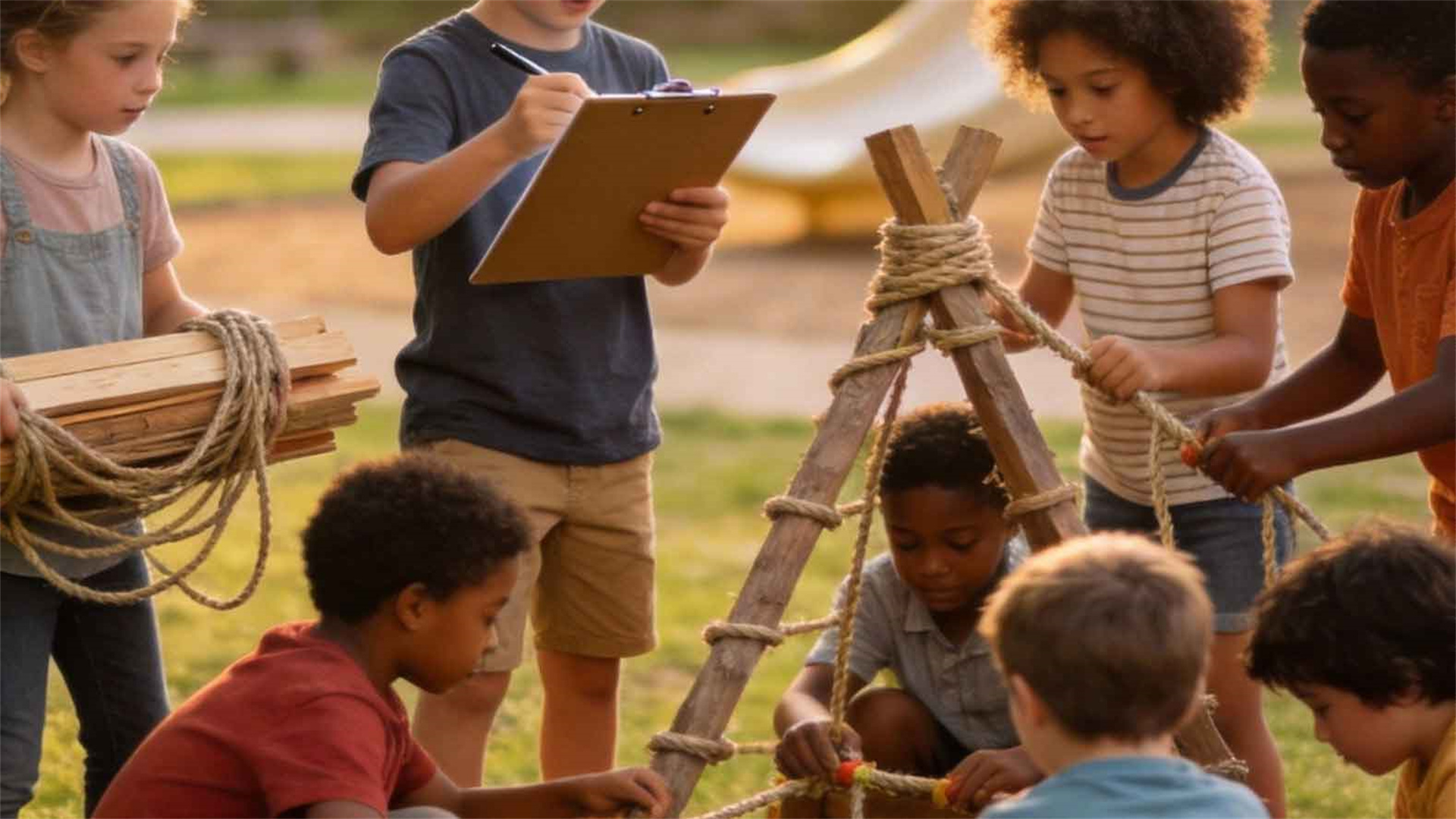
Organize a small group activity, like a themed movie night, a scavenger hunt, or a building project. A shared goal directs the social energy and provides a common topic for interaction, making it easier for a quieter child to participate.
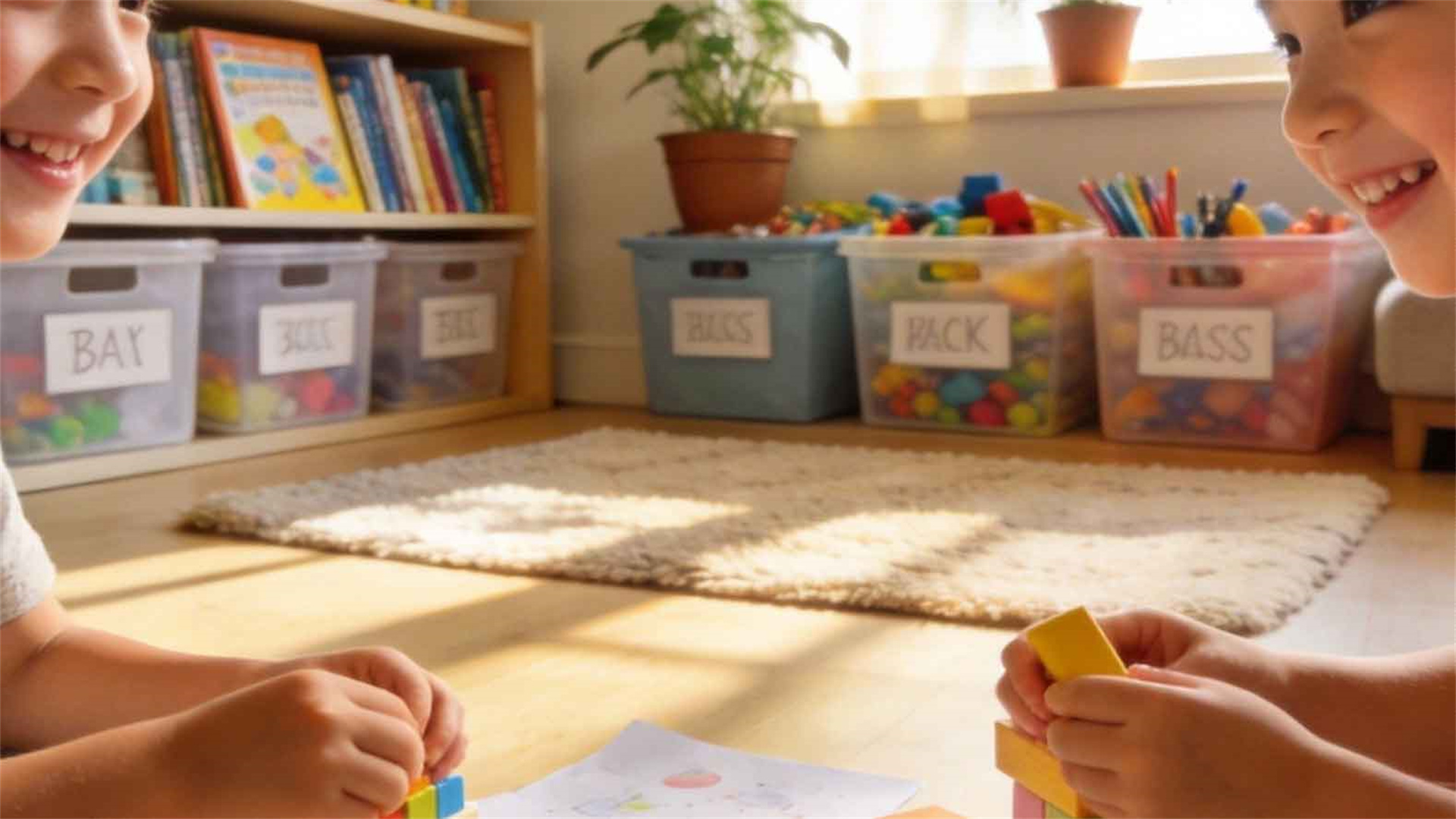
4. 👨👩👧👦 Model and Coach Positive Group Dynamics at Home
The family is a child's first and most influential social group. The interactions modeled and practiced here set the template for external relationships.
4.1. Demonstrate Healthy Conflict Resolution
When disagreements arise at home, model calm problem-solving. Use "I feel" statements, listen actively, and brainstorm solutions together. Let your child see that conflict is normal and can be resolved respectfully without winners or losers.
4.2. Practice Cooperation Through Family Projects
Work as a team on tasks like cooking a meal, building a fort, or cleaning the garage. Assign roles, emphasize that everyone's contribution is valuable, and celebrate the collective achievement. This mirrors collaborative work in classroom or play groups.
4.3. Encourage Sibling Bonding (If Applicable)
Facilitate positive interactions between siblings. Encourage them to play games that require teamwork, to collaborate on surprising you with a perform, or to support each other's endeavors. The negotiation and companionship skills learned here are directly transferable.

5. 🏫 Partner with Teachers and School Community
Educators are valuable allies who observe your child in a primary social environment. A strong home-school partnership is key.
5.1. Communicate Openly About Social Goals
Share your observations and hopes with the teacher. Ask for their insights: "How does she interact during group work?" or "Does he have anyone he regularly plays with at recess?" Teachers can often facilitate connections you cannot see.
5.2. Support Classroom "Buddy" Systems and Inclusive Practices
Encourage and appreciate when teachers use strategies like rotating partners for projects, "buddy benches" on the playground, or classroom meetings that discuss feelings and inclusion. Volunteer for class events to show your child you are engaged in their community.
5.3. Address Bullying or Exclusion Proactively and Collaboratively
If you suspect your child is being excluded or bullied, approach the school calmly and factually. Work *with* the teacher or counselor to develop a plan that supports your child, addresses the behavior of others, and fosters a more inclusive environment for all.
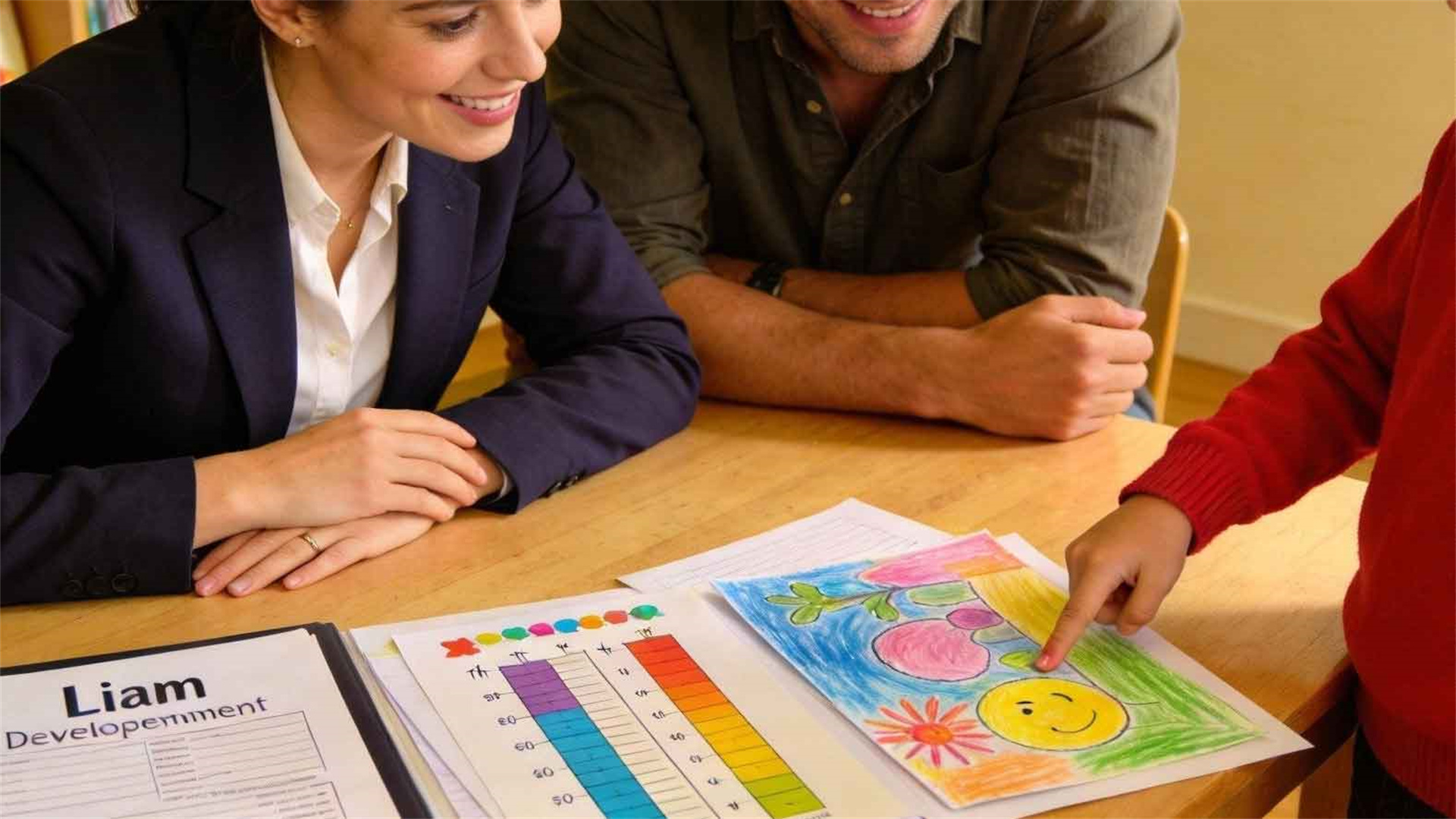
6. 💪 Build Self-Confidence and a Strong Self-Concept
A child who feels good about themselves is more likely to reach out to others. Confidence is magnetic in social settings.
6.1. Nurture Competence in Specific Areas
Help your child develop a skill or deep knowledge in something they enjoy—whether it's dinosaurs, piano, basketball, or Minecraft. Being "the kid who knows about X" or can do Y well provides a sense of mastery and a topic to share, boosting confidence.
6.2. Focus on Effort and Character, Not Just Outcomes
Praise perseverance, kindness, creativity, and courage more than innate talent or winning. This builds a resilient self-concept that isn't solely dependent on external validation from peers. Say, "I loved how you kept trying different strategies," or "You were very kind to include the new student."
6.3. Teach Positive Self-Talk and "Growth Mindset" for Social Situations
Help them reframe negative thoughts. If they think, "No one likes me," guide them toward, "I haven't found my group yet, but I can try talking to someone new today." Normalize social setbacks as learning opportunities, not failures.

7. 🧩 Teach Conflict Resolution and Negotiation Skills
Disagreements are inevitable in groups. A child who can navigate conflict constructively is seen as a valuable group member, not a disruptive one.
7.1. The Step-by-Step Peace Process: Identify, Listen, Brainstorm, Choose
Teach a simple framework: 1) Calm down. 2) Identify the problem without blame. 3) Listen to the other person's side. 4) Brainstorm possible solutions together. 5) Agree on a fair solution to try. Role-play this with toy figures or in family disputes.
7.2. The Importance of "I" Statements
Practice phrasing complaints as "I feel upset when the rules change in the middle of the game" instead of "You always cheat!" This reduces defensiveness and opens the door to problem-solving.
7.3. Knowing When to Compromise and When to Stand Ground
Discuss that not every issue is worth a fight. Help them distinguish between personal preferences (what color to paint the fort) and matters of fairness or safety (taking turns, excluding someone). Teach them to advocate for themselves and others respectfully.
8. 🌈 Guide Them in Understanding Group Roles and Dynamics
Older children can benefit from understanding the unspoken rules and structures of groups, helping them navigate more complex social landscapes.
8.1. Discuss Different Roles: Leaders, Followers, Mediators, Supporters
Explain that every role is important. A group needs more than just the person in charge. Help your child identify their natural inclinations—are they an idea-generator, a careful planner, a peacekeeper, a supportive listener? All are valuable.
8.2. Recognizing Positive vs. Negative Peer Pressure
Talk about how groups can influence behavior. Differentiate between positive pressure (friends encouraging you to try out for the play) and negative pressure (being dared to do something unsafe or unkind). Role-play ways to say "no" confidently.
8.3. Identifying Healthy vs. Unhealthy Friendships
As they grow, discuss the qualities of a good friend (trustworthy, supportive, kind) versus a draining or toxic friendship (one-sided, demeaning, full of drama). Empower them to choose friends who make them feel good about themselves.
9. 🛡️ Support the "Quiet Child" or Socially Anxious Child
Integration doesn't mean transforming an introverted child into an extrovert. It's about helping them engage in ways that feel authentic and sustainable.
9.1. Honor Their Temperament, Don't Fight It
Accept that your child may prefer deep one-on-one connections to large, noisy groups. Validate their feelings: "It's okay to feel overwhelmed at big parties. Let's find a quieter corner or just stay for a short time."
9.2. Set Incremental, Achievable Social Goals
Instead of "go make friends," set micro-goals: "Today, smile at one person," or "At the party, try to answer two questions when someone talks to you." Celebrate these small victories to build momentum and reduce anxiety.
9.3. Provide a "Social Battery" Metaphor and Recharge Strategies
Explain that socializing uses energy, and everyone needs to recharge. Help them identify their signs of depletion and their preferred recharge activities (reading, being in nature, quiet play). Teach them it's okay to excuse themselves for a break.

Conclusion: A Journey of Patient Support
Helping a child integrate into social groups is not a quick fix but a journey of consistent support, skillful coaching, and ample patience. It requires a multi-faceted approach that builds from the inside out—fostering self-confidence and empathy—while also creating opportunities and teaching concrete skills from the outside in. Remember, the goal is not to manufacture a popular child, but to nurture a socially competent, resilient, and kind individual who can form meaningful connections and contribute positively to any group they are part of. By strategically implementing these nine strategies—from explicit skill-building and empathetic coaching to facilitating opportunities and partnering with schools—parents and caregivers can provide the scaffold their child needs to navigate the social world with increasing confidence and grace. Celebrate each small connection, each resolved conflict, and each moment of kindness, for these are the true markers of successful social integration.
You May Have Missed

Pediatrician-Recommended 3-Dimensional Promotion Plan of "Nutrition + Sleep + Exercise" and Key Indicator Monitoring
In the journey of child development, parents and caregivers are often presented with a wealth of information, sometimes contradictory, on how best to support their child's growth. Navigating this landscape can be daunting. Pediatricians worldwide emphasize that optimal growth isn't about focusing on a single facet but rather about nurturing a harmonious ecosystem within the child. This holistic approach crystallizes into three foundational pillars: Nutrition, Sleep, and Exercise. These elements are deeply interconnected; each one influences and strengthens the others, creating a synergistic effect on a child's physical health, cognitive function, emotional regulation, and social skills. A deficit in one area can undermine the benefits of the other two. Therefore, a coordinated, three-dimensional promotion plan is not just beneficial—it's essential. This article outlines a pediatrician-recommended framework for integrating these pillars into daily life, complemented by a practical guide on monitoring key indicators to ensure your child is thriving on their unique path.
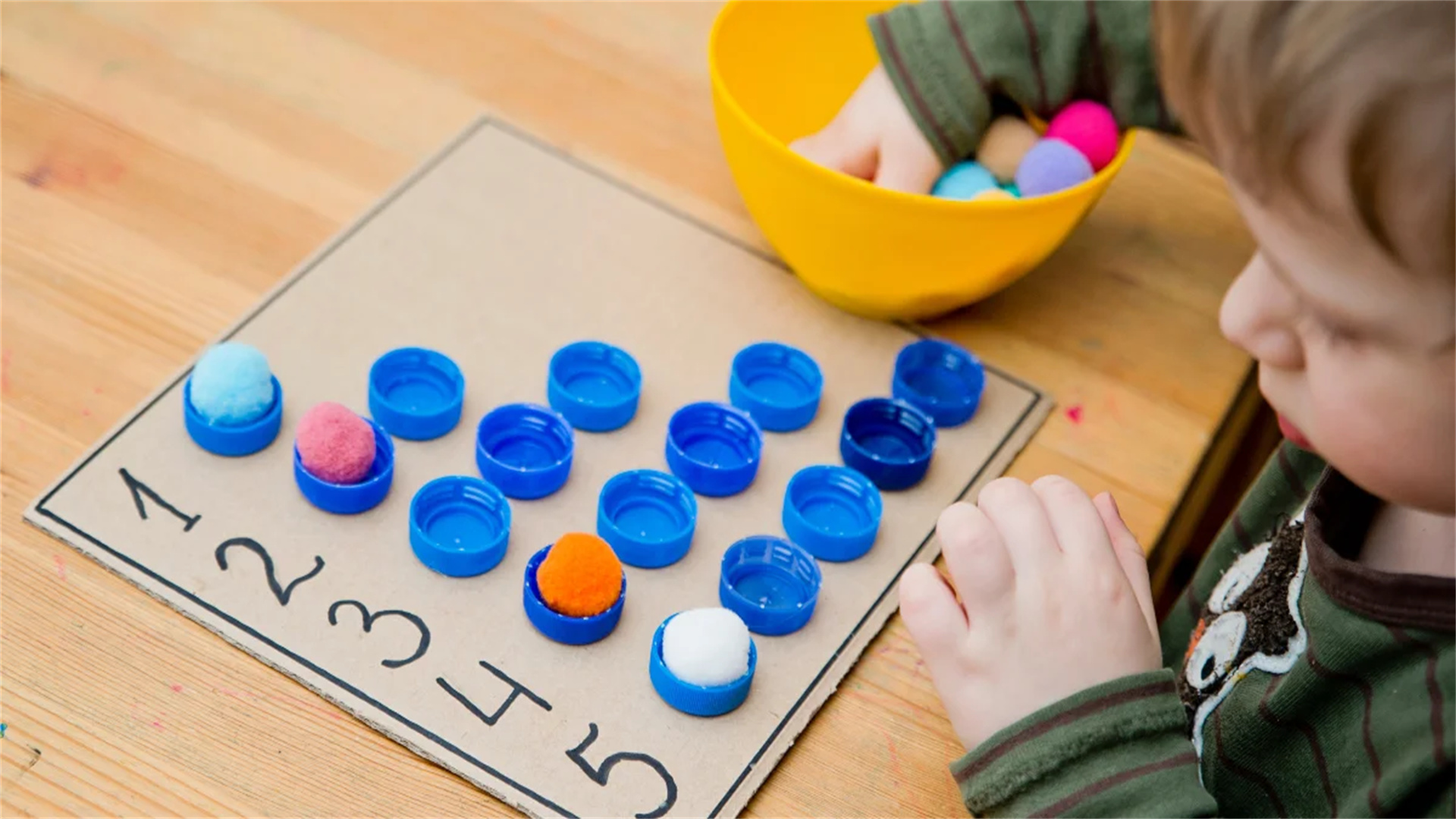
5 Core Stages and 20 Daily Games for Early Math Education at Home
In the journey of early childhood development, mathematical thinking is far more than just learning numbers. It's about understanding patterns, solving problems, and making sense of the world. For parents and caregivers, fostering a love for math at home doesn't require fancy tools or a degree in education. It's about integrating playful, intentional, and developmentally appropriate activities into daily life. This guide breaks down early math learning into five foundational stages, providing a roadmap for your child's mathematical journey. For each stage, we offer four simple, engaging games that use common household items. By moving through these stages—from sensory exploration to early problem-solving—you can build a strong, positive, and holistic mathematical foundation, turning everyday moments into powerful learning opportunities.

10 Traits for Identifying Highly Sensitive Children and Personalized Parenting Guidelines
Highly Sensitive Children (HSCs) are not simply "shy" or "difficult." They are born with a nervous system that is more deeply attuned to and processes sensory, emotional, and social information more thoroughly than others. This innate trait, present in roughly 15-20% of the population, is known as Sensory Processing Sensitivity (SPS). For these children, the world can feel louder, brighter, faster, and more emotionally intense. Understanding this biological basis is the first, crucial step away from mislabeling and towards supportive, personalized parenting. Recognizing an HSC is not about diagnosing a problem but about appreciating a unique neurotype—one that comes with significant strengths like deep empathy, creativity, and conscientiousness, alongside specific challenges. This article will outline ten key traits to help you identify if your child is highly sensitive and provide actionable, personalized parenting strategies to help them not just cope, but thrive.
We focus on sharing high-quality original content covering diverse fields such as technology & digital, life essays, and practical useful tips. We polish every article with care to bring you a warm and in-depth reading experience. Explore more interesting new knowledge only at FunLab666.