
7 Scientific Steps to Soothe a Child's Temper Tantrums
For parents and caregivers, few moments are as challenging and emotionally draining as a child's full-blown temper tantrum. The screaming, crying, kicking, and apparent loss of control can trigger frustration, helplessness, and even embarrassment, especially in public. It's a universal parenting experience that often feels deeply personal and bewildering. However, modern developmental psychology and neuroscience offer a new lens through which to view these emotional storms. Rather than seeing tantrums as mere acts of defiance or manipulation, science reveals them as a developmentally normal, albeit intense, expression of a child's immature brain struggling to process overwhelming emotions, unmet needs, or communication barriers.
This scientific understanding is empowering. It shifts the goal from "stopping the tantrum at all costs" or "winning the power struggle" to "co-regulating the child's nervous system and teaching emotional skills." By responding with evidence-based strategies, we can not only navigate the immediate crisis more effectively but also use these difficult moments as crucial opportunities for teaching emotional intelligence, self-regulation, and secure attachment. The following seven steps provide a structured, compassionate, and scientifically-informed framework for turning tantrums from traumatic showdowns into teachable moments for connection and growth.

1. 🔬 Decode the Science: Why Tantrums Happen
Before reacting, it's crucial to understand what's happening inside your child's brain and body. This knowledge fosters empathy and informs your strategy.
The Brain Under Construction: Amygdala vs. Prefrontal Cortex
A tantrum is essentially a neurological hijacking. The amygdala, the brain's primal alarm center for threat and emotion, goes into overdrive, flooding the body with stress hormones like cortisol and adrenaline. Meanwhile, the prefrontal cortex—the "executive center" responsible for rational thought, impulse control, and emotional regulation—is underdeveloped in young children and effectively goes offline during high stress. The child isn't "choosing" to misbehave; they are physiologically incapable of calming themselves down in that moment. They need an external regulator—you—to help their prefrontal cortex come back online.
Identifying the Triggers: HALT (Hungry, Angry, Lonely, Tired) Plus
Tantrums are often the final expression of an unmet need or a skill deficit. Common scientific triggers include:
• Biological Needs: Hunger, fatigue, overstimulation, or physical discomfort.
• Emotional & Social Needs: Frustration from a lack of control, inability to communicate wants/needs (language barrier), jealousy, or a need for connection/attention.
• Cognitive Challenges: Difficulty with transitions, unrealistic expectations, or challenges with executive function skills like flexibility and problem-solving.
Keeping a mental or physical log of tantrum patterns can help identify your child's specific triggers, allowing for proactive prevention.

2. 🧘♀️Master Your Own Regulation First
Your child's nervous system is wired to sync with yours. If you escalate, they escalate. Your calm is the anchor.
The Mirror Neuron Effect and Co-Regulation
Humans possess mirror neurons that cause us to subconsciously mimic and internalize the emotional states of those around us. When you respond to a tantrum with your own anger or anxiety, your child's brain mirrors that heightened state, making de-escalation nearly impossible. The primary scientific goal is "co-regulation": you use your own calm, mature nervous system to help regulate your child's dysregulated one. Take a deep breath (activating your parasympathetic "rest-and-digest" system), lower your voice, and consciously adopt a calm posture. Your physiological state is your most powerful tool.
Script Your Response
Plan a simple, repeatable mantra for yourself to short-circuit your own stress response. Phrases like, "This is not an emergency. Their brain is flooded. My job is to be the calm," can engage your rational prefrontal cortex and prevent a reactive, unhelpful response. Remember, you are managing the situation, not the child's emotions for them.

3.⚡Ensure Safety & Minimize Stimulation
When the amygdala is in charge, the body is in a fight-flight-freeze state. The environment must be made safe and simple.
Create a "Safe Zone"
If the child is thrashing or throwing things, gently move them or dangerous objects to prevent injury. The primary objective here is physical safety. This isn't a punitive "time-out"; it's a protective "safe space." For some children, this might mean holding them in a firm, non-restrictive hug to prevent them from hurting themselves or others (if this is calming for them, not restrictive). For others, it means clearing the immediate area.
Reduce Sensory Input
A screaming child in a bright, noisy store is experiencing sensory overload. The science of sensory processing tells us that reducing input can help lower neurological arousal. If possible, move to a quieter, dimmer place—a bathroom, the car, or a quiet corner. This act minimizes the sensory fuel feeding the tantrum and helps the brain begin to down-regulate.

4. 🤐 Practice Minimal Verbal Engagement
During the peak of a tantrum, the language-processing centers of the brain are impaired. Lengthy reasoning or questioning is ineffective and adds cognitive noise.
Use Simple, Validating Phrases
Instead of logic, use brief, empathetic statements that acknowledge the emotion without giving in to an unreasonable demand. This technique, called "emotion coaching," validates the child's internal experience, which can reduce the intensity of the emotion. Examples in a calm, low tone:
• "You are so mad right now."
• "You wanted that cookie, and I said no. That's really disappointing."
• "It's okay to feel sad."
Avoid "Why are you crying?" or "Stop it right now!" which invalidate and escalate.
The Power of Silence and Presence
Often, the most powerful response is quiet, calm presence. Simply sitting nearby, breathing slowly, and being available communicates safety and connection without the pressure of language. Your non-verbal communication—a soft face, open posture—says, "I am here. You are safe. This feeling will pass."

5. 🧠 Teach & Model Calming Techniques
Once the intense peak subsides (the "limp" phase of a tantrum), the brain becomes receptive to learning. This is the golden moment for teaching regulation skills.
Introduce "Brain-Building" Tools
Proactively teach simple, sensory-based calming strategies when everyone is calm. Practice them together so they become familiar tools:
• Breathing Exercises: "Smell the flower (inhale), blow out the candle (exhale)." Deep breathing activates the parasympathetic nervous system.
• Proprioceptive Input: Offer a tight hug, a weighted blanket, or let them push against a wall. This deep pressure can be grounding.
• Distraction/Redirection: For younger children, shifting focus can help the brain disengage from the distressing loop. "Look at this bubble!" or "Feel how soft this blanket is."
Name It to Tame It
As pioneered by Dr. Dan Siegel, labeling an emotion helps integrate the emotional (limbic) and logical (prefrontal) parts of the brain. In the post-tantrum calm, help your child narrate what happened: "Wow, you felt really frustrated when the tower fell down. That big feeling made you want to yell." This builds emotional literacy and neural pathways for future self-awareness.

6.⏳Reconnect After the Storm
Never withhold love or connection after a tantrum. The rupture must be followed by repair to maintain secure attachment.
The Importance of "Rupture and Repair"
Attachment science emphasizes that conflicts (ruptures) are inevitable, but what secures the bond is the consistent, loving repair afterwards. Once fully calm, offer physical comfort—a hug, a cuddle. This releases oxytocin (the bonding hormone) in both of you, counteracting the stress hormones. Say, "I love you no matter what. Even when you have big feelings, I am here for you." This teaches that emotions are acceptable and the relationship is unbreakable.
Brief, Positive Problem-Solving
For older toddlers/preschoolers, engage in very short, collaborative problem-solving. "Next time you feel that big frustration, what could we do instead of yelling? Could we stomp our feet? Squeeze a pillow?" This empowers the child and prepares them for next time, focusing on future solutions rather than past shame.

7. 📈 Focus on Proactive Prevention
The most scientific approach to tantrums is to build a child's resilience and skills to prevent them from reaching the tipping point as often.
Predictable Routines and Clear Expectations
Children's brains thrive on predictability, which reduces anxiety. Consistent routines for meals, naps, and transitions provide a scaffold of safety. Use visual schedules or timers ("When the sand runs down, it's time to leave the park") to make abstract concepts concrete and offer a sense of control.
Offer Controlled Choices and "Connection Buffers"
Feed the need for autonomy in healthy ways by offering limited, acceptable choices ("Red shirt or blue shirt?"). Prioritize daily one-on-one, playful connection time—even 10 minutes of undivided attention—as a "preventive dose" that fills their emotional tank and reduces attention-seeking tantrums.

🔄 Conclusion: The Long-Term Goal is Growth, Not Just Compliance
Navigating temper tantrums with these seven scientific steps is not about finding a magic trick to force immediate silence. It is a profound investment in your child's long-term emotional and neurological development. Each time you respond with calm, validation, and coaching, you are doing the neural heavy-lifting for your child's still-developing brain. You are literally helping to build and strengthen the wiring between their amygdala and prefrontal cortex, fostering the neural pathways that will one day allow them to self-soothe, empathize with others, and navigate life's disappointments with resilience.
This approach transforms the tantrum from a distressing behavioral problem into a critical window for teaching life skills. It builds a relationship based on trust and connection rather than fear and power struggles. Embrace the science, be patient with the process, and remember that your consistent, loving response is the most powerful tool your child has for learning to navigate their own emotional world. The storms will become less frequent and less intense, not because you suppressed them, but because you helped your child learn to weather them.
You May Have Missed
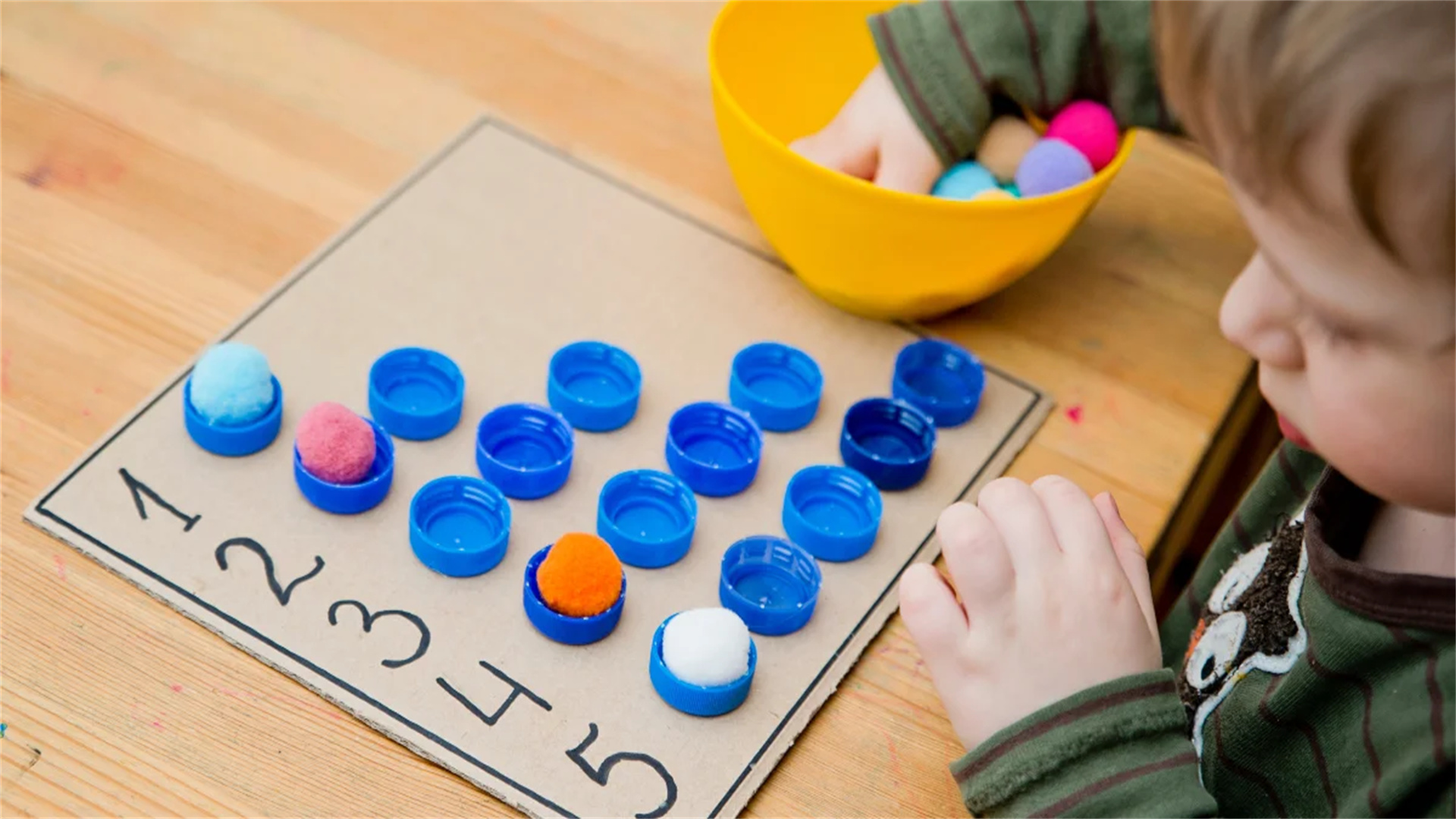
5 Core Stages and 20 Daily Games for Early Math Education at Home
In the journey of early childhood development, mathematical thinking is far more than just learning numbers. It's about understanding patterns, solving problems, and making sense of the world. For parents and caregivers, fostering a love for math at home doesn't require fancy tools or a degree in education. It's about integrating playful, intentional, and developmentally appropriate activities into daily life. This guide breaks down early math learning into five foundational stages, providing a roadmap for your child's mathematical journey. For each stage, we offer four simple, engaging games that use common household items. By moving through these stages—from sensory exploration to early problem-solving—you can build a strong, positive, and holistic mathematical foundation, turning everyday moments into powerful learning opportunities.

Up-to-Date Children's Safety Lessons
In an era defined by rapid technological advancement and evolving social dynamics, the concept of child safety has expanded far beyond "stranger danger" and looking both ways before crossing the street. Today's children navigate a complex digital landscape, face nuanced social pressures, and require a more sophisticated understanding of personal boundaries and consent. Up-to-date safety lessons are not about instilling fear, but about empowering children with the knowledge, skills, and confidence to recognize risks, make smart choices, and seek help when needed. This comprehensive guide outlines essential, modern safety education that addresses the realities of the 21st-century child, moving from the playground to the smartphone with practical, age-appropriate strategies for parents, caregivers, and educators.
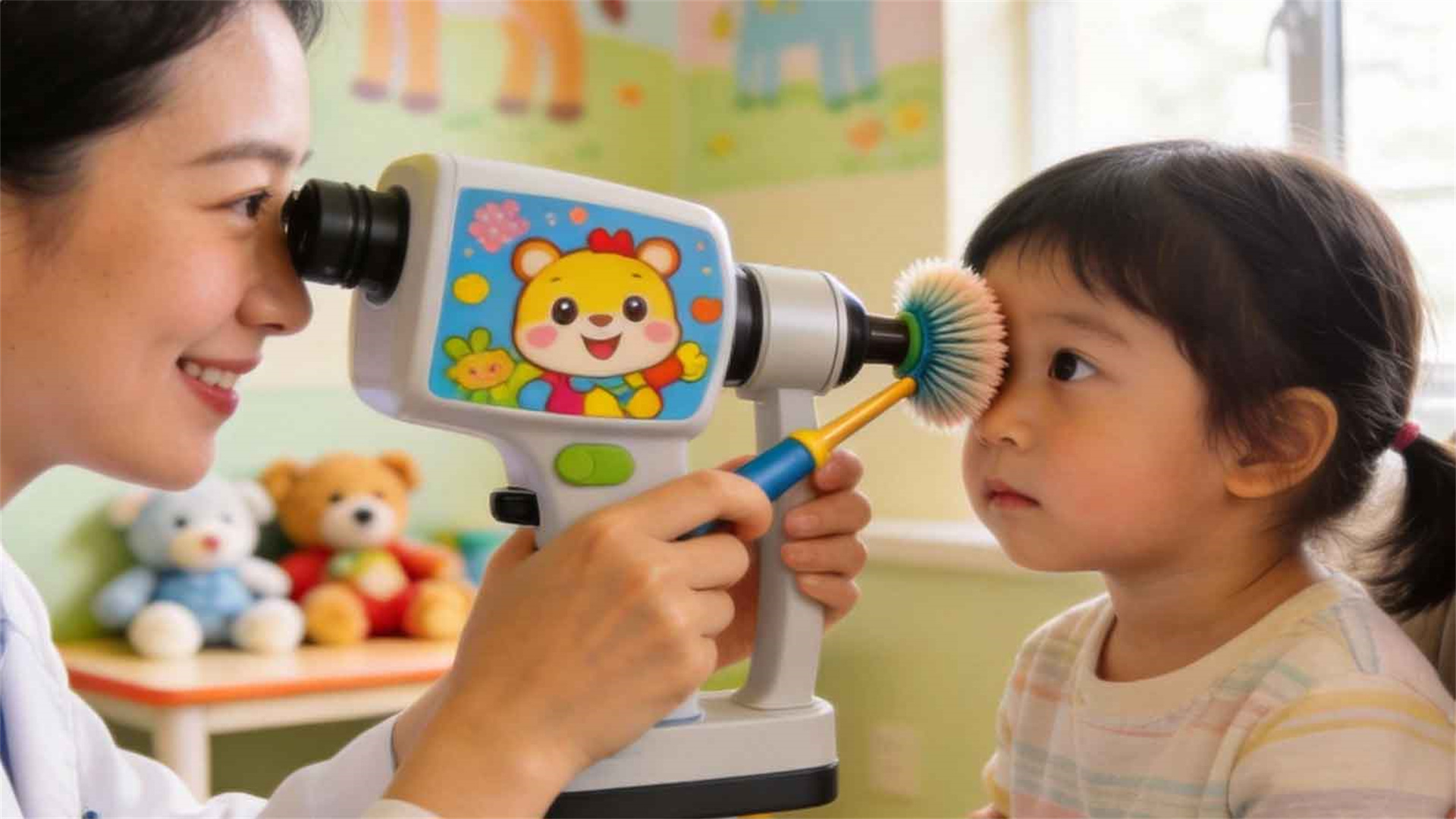
6 Key Habits for Vision Protection in Children Aged 0-6
Vision development in children aged 0-6 is a critical period that lays the foundation for lifelong eye health and visual acuity. During these formative years, the eyes and brain are rapidly developing, making it essential to establish protective habits early to prevent common issues like myopia, amblyopia (lazy eye), and other vision disorders. According to research from organizations like the American Academy of Ophthalmology, early intervention can significantly reduce the risk of permanent vision impairment. This article outlines six key habits that parents and caregivers can adopt to safeguard their children's vision. By integrating these practices into daily routines, we can promote healthy eyesight, support learning and development, and ensure children thrive in their visual world. The following sections delve into each habit, providing actionable insights backed by expert recommendations from international sources.
We focus on sharing high-quality original content covering diverse fields such as technology & digital, life essays, and practical useful tips. We polish every article with care to bring you a warm and in-depth reading experience. Explore more interesting new knowledge only at FunLab666.