
Pediatrician-Recommended 3-Dimensional Promotion Plan of "Nutrition + Sleep + Exercise" and Key Indicator Monitoring
In the journey of child development, parents and caregivers are often presented with a wealth of information, sometimes contradictory, on how best to support their child's growth. Navigating this landscape can be daunting. Pediatricians worldwide emphasize that optimal growth isn't about focusing on a single facet but rather about nurturing a harmonious ecosystem within the child. This holistic approach crystallizes into three foundational pillars: Nutrition, Sleep, and Exercise. These elements are deeply interconnected; each one influences and strengthens the others, creating a synergistic effect on a child's physical health, cognitive function, emotional regulation, and social skills. A deficit in one area can undermine the benefits of the other two. Therefore, a coordinated, three-dimensional promotion plan is not just beneficial—it's essential. This article outlines a pediatrician-recommended framework for integrating these pillars into daily life, complemented by a practical guide on monitoring key indicators to ensure your child is thriving on their unique path.

1. 🍎 The Cornerstone of Growth: Building a Foundation with Optimal Nutrition
Nutrition provides the essential building blocks for every cell, organ, and system in a growing child's body. It fuels brain development, powers physical activity, and supports the immune system. A strategic approach to nutrition goes beyond simply "eating healthy" to ensuring the right balance, timing, and quality of foods.
1.1. Balanced Macronutrient Intake for Energy and Development
Children require a careful balance of carbohydrates, proteins, and fats. Complex carbohydrates from whole grains, fruits, and vegetables provide sustained energy for play and learning. Lean proteins (from beans, lentils, poultry, fish, eggs) are crucial for muscle development and tissue repair. Healthy fats, particularly omega-3 fatty acids found in fish, avocados, and nuts, are vital for brain and nervous system development. Avoiding overly processed foods high in simple sugars and unhealthy trans fats is a key pediatric recommendation.
1.2. Micronutrients: The Vital Vitamins and Minerals
Iron is critical for carrying oxygen in the blood and supporting cognitive development; sources include lean meats, fortified cereals, and spinach. Calcium and Vitamin D work in tandem for building strong bones and teeth, found in dairy products, fortified plant-based milks, and sunlight exposure. Zinc supports immunity and growth, present in meat, shellfish, and legumes. A colorful plate, rich in a variety of fruits and vegetables, is the best natural source of most essential vitamins and antioxidants.
1.3. Age-Specific Nutritional Guidelines & Overcoming Picky Eating
Nutritional needs evolve rapidly. Infants rely on breast milk or formula, with iron-fortified cereals and pureed foods introduced around 6 months. Toddlers need small, frequent, nutrient-dense meals and snacks. School-aged children benefit from structured meal and snack times to maintain energy levels. For picky eaters, persistence is key. Offer new foods multiple times without pressure, involve children in meal preparation, and model healthy eating behaviors. Avoid using food as a reward or punishment.
1.4. Hydration: The Often-Forgotten Nutrient
Water is essential for nearly every bodily function, including digestion, temperature regulation, and joint lubrication. Children are more susceptible to dehydration. Encourage regular water intake throughout the day, especially before, during, and after physical activity. Limit sugary drinks like soda and juice, which can contribute to excess calorie intake and dental problems.

2. 😴 The Power of Restoration: Mastering Healthy Sleep Hygiene
Sleep is when the body's most intense growth and repair occurs. Growth hormone is primarily secreted during deep sleep. Furthermore, sleep is critical for memory consolidation, learning, emotional processing, and immune function. Chronic sleep deprivation in children is linked to attention problems, behavioral issues, obesity, and poor academic performance.
2.1. Understanding Sleep Needs by Age
Sleep requirements decrease gradually but remain substantial throughout childhood. Newborns may sleep 14-17 hours, toddlers need 11-14 hours, preschoolers 10-13 hours, school-aged children 9-12 hours, and teenagers 8-10 hours. These are 24-hour totals, including naps for younger children. Consistency in total sleep time is as important as the nightly duration.
2.2. Crafting a Consistent and Calming Bedtime Routine
A predictable wind-down sequence signals to the brain that it's time to sleep. This routine, lasting 20-45 minutes, should occur in the child's bedroom and include calming activities like a warm bath, reading a book, or gentle stretching. It should exclude stimulating elements like rough play, scary stories, or screen time. The routine should start at the same time every night, even on weekends, to regulate the child's internal clock (circadian rhythm).
2.3. Optimizing the Sleep Environment
The bedroom should be a sanctuary for sleep: cool, dark, and quiet. Consider using blackout curtains and a white noise machine to block disruptive light and sound. The mattress and pillows should be comfortable and supportive. Remove electronic devices (TVs, tablets, phones) from the bedroom, as the blue light they emit suppresses melatonin, the sleep-inducing hormone.
2.4. Addressing Common Sleep Challenges
Night wakings, bedtime resistance, and early rising are common. For night wakings, encourage self-soothing by giving the child a moment to settle before intervening. For bedtime resistance, ensure the routine is pleasant and firm on the lights-out time. For early risers, check if the room is too bright in the morning and ensure bedtime isn't too early. Persistent sleep problems should be discussed with a pediatrician to rule out issues like sleep apnea.

3. 🏃 The Engine of Vitality: Integrating Regular Physical Activity
Exercise strengthens the heart, lungs, and muscles, builds strong bones, and helps maintain a healthy weight. Beyond the physical benefits, it boosts mood, reduces anxiety and depression, enhances focus and academic performance, and teaches valuable social skills like teamwork and perseverance.
3.1. Recommended Types and Durations of Activity
The World Health Organization and various pediatric bodies recommend at least 60 minutes of moderate-to-vigorous physical activity daily for children and adolescents. This should include: aerobic activities (running, swimming, cycling, brisk walking) most days; muscle-strengthening activities (climbing, gymnastics, body-weight exercises) at least 3 days a week; and bone-strengthening activities (jumping, running, sports like basketball) at least 3 days a week.
3.2. Making Exercise Fun and Developmentally Appropriate
For young children, activity is naturally integrated into play. Encourage unstructured play at parks, playgrounds, and in safe open spaces. For older children, explore organized sports, dance classes, martial arts, or family activities like hiking or biking. The focus should be on enjoyment and skill development rather than competition or intense training, which is more appropriate for older adolescents.
3.3. The Critical Role of Reducing Sedentary Time
Limiting sedentary behavior, especially recreational screen time, is crucial. The American Academy of Pediatrics recommends no screen time for children under 18-24 months (except video chatting) and limiting it to one hour per day of high-quality programming for preschoolers. For school-aged children, consistent limits are needed to ensure screen time doesn't displace physical activity, sleep, or other essential behaviors.
3.4. Modeling an Active Lifestyle as a Family
Children are more likely to be active if they see their parents and caregivers enjoying physical activity. Plan regular family outings that involve movement—walks after dinner, weekend bike rides, or playing active games together. Reduce passive family time centered around screens.

4. 📊 The Navigator's Map: Monitoring Key Indicators of Healthy Development
Implementing the three-dimensional plan is the first step; monitoring progress is the second. Regular check-ups with a pediatrician are non-negotiable. They provide an objective assessment of how the three pillars are converging to support your child's growth. Parents should also be empowered to observe key indicators at home.
4.1. Tracking Physical Growth: Growth Charts
Pediatricians plot a child's height, weight, and head circumference (for infants) on standardized growth charts at every well-visit. These charts show the child's growth trajectory over time compared to peers. Consistency along a percentile curve is often more important than the specific percentile. Significant deviations or plateaus may signal a need to reassess nutritional intake or investigate underlying health issues.
4.2. Observing Developmental Milestones
Milestones are skills most children can do by a certain age, in areas like gross motor (rolling, sitting, walking), fine motor (grasping, scribbling), language (babbling, words, sentences), and social-emotional (smiling, playing pretend). The CDC's "Learn the Signs. Act Early." program provides excellent checklists. While children develop at their own pace, consistently missing multiple milestones warrants a discussion with your pediatrician.
4.3. Assessing Energy, Mood, and Behavior
A well-nourished, well-rested, and active child typically displays a predictable pattern: they have age-appropriate energy for play and learning, recover reasonably quickly from upsets, display curiosity, and generally exhibit a stable, positive mood. Persistent fatigue, irritability, hyperactivity, or lack of interest in play can be red flags that one or more pillars (often sleep or nutrition) need adjustment.
4.4. The Importance of Regular Well-Child Visits and Vaccinations
These scheduled visits are proactive, not just for when a child is sick. They allow for routine monitoring, anticipatory guidance on upcoming developmental stages, and ensuring vaccinations are up-to-date. Vaccinations are a critical component of preventative health, protecting children from serious infectious diseases that can derail growth and development.

5. 🔄 Synergy in Action: Weaving the Pillars into Daily Life and Knowing When to Seek Help
The ultimate goal is to create a lifestyle where nutritious eating, restful sleep, and joyful movement are seamlessly integrated and mutually reinforcing. Good nutrition provides the energy for exercise, and exercise promotes healthier sleep, while quality sleep improves appetite regulation and physical performance.
5.1. Creating a Balanced Daily Schedule
Structure supports all three pillars. Design a daily rhythm that allocates time for three main meals and two healthy snacks, a consistent bedtime and wake-up time, and blocks for both free play and structured physical activity. This predictability reduces stress for both children and parents.
5.2. The Role of Parental Well-being and Consistency
Parents cannot pour from an empty cup. Managing your own stress, getting adequate rest, and nourishing your body allows you to be a calm, consistent leader in implementing this plan. Consistency in routines and expectations is comforting to children and makes healthy habits stick.
5.3. When to Consult Your Pediatrician
While this plan provides a strong framework, every child is unique. Seek professional advice if you have concerns about: persistent feeding or growth issues; ongoing, severe sleep disturbances that don't improve with good sleep hygiene; a child who strongly resists any form of physical activity or complains of pain with exercise; or if you notice significant regressions in development or concerning changes in behavior or mood.
5.4. Celebrating Progress, Not Perfection
The aim is long-term health and resilience, not daily perfection. Some days will be better than others. Celebrate the successes—trying a new vegetable, enjoying a family soccer game, a full night of peaceful sleep. A positive, pressure-free approach fosters a child's intrinsic motivation to care for their own body and well-being.
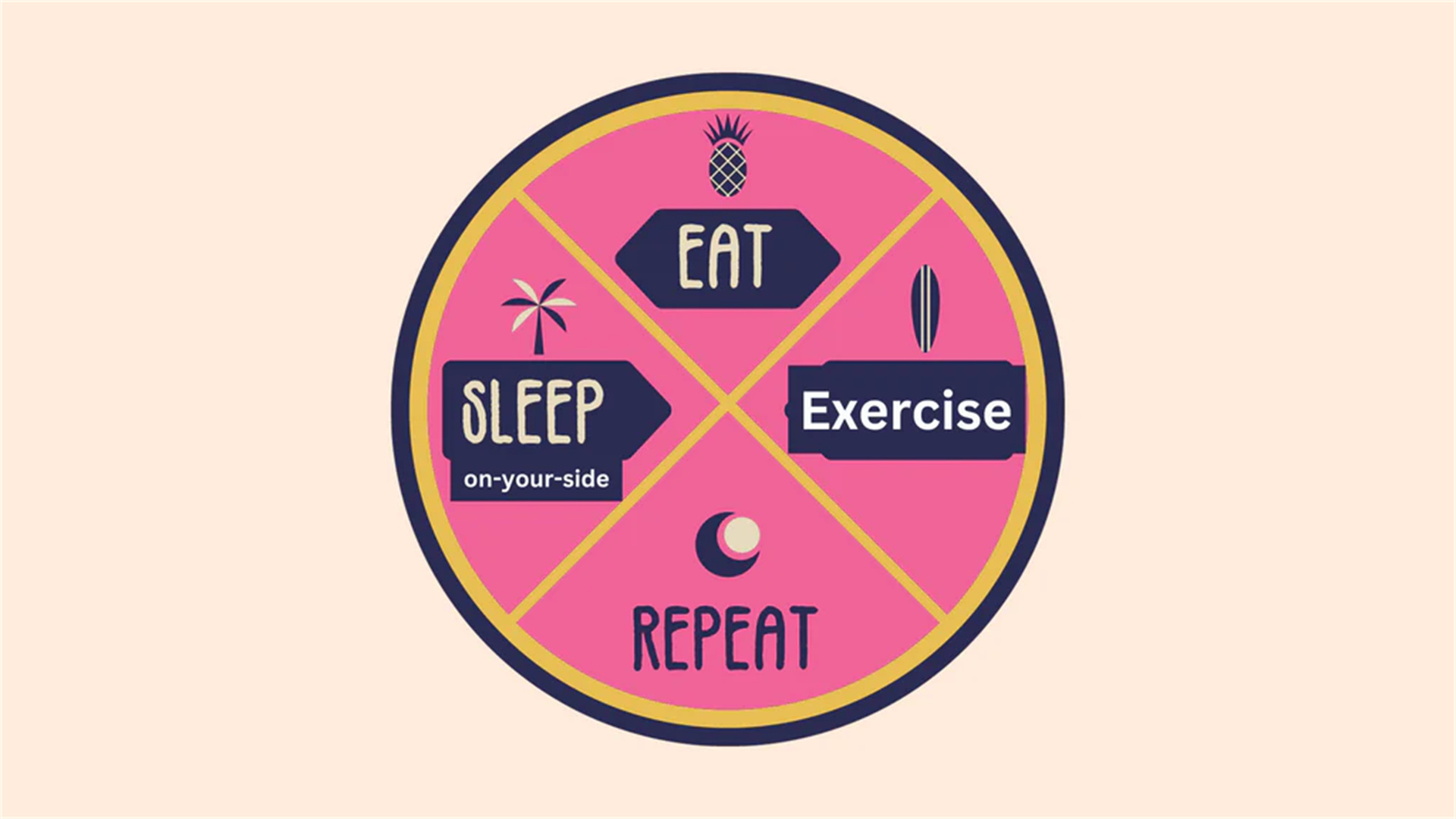
6. 🌟 Conclusion: Investing in a Lifetime of Health
The pediatrician-recommended three-dimensional plan of "Nutrition + Sleep + Exercise" is a powerful, evidence-based blueprint for fostering robust childhood development. It recognizes that true health is multidimensional. By mindfully providing balanced nourishment, protecting and prioritizing restorative sleep, and encouraging regular, enjoyable physical activity, parents lay the strongest possible foundation for their child's current and future well-being. Coupled with vigilant monitoring of key growth and developmental indicators, this holistic approach empowers parents to be proactive partners in their child's health journey. Remember, this is not about achieving an unattainable ideal but about making consistent, loving choices that together build a resilient, vibrant, and healthy child, ready to explore the world with energy, curiosity, and joy.
You May Have Missed

Weekly "Digital Fasting" and 3 Classic Methods for Training Concentration
In an era where notifications are constant and screens demand our gaze, the ability to concentrate has become a rare and valuable skill. Our attention is fragmented, pulled in a dozen directions by the digital tools designed to connect and inform us. The result is often a feeling of mental exhaustion, reduced productivity, and a nagging sense that we are no longer in control of our own focus. To reclaim this vital cognitive resource, a powerful two-pronged approach is emerging: the practice of deliberate Weekly Digital Fasting combined with time-tested Methods for Training Concentration. This isn't about rejecting technology wholesale, but about creating intentional space and strengthening the mental muscle of attention, allowing us to engage with the digital world on our own terms.
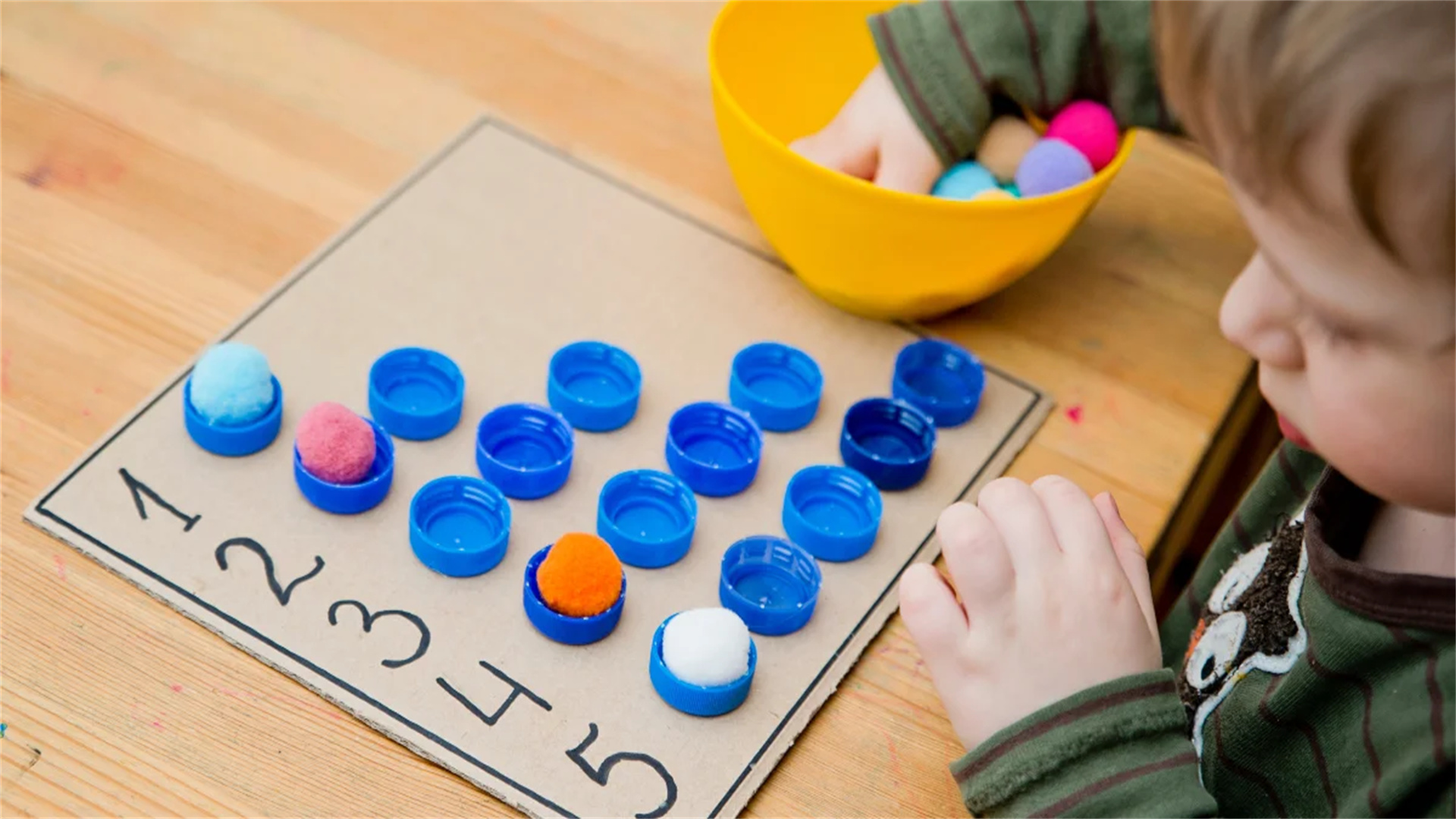
5 Core Stages and 20 Daily Games for Early Math Education at Home
In the journey of early childhood development, mathematical thinking is far more than just learning numbers. It's about understanding patterns, solving problems, and making sense of the world. For parents and caregivers, fostering a love for math at home doesn't require fancy tools or a degree in education. It's about integrating playful, intentional, and developmentally appropriate activities into daily life. This guide breaks down early math learning into five foundational stages, providing a roadmap for your child's mathematical journey. For each stage, we offer four simple, engaging games that use common household items. By moving through these stages—from sensory exploration to early problem-solving—you can build a strong, positive, and holistic mathematical foundation, turning everyday moments into powerful learning opportunities.
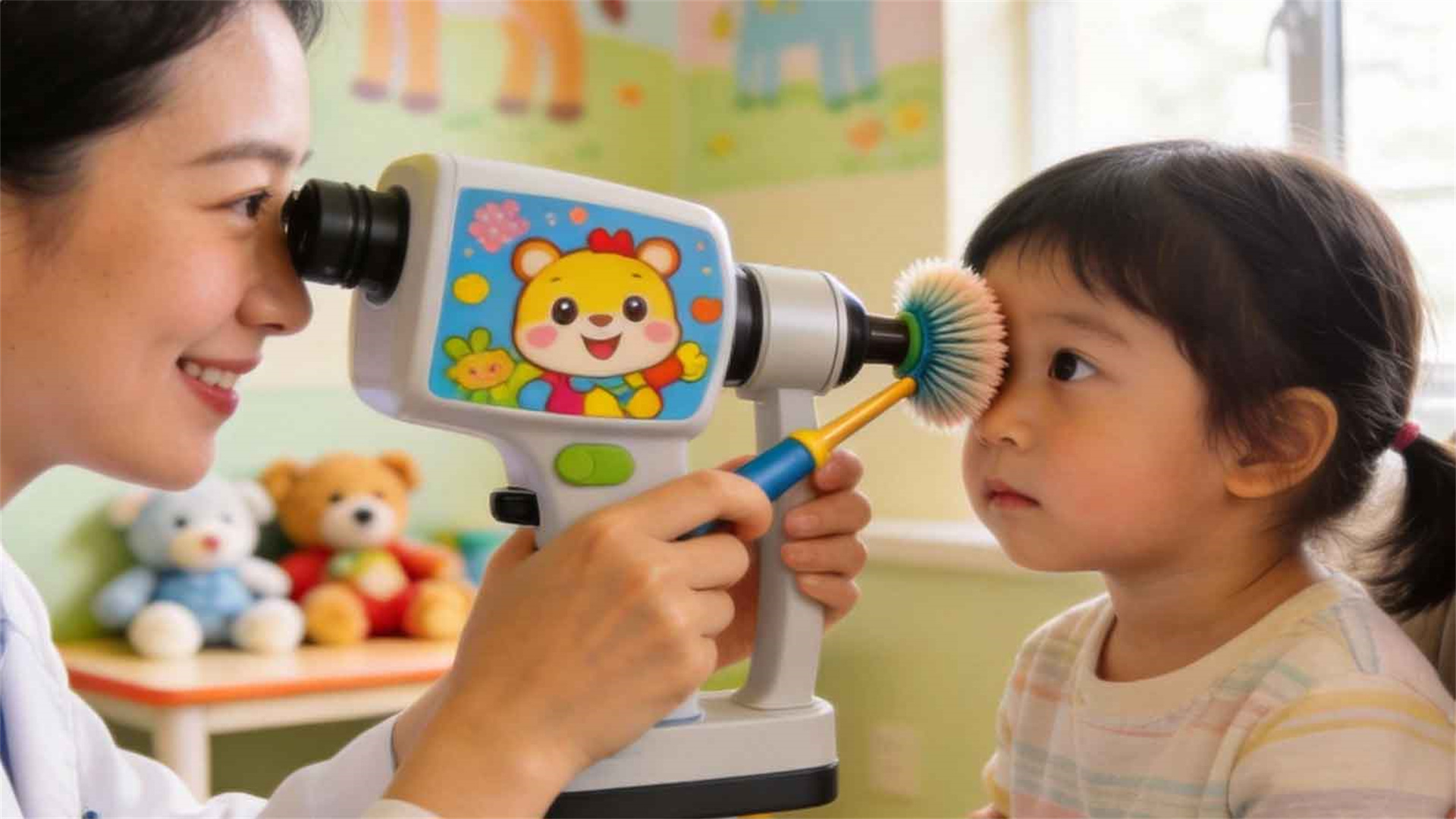
6 Key Habits for Vision Protection in Children Aged 0-6
Vision development in children aged 0-6 is a critical period that lays the foundation for lifelong eye health and visual acuity. During these formative years, the eyes and brain are rapidly developing, making it essential to establish protective habits early to prevent common issues like myopia, amblyopia (lazy eye), and other vision disorders. According to research from organizations like the American Academy of Ophthalmology, early intervention can significantly reduce the risk of permanent vision impairment. This article outlines six key habits that parents and caregivers can adopt to safeguard their children's vision. By integrating these practices into daily routines, we can promote healthy eyesight, support learning and development, and ensure children thrive in their visual world. The following sections delve into each habit, providing actionable insights backed by expert recommendations from international sources.
We focus on sharing high-quality original content covering diverse fields such as technology & digital, life essays, and practical useful tips. We polish every article with care to bring you a warm and in-depth reading experience. Explore more interesting new knowledge only at FunLab666.