
Identifying and Avoiding Five Common "Cognitive Biases" to Improve Decision-Making Intelligence
In our daily lives, from simple choices like what to have for lunch to complex professional and financial decisions, we are constantly making judgments. We like to believe these judgments are rational, logical, and objective. However, decades of research in psychology and behavioral economics reveal a different story: our minds are often hijacked by systematic patterns of deviation from norm or rationality in judgment, known as cognitive biases. These mental shortcuts, or heuristics, evolved to help us make quick decisions but frequently lead to predictable errors. By understanding and identifying these biases, we can significantly improve our decision-making intelligence, leading to better outcomes in business, relationships, and personal growth. This article will explore five pervasive cognitive biases, illustrate their impact with examples, and provide practical strategies to mitigate their influence.
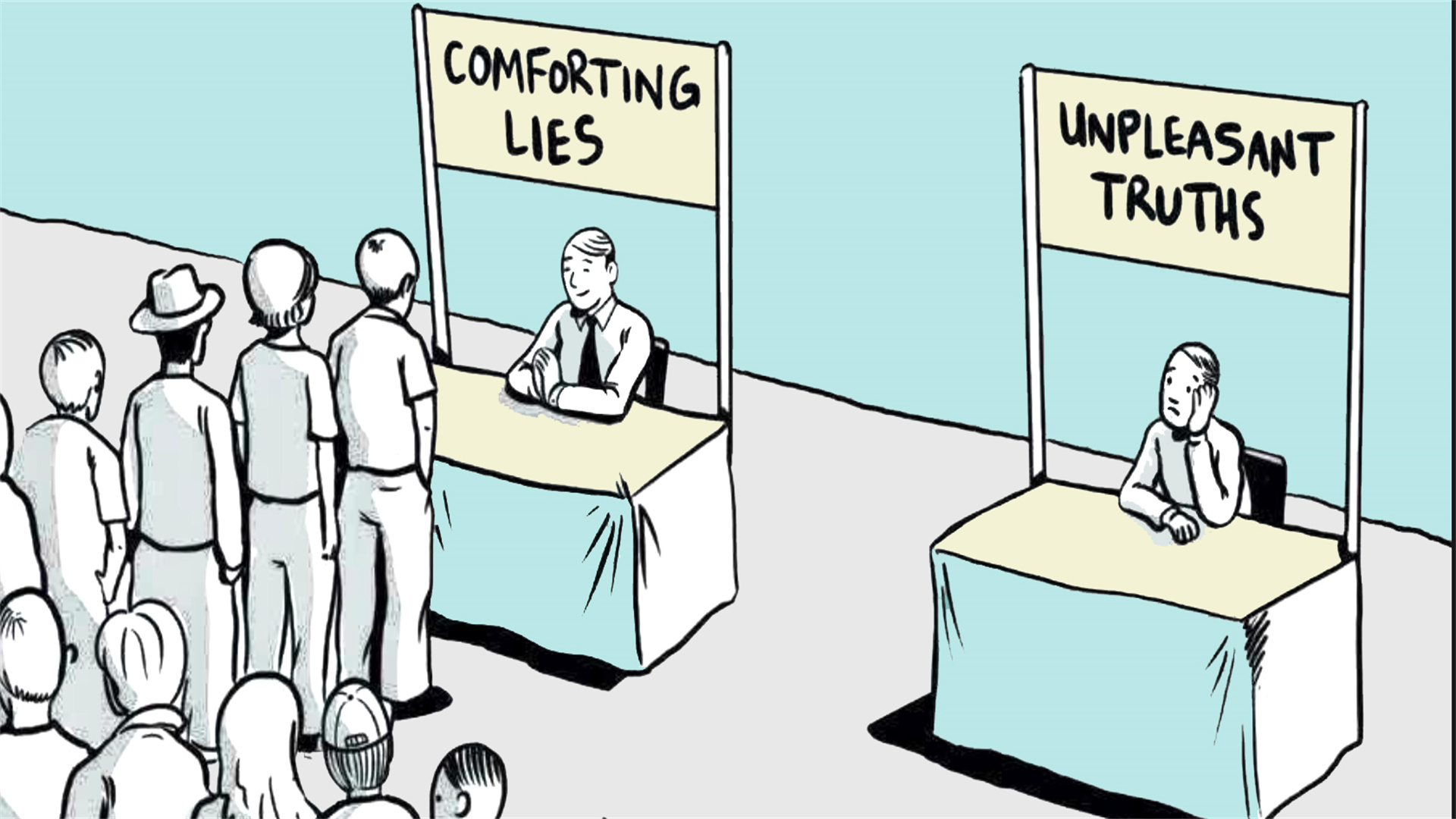
1. 🎯 Confirmation Bias: The Trap of Seeking Agreement
Confirmation bias is the tendency to search for, interpret, favor, and recall information in a way that confirms or supports one's prior beliefs or values. It causes us to give greater weight to evidence that supports our existing views and discount evidence that contradicts them.
1. How It Manifests:
Imagine you believe a certain investment is a sure success. You will likely seek out news articles, analyst reports, and opinions that praise its potential. You might unconsciously ignore warning signs or critical analyses, dismissing them as overly pessimistic or misguided. In team settings, a leader might only acknowledge data that supports their proposed strategy, creating an echo chamber.
2. The Impact on Decisions:
This bias leads to flawed analysis, overconfidence in poor strategies, and missed opportunities. It can polarize debates, hinder scientific progress, and prevent us from correcting course when we are wrong. It's a primary driver behind the persistence of misinformation.
3. Strategies to Avoid It:
Actively seek disconfirming evidence. For every decision, ask: "What information would prove my assumption wrong?" Engage with credible sources that hold opposing viewpoints. Practice "red teaming" by assigning someone the role of critic. Slow down your reasoning process and consider alternative explanations before reaching a conclusion.
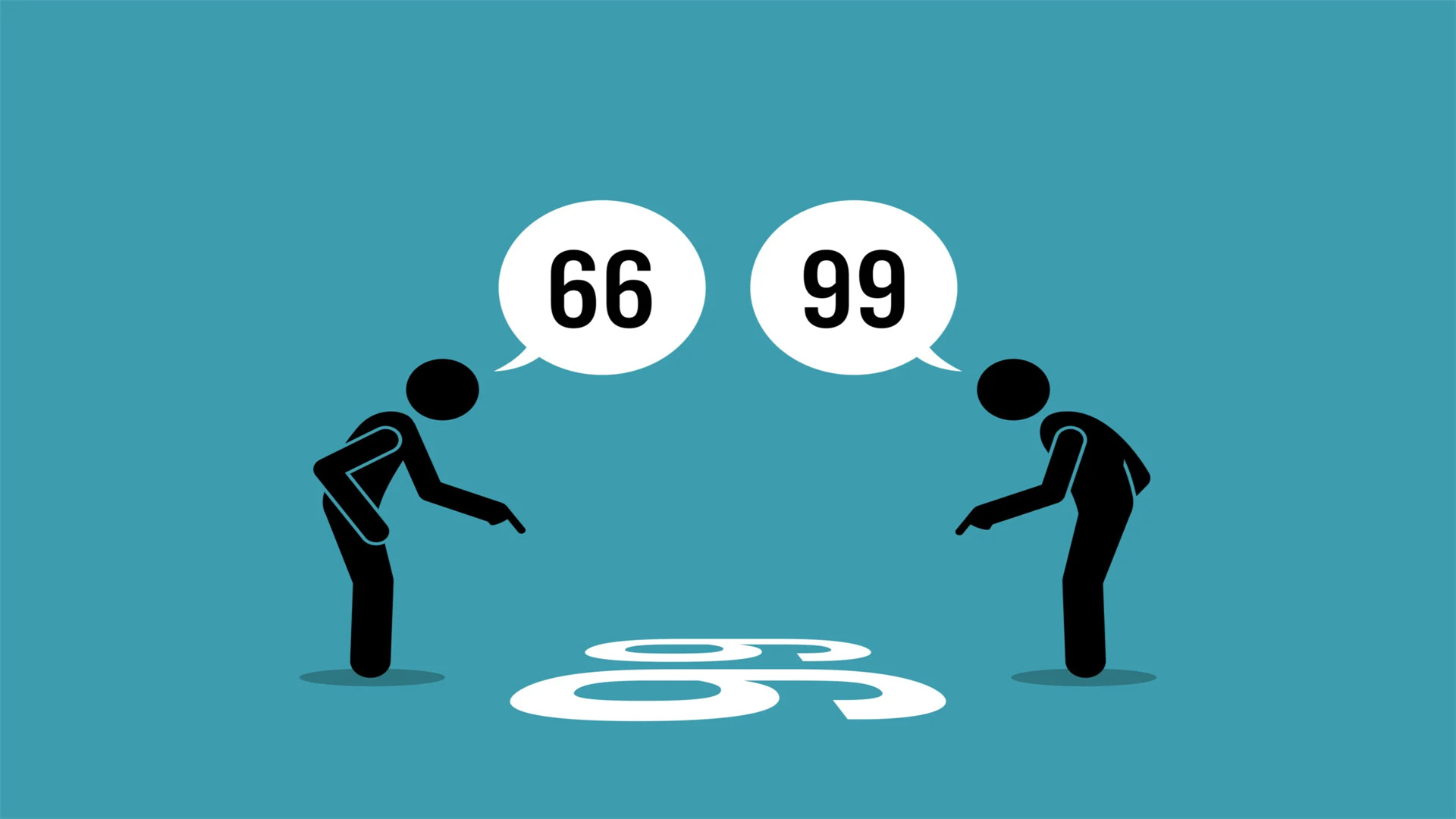
2.⚖️Anchoring Bias: The First Number's Heavy Shadow
Anchoring bias describes the common human tendency to rely too heavily on the first piece of information offered (the "anchor") when making decisions. Subsequent judgments are made by adjusting away from that anchor, but the adjustments are often insufficient.
1. How It Manifests:
This is most visible in negotiations and pricing. The initial price offered for a car or house sets an anchor. All further counteroffers revolve around that number, even if it was arbitrarily high or low. In performance reviews, an initial impression of an employee (positive or negative) can anchor all subsequent evaluations.
2. The Impact on Decisions:
Anchoring can lead to poor financial deals, inaccurate estimations, and biased evaluations. It allows the first piece of information—which may be irrelevant—to exert undue influence on the final outcome, limiting our ability to assess true value independently.
3. Strategies to Avoid It:
Be aware of the initial number presented and consciously question its relevance. Do your own independent research to establish a value range before being exposed to an anchor. In negotiations, set your own strong, justified anchor first. When estimating, consider the problem from multiple perspectives before settling on a figure.
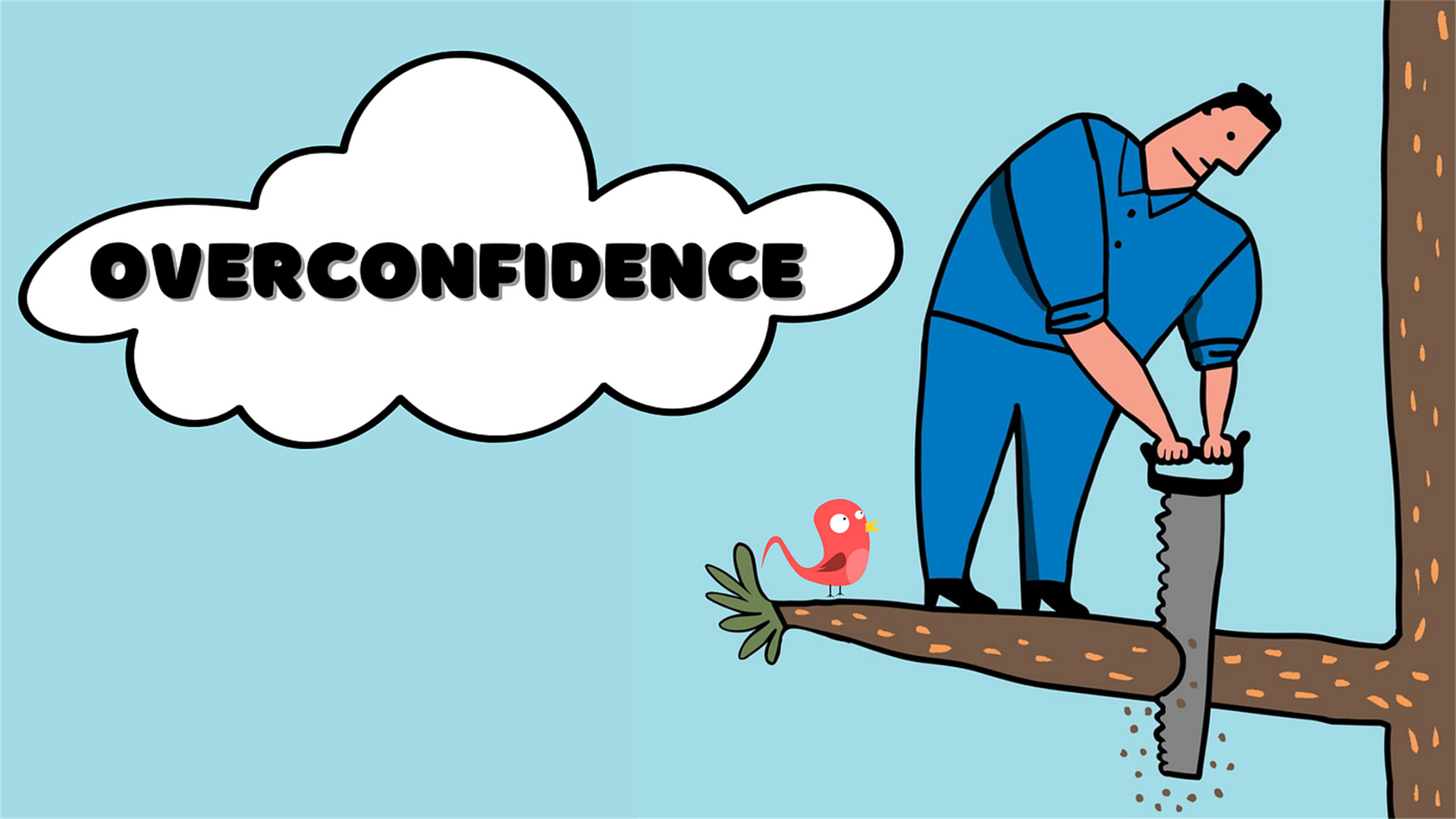
3. 😎 Overconfidence Bias: The Illusion of Certainty
Overconfidence bias is a well-established tendency for people to overestimate their own abilities, knowledge, control, and chance of success. This includes being too sure of the accuracy of one's beliefs and predictions.
1. How It Manifests:
A project manager might insist a complex software update will be completed in two months despite historical data showing similar projects take six. An investor might believe they can consistently "beat the market" through stock picking. Most people rate themselves as "above average" drivers—a statistical impossibility.
2. The Impact on Decisions:
Overconfidence leads to excessive risk-taking, inadequate preparation, and failure to seek advice or feedback. It is a common cause of project failures, financial losses, and strategic blunders in business. It blinds us to our own ignorance.
3. Strategies to Avoid It:
Embrace probabilistic thinking. Instead of "This will work," think "There's a 70% chance this will work." Regularly review past predictions to calibrate your confidence accuracy. Seek external feedback and constructive criticism. Practice "pre-mortems": imagine a project has failed spectacularly, and work backward to identify what could cause that failure.
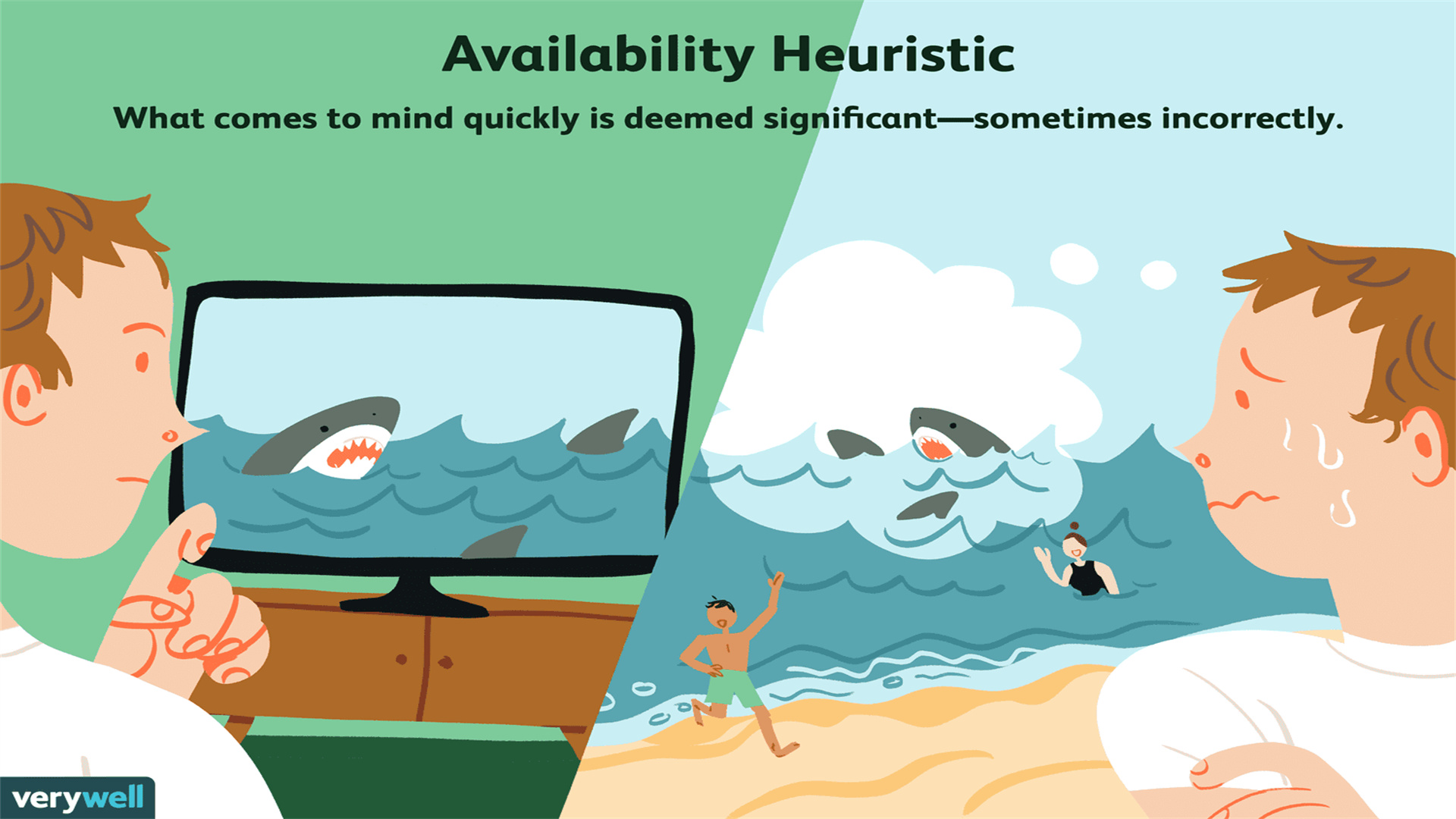
4. 🔍 Availability Heuristic: Judging by What Comes to Mind
The availability heuristic is a mental shortcut where people estimate the likelihood or importance of an event based on how easily examples come to mind. Vivid, recent, or emotionally charged memories are given more weight than they statistically deserve.
1. How It Manifests:
After seeing news reports about a plane crash, you might overestimate the danger of air travel despite its statistical safety compared to driving. A manager might judge the frequency of a type of error based on one memorable recent incident, rather than on long-term data. People fear shark attacks more than bathtub slips because the former is more sensational and memorable.
2. The Impact on Decisions:
This bias distorts risk assessment, leading to irrational fears and neglect of statistically significant but less sensational risks. It can skew resource allocation, policy-making, and personal safety choices based on what's most "available" in memory, not on reality.
3. Strategies to Avoid It:
Rely on data and statistics over anecdotes and headlines. When assessing frequency or risk, actively seek out base-rate information. Ask yourself: "Am I basing this on a few vivid stories, or on comprehensive data?" Deliberately consider less memorable but more common examples.

5.❤️Sunk Cost Fallacy: Throwing Good Resources After Bad
The sunk cost fallacy is our tendency to continue an endeavor once an investment in money, effort, or time has been made, even if the current costs outweigh the benefits. We are reluctant to "waste" the resources already spent.
1. How It Manifests:
You continue watching a boring movie because you've already paid for the ticket and spent an hour on it. A company keeps funding a failing product because they have already invested millions in its development. An individual stays in an unfulfilling career or relationship due to the years already invested.
2. The Impact on Decisions:
This fallacy leads to the escalation of commitment to failing courses of action. It traps resources (time, money, emotion) in unproductive ventures, preventing their reallocation to more promising opportunities. It is a major barrier to cutting losses and making rational changes.
3. Strategies to Avoid It:
Make decisions based on future costs and benefits only. Consciously acknowledge that past investments are "sunk" and irrecoverable. Ask: "If I were coming into this situation fresh today, with no prior investment, what would I do?" Appoint a neutral decision-maker who is not emotionally tied to the past investment.

Conclusion: Building a Bias-Aware Mind 🧠
Cognitive biases are not a sign of stupidity; they are a feature of the human brain's design. We cannot eliminate them entirely, but we can build defenses against their most damaging effects. Improving decision-making intelligence is not about achieving perfect rationality, but about cultivating awareness and implementing structured processes to counter our innate tendencies. Start by regularly auditing your own decisions for signs of these five common biases—confirmation, anchoring, overconfidence, availability, and the sunk cost fallacy. Introduce friction into your decision-making through checklists, seeking diverse perspectives, and relying on data. By doing so, you transform these unconscious mental traps from obstacles into known variables, allowing for clearer, more intelligent, and ultimately more successful decisions in all areas of life.
You May Have Missed

Deconstructing the 5 Core Abilities and 3 Key Limitations of Intelligence
Intelligence, whether biological or artificial, is a multifaceted construct that drives problem-solving, adaptation, and innovation. It is not a monolithic trait but a suite of interconnected capabilities that enable an entity to perceive its environment, process information, and act effectively towards goals. In the contemporary discourse, fueled by rapid advancements in Artificial Intelligence (AI), understanding the core components of intelligence has never been more critical. This deconstruction moves beyond abstract definitions to examine the fundamental operational abilities that constitute intelligent behavior. Simultaneously, a clear-eyed view demands an acknowledgment of the inherent and practical boundaries that constrain even the most sophisticated systems. This analysis provides a framework for understanding both the powerful potential and the sobering constraints of intelligence as we engineer and interact with it.
Does IQ Always Decline with Age?
The question of whether intelligence quotient (IQ) invariably declines with age is a topic of enduring interest and misconception in psychology and public discourse. Many people assume that cognitive peak occurs in early adulthood, followed by a steady downhill trajectory. However, contemporary research paints a more nuanced picture, suggesting that the relationship between age and IQ is complex and multifaceted. This article delves into the science behind IQ and aging, examining the different components of intelligence, key research findings, and the various factors that influence cognitive change across the lifespan. By synthesizing evidence from longitudinal studies and expert analyses, we aim to provide a clear answer to the titular question and dispel common myths.
Four Thinking Models and Two Practice Habits to Enhance Knowledge Transfer Ability
In our information-saturated world, the true mark of intelligence is no longer merely what you know, but how effectively you can use that knowledge in novel situations. This crucial skill is known as knowledge transfer—the ability to extract a principle, strategy, or insight from one context and successfully apply it to a different, often unrelated, one. It is the bridge between theoretical understanding and practical innovation, the engine behind creative problem-solving and adaptive expertise. While raw intelligence and memory play a role, knowledge transfer is fundamentally a learnable skill, honed through deliberate mental frameworks and consistent practice. This article explores four powerful thinking models that reshape how you process information, coupled with two foundational practice habits, to systematically build your capacity for seamless and powerful knowledge transfer.
We focus on sharing high-quality original content covering diverse fields such as technology & digital, life essays, and practical useful tips. We polish every article with care to bring you a warm and in-depth reading experience. Explore more interesting new knowledge only at FunLab666.