
How to Cultivate Scientific Thinking in Children in Daily Life
In a world driven by innovation and discovery, scientific thinking is no longer a skill reserved for the lab coat-clad researcher. It is a fundamental mode of inquiry, a toolkit for understanding the world that empowers children to become curious, critical, and resilient problem-solvers. Contrary to popular belief, cultivating this mindset doesn't require expensive kits or a PhD; it flourishes through intentional yet playful integration into the fabric of daily life. Scientific thinking involves observation, questioning, hypothesizing, experimenting, and analyzing—processes that can be naturally woven into meals, playtime, walks, and even chores. This guide will explore practical, accessible strategies to transform everyday moments into fertile ground for nurturing the young scientist within your child, fostering a lifelong love for learning and exploration.
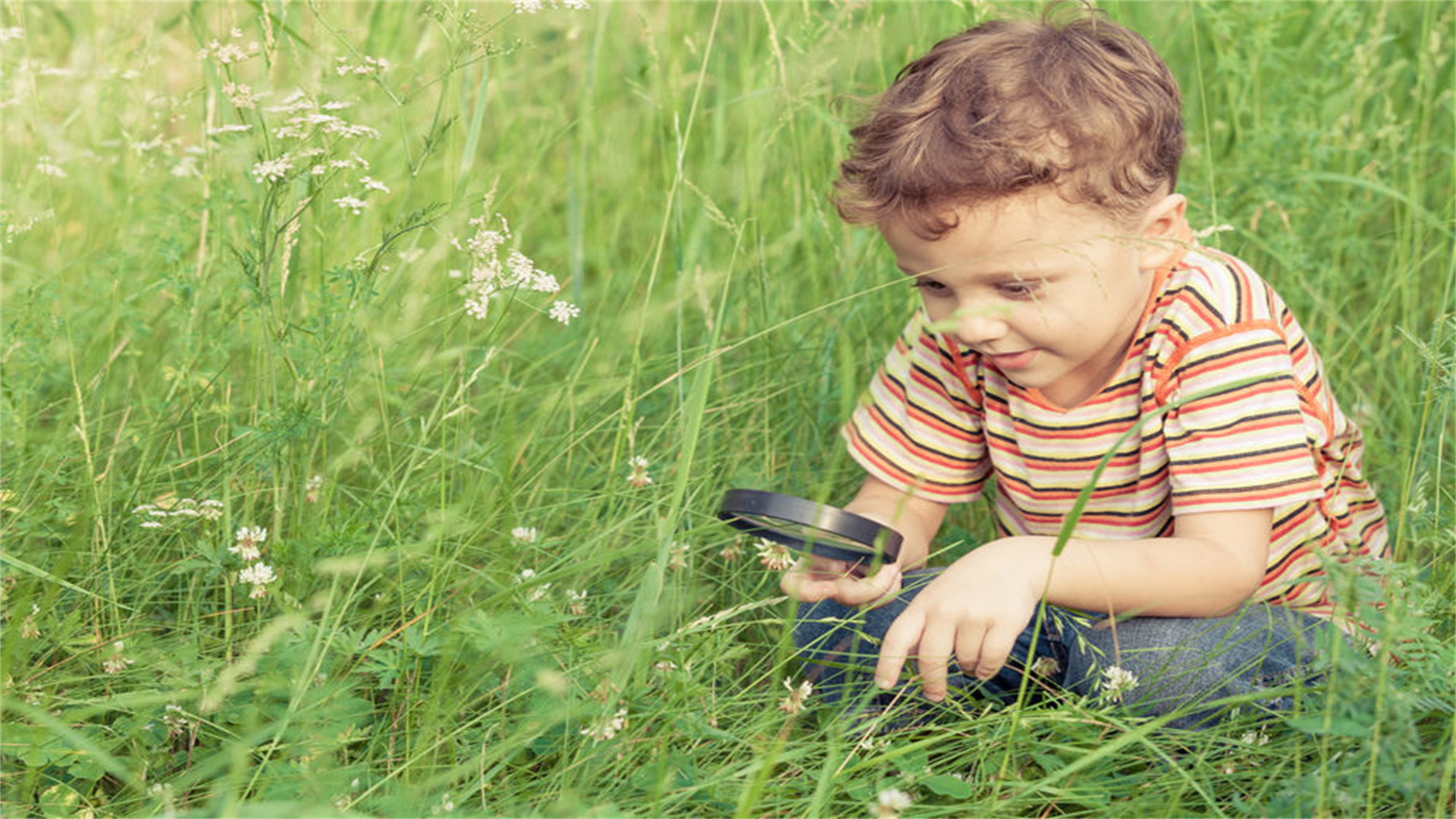
1. 🔍 Transform Everyday Moments into Observation Opportunities
The cornerstone of science is keen observation. Daily life is a perpetual source of fascinating phenomena waiting to be noticed.
1.1. Embrace the "I Notice, I Wonder" Ritual
Make a simple phrase your mantra: "What do you notice?" and "What do you wonder?" During breakfast, ask about the bubbles in the pancake batter. On the drive to school, discuss why condensation forms on the car window. While baking, observe how dough rises. This practice shifts passive seeing to active observation and naturally leads to questions, which is the seed of scientific inquiry. For example, noticing that a puddle shrinks over the day can spark wonders about where the water goes, introducing the concept of evaporation.
1.2. Create a "Wonder Journal"
Equip your child with a simple notebook or a digital note-taking app to serve as their "Wonder Journal." Encourage them to sketch interesting insects, jot down questions about why the sky changes color at sunset, or paste leaves of different shapes. Revisit this journal regularly. This habit validates their curiosity, provides a record of their thinking, and offers a treasure trove of ideas for future mini-investigations. It teaches them that questions are valuable and that the process of inquiry is ongoing.
1.3. Engage in Purposeful "Slow Looking"
Dedicate time for "slow looking" at a single object or scene. Examine a piece of fruit with a magnifying glass—observe its texture, color gradients, and seed structure. Watch an ant trail for five minutes. This focused attention builds patience and depth of observation, skills crucial for detailed scientific work. It trains the brain to move beyond the obvious and perceive details, patterns, and anomalies that are the starting points for deeper investigation.

2.❓Foster a Culture of Questioning and "Productive Failure"
A home that celebrates questions and views mistakes as learning opportunities is a home that breeds scientific thinkers.
2.1. Respond with "Let's Find Out!" Instead of Immediate Answers
When your child asks a question like "Why do leaves fall?" resist the urge to simply deliver a factual answer. Instead, respond with enthusiasm: "That's a great question! How could we find out?" This simple shift empowers the child. It might lead to collecting different leaves, researching books together, or setting up an experiment with a potted plant. The goal is to model the process of seeking answers, showing that knowledge is constructed through investigation, not just received from an authority.
2.2. Encourage "What If?" and "How Might We?" Scenarios
Pose open-ended, hypothetical questions that stimulate creative and logical thinking. "What if gravity stopped for one minute?" "How might we build a bridge for your toys using only paper and tape?" These questions engage engineering and predictive thinking. They encourage children to consider variables, constraints, and potential outcomes, engaging in the kind of thought experiments that scientists use to develop hypotheses.
2.3. Redefine "Failure" as Data
When a block tower collapses or a homemade volcano doesn't erupt as planned, frame it not as a failure, but as a result. Say, "Interesting! Our design couldn't hold that weight. What does that tell us?" or "Our mixture didn't create the reaction we expected. What variable could we change next time?" This approach cultivates resilience and analytical thinking. It teaches that in science, an experiment is never a failure; it always generates data that informs the next step. This mindset is critical for perseverance in the face of challenges.

3. 🧪 Integrate Simple, Safe Experiments into Routine Activities
Experimentation demystifies the scientific process, showing it to be a structured yet exciting form of play.
3.1. Kitchen Science: The Home Laboratory
The kitchen is a perfect chemistry and physics lab. Turn cooking into experimenting. Ask: "What happens if we don't add baking powder to the muffins?" (a test of variables). Make a simple vinegar-and-baking-soda volcano to explore acid-base reactions. Use salad dressing to discuss emulsions and density ("Why does the oil sit on top?"). Freeze water in different shaped containers to explore states of matter. These activities connect abstract concepts to tangible, often tasty, results.
3.2. Bath-Time Physics and Biology
Bath time offers rich opportunities. Provide various containers for exploring volume, displacement, and buoyancy ("Which toys float and which sink? Why?"). Add food-safe color drops to watch diffusion in action. Use shaving cream on the tiles to demonstrate cloud formation and precipitation. Discuss how soap breaks surface tension. These playful experiments teach fundamental principles in an engaging, low-pressure environment.
3.3. Backyard or Park Ecology Investigations
Treat outdoor time as a field study. Create a "bug hotel" from natural materials and observe its inhabitants. Plant seeds in two different locations (sunny vs. shady) and track their growth, introducing the concept of a controlled experiment. Collect rainwater and tap water to compare evaporation rates. Make simple weather instruments like a rain gauge or wind vane. These activities ground scientific thinking in the real-world system of nature, fostering environmental awareness alongside methodological skills.

4. 🔗 Connect Science to Stories, Games, and Real-World Problems
Contextualizing science makes it relevant, meaningful, and memorable for children.
4.1. Leverage the Power of Narrative
Read books and watch documentaries that feature scientists, inventors, and explorers. Discuss not just what they discovered, but *how* they thought and the challenges they overcame. Stories about Marie Curie's persistence, Leonardo da Vinci's notebooks, or Jane Goodall's patient observation make the scientific process human and inspirational. After the story, engage in a related activity: build a simple parachute after learning about Da Vinci, or observe animal behavior in a local park.
4.2. Play Strategic and Construction Games
Choose games that require planning, logic, and adaptation. Board games like "Ticket to Ride" (strategy, planning), "Catan" (resource management), or "Dragonwood" (probability) build logical reasoning. Construction toys like LEGO, Magna-Tiles, or simple wood blocks are foundational for engineering thinking—they involve planning, structural stability, and iterative design. Ask questions during play: "What makes your tower stable?" "Why did that strategy work?"
4.3. Tackle Family "Design Challenges"
Frame household needs as engineering challenges. "How can we design a more efficient way to sort the recycling?" "Can we build a marble run from cardboard that takes 10 seconds to finish?" "Let's create a solar oven to make s'mores." These projects involve the full cycle: defining a problem, brainstorming solutions, prototyping, testing, and improving. They demonstrate that science and engineering are creative, collaborative endeavors aimed at solving real problems.
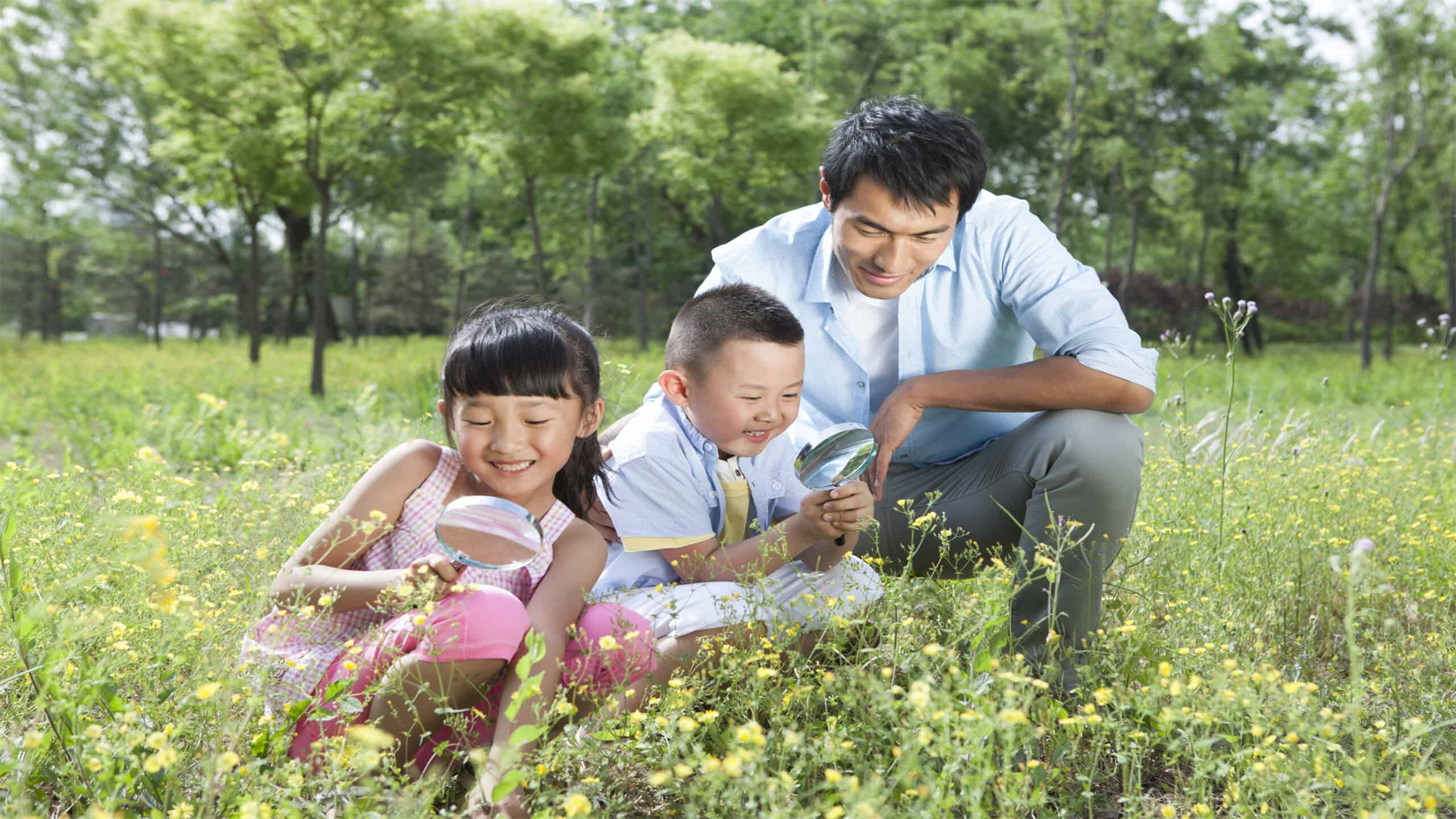
5. 💡 Model a Scientific Mindset and Utilize Digital Tools Wisely
Children learn profoundly from the attitudes and tools they see adults using.
5.1. Be a "Co-Investigator," Not Just an Instructor
When you encounter something you don't know, verbalize your thought process. Say, "I'm not sure why the stars twinkle. Let's look it up together" or "This recipe didn't turn out. I wonder if our oven temperature is accurate. How could we check?" Show that curiosity and uncertainty are part of life, even for adults, and that seeking evidence is the path forward. Your attitude towards learning is contagious.
5.2. Curate High-Quality Digital Resources
Use technology as a tool for active exploration, not passive consumption. Instead of generic science cartoons, use interactive apps like "NASA's Eyes" to explore the solar system, or "iNaturalist" to identify plants and animals on a hike. Watch "Mystery Doug" videos that answer kid-submitted questions with experiments. Follow reputable science YouTube channels like "SciShow Kids" or "The Royal Institution" that present concepts clearly and engagingly. The key is co-engagement—discuss what you're seeing together.
5.3. Celebrate the Process, Not Just the Product
Praise the effort, the careful observation, the creative question, and the thoughtful analysis more than the "correct" answer or the perfect final product. Say, "I was so impressed with how many different ways you tested your idea," or "Your detailed drawing really helped you notice new things." This reinforces that in science, the *process* of thinking—the questioning, testing, and reasoning—is the true goal and the source of joy and discovery.

Conclusion: Planting the Seeds for a Lifetime of Discovery
Cultivating scientific thinking in children is less about teaching specific facts and more about nurturing a specific posture towards the world—one of curiosity, systematic inquiry, and reasoned optimism. It’s about showing that the mundane is magnificent when viewed through the lens of "why" and "how." By intentionally creating space for observation, welcoming questions, integrating safe experiments, connecting learning to story and play, and modeling an investigative mindset ourselves, we do more than prepare children for future science classes. We equip them with a resilient, adaptable framework for thinking that will help them navigate complexity, solve problems, and make informed decisions throughout their lives. The goal is not to create a generation of Nobel laureates, but to empower a generation of thoughtful, engaged, and wonder-filled individuals who see the world not as a static set of facts, but as an endless series of fascinating questions waiting to be explored. Start today—the next great discovery might begin at your kitchen table, in your backyard, or during a quiet moment of shared wonder with your child.
You May Have Missed

Weekly "Digital Fasting" and 3 Classic Methods for Training Concentration
In an era where notifications are constant and screens demand our gaze, the ability to concentrate has become a rare and valuable skill. Our attention is fragmented, pulled in a dozen directions by the digital tools designed to connect and inform us. The result is often a feeling of mental exhaustion, reduced productivity, and a nagging sense that we are no longer in control of our own focus. To reclaim this vital cognitive resource, a powerful two-pronged approach is emerging: the practice of deliberate Weekly Digital Fasting combined with time-tested Methods for Training Concentration. This isn't about rejecting technology wholesale, but about creating intentional space and strengthening the mental muscle of attention, allowing us to engage with the digital world on our own terms.

Identifying Signs of Childhood Anxiety and 6 Soothing Techniques
Childhood anxiety is far more common than many parents realize. It's not just about feeling shy or having a bad day; it's a persistent and often debilitating condition that can significantly impact a child's happiness, social development, and academic performance. Unlike typical worries that come and go, anxiety in children tends to be intense, frequent, and can interfere with daily activities. Recognizing the signs is the crucial first step, as anxiety can often masquerade as defiance, anger, or physical illness. This guide aims to demystify childhood anxiety by outlining its common manifestations—which can be behavioral, physical, emotional, and social—and providing parents and caregivers with six practical, evidence-based techniques to help soothe their child's nervous system. By understanding what to look for and how to respond with empathy and effective tools, you can create a supportive environment that helps your child build resilience and manage their anxious feelings.

10 Traits for Identifying Highly Sensitive Children and Personalized Parenting Guidelines
Highly Sensitive Children (HSCs) are not simply "shy" or "difficult." They are born with a nervous system that is more deeply attuned to and processes sensory, emotional, and social information more thoroughly than others. This innate trait, present in roughly 15-20% of the population, is known as Sensory Processing Sensitivity (SPS). For these children, the world can feel louder, brighter, faster, and more emotionally intense. Understanding this biological basis is the first, crucial step away from mislabeling and towards supportive, personalized parenting. Recognizing an HSC is not about diagnosing a problem but about appreciating a unique neurotype—one that comes with significant strengths like deep empathy, creativity, and conscientiousness, alongside specific challenges. This article will outline ten key traits to help you identify if your child is highly sensitive and provide actionable, personalized parenting strategies to help them not just cope, but thrive.
We focus on sharing high-quality original content covering diverse fields such as technology & digital, life essays, and practical useful tips. We polish every article with care to bring you a warm and in-depth reading experience. Explore more interesting new knowledge only at FunLab666.