
Identifying Signs of Childhood Anxiety and 6 Soothing Techniques
Childhood anxiety is far more common than many parents realize. It's not just about feeling shy or having a bad day; it's a persistent and often debilitating condition that can significantly impact a child's happiness, social development, and academic performance. Unlike typical worries that come and go, anxiety in children tends to be intense, frequent, and can interfere with daily activities. Recognizing the signs is the crucial first step, as anxiety can often masquerade as defiance, anger, or physical illness. This guide aims to demystify childhood anxiety by outlining its common manifestations—which can be behavioral, physical, emotional, and social—and providing parents and caregivers with six practical, evidence-based techniques to help soothe their child's nervous system. By understanding what to look for and how to respond with empathy and effective tools, you can create a supportive environment that helps your child build resilience and manage their anxious feelings.
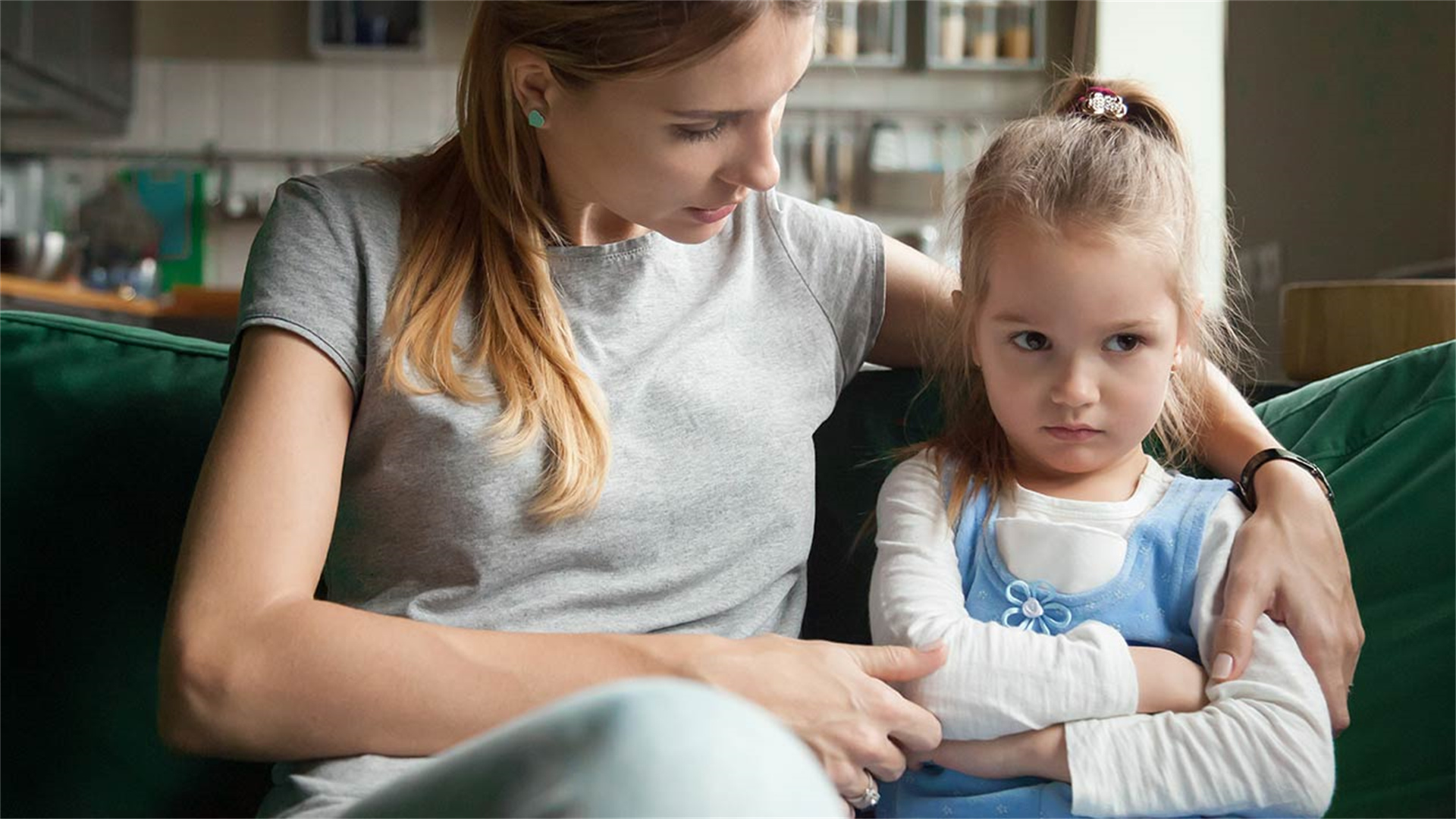
🔍 1. Recognizing the Multifaceted Signs of Childhood Anxiety
Anxiety in children rarely announces itself clearly. It often manifests through a variety of channels, and symptoms can change as the child grows. It's essential to look for patterns of behavior that are persistent, disproportionate to the situation, and cause real distress or impairment. Here are key areas to observe.
1.1 Physical Symptoms and Complaints 🩺
Children, especially younger ones, often express emotional distress through their bodies. They may not have the vocabulary to say "I'm overwhelmed with worry," but their physical symptoms speak volumes. Common complaints include frequent stomachaches or headaches, particularly before school or social events. You might notice unexplained nausea, complaints of feeling too hot or dizzy, or a racing heart. Restlessness, fidgeting, muscle tension (like clenched jaws or fists), and noticeable fatigue are also common, as the body's constant "fight-or-flight" state is exhausting. It's important to rule out medical causes with a pediatrician, but recurrent, situation-specific physical issues are a major red flag for anxiety.
1.2 Emotional and Behavioral Changes 😔😠
Anxiety can trigger significant shifts in a child's mood and actions. Emotionally, you may see increased irritability, unexplained crying spells, or outbursts of anger. These are often frustration responses to the uncomfortable, out-of-control feelings anxiety creates. Children may express excessive fear—of specific things like dogs or storms, or more general fears of bad things happening to loved ones. Behaviorally, look for avoidance: refusing to go to school, avoiding social gatherings, or sidestepping activities they once enjoyed. Perfectionism, excessive self-criticism ("I'm so stupid"), and catastrophic thinking ("If I fail this test, I'll never get into college") are hallmark cognitive signs of anxiety.
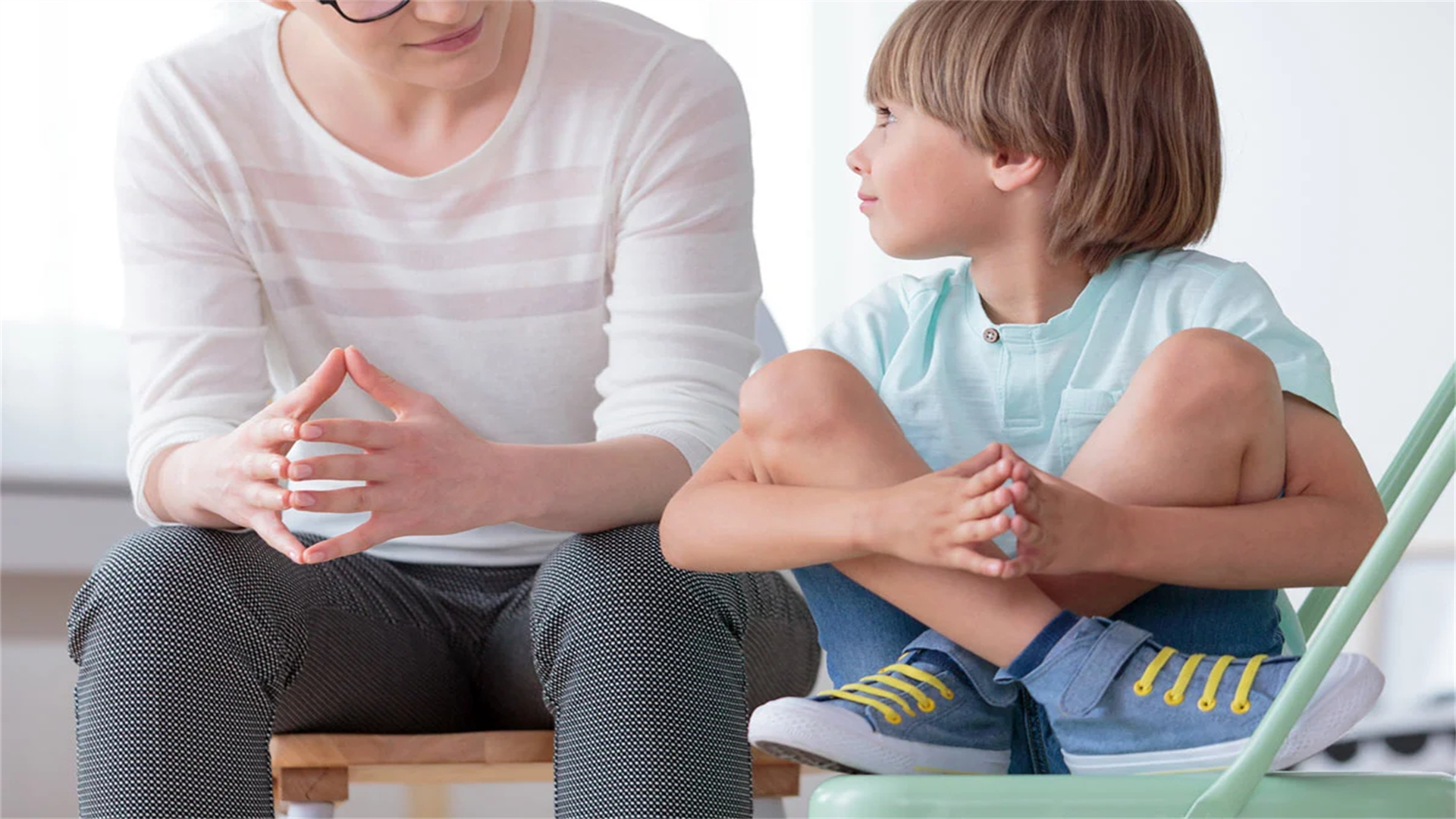
1.3 Social and Academic Impacts 🏫👫
The ripple effects of anxiety are most visible in a child's social and academic worlds. Socially, an anxious child may struggle to make or keep friends, exhibit extreme shyness, or constantly seek reassurance from peers and adults. They might be a "shadow" to a parent or teacher, reluctant to engage in group play. Academically, anxiety can cripple performance. A child may freeze during tests, refuse to participate in class for fear of being wrong, or spend excessive, distressing amounts of time on homework. Procrastination and school refusal are severe but common consequences. A sudden drop in grades or a teacher's note about changed behavior in class are strong indicators that anxiety may be at play.
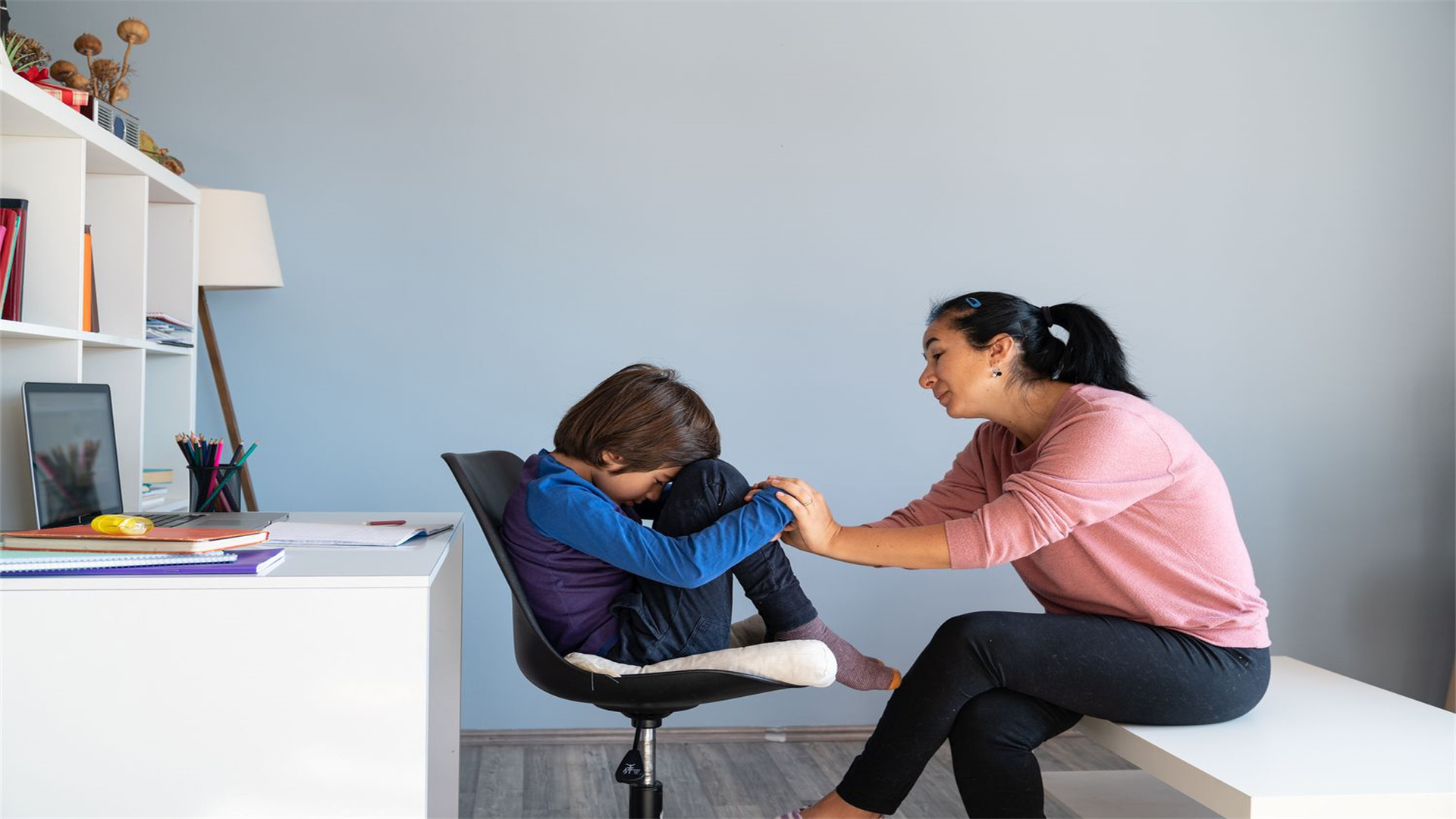
🧘 2. Six Soothing Techniques for an Anxious Child
Once signs are identified, the next step is responding with calming strategies. The goal is not to eliminate anxiety but to equip your child with tools to manage it. These techniques should be practiced during calm moments, not just deployed during crises, so they become familiar and effective.
2.1 Building a "Calm-Down" Toolkit 🧰
Work with your child to create a personalized box or bag filled with items that engage their senses and promote grounding. This empowers them to self-soothe. Items might include: a soft stress ball or textured fabric to squeeze (touch), a small vial of calming essential oil like lavender (smell), a favorite picture book or family photo (sight), a bottle of bubbles for deep, controlled breathing (breath), or a mp3 player with a short, guided meditation for kids (sound). The act of choosing the items and knowing the toolkit is there provides a sense of security and control.
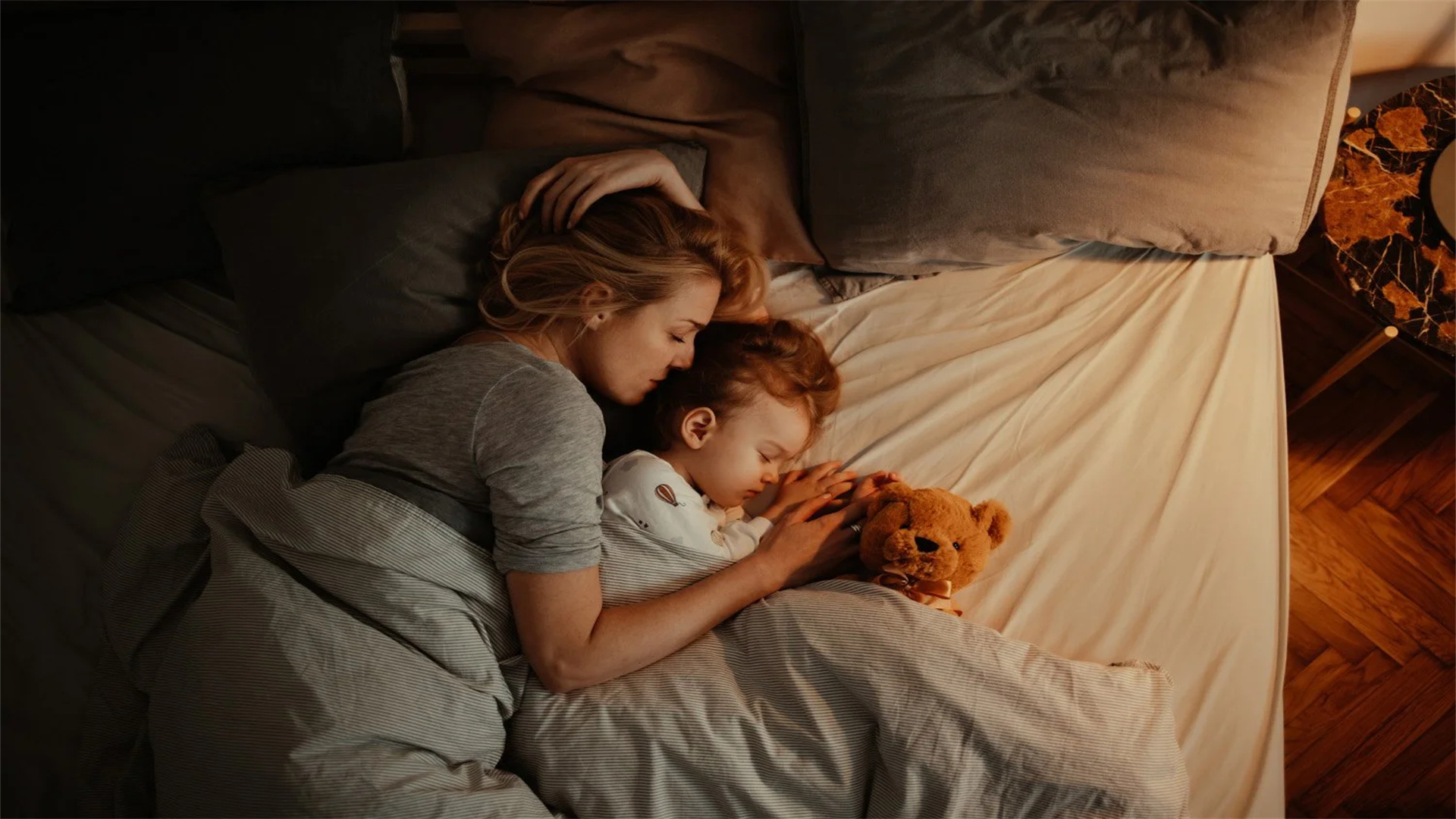
2.2 Teaching "Belly Breathing" & Mindfulness 🌬️
Deep, diaphragmatic breathing is one of the most powerful tools to counter the body's stress response. Teach your child "belly breathing" by having them lie down with a stuffed animal on their stomach. Instruct them to breathe in slowly through the nose, making the animal rise, hold for a few seconds, and exhale slowly through the mouth, making the animal fall. Pair this with simple mindfulness: ask them to name "5 things you can see, 4 things you can feel, 3 things you can hear, 2 things you can smell, and 1 thing you can taste." This 5-4-3-2-1 technique pulls their focus away from anxious thoughts and into the present moment.
2.3 Establishing Predictable Routines and "Worry Time"⏰
Anxiety feeds on uncertainty. Establishing predictable daily routines for meals, homework, play, and bedtime creates a scaffold of safety. Within this structure, institute a "Worry Time." Set aside 10-15 minutes each day (not near bedtime) as the official time to discuss worries. When anxiety strikes outside this time, gently say, "That's an important worry. Let's save it for our Worry Time." This contains anxieties instead of letting them permeate the entire day, and it teaches delayed response. During Worry Time, listen without judgment and perhaps problem-solve together.
2.4 Using Narrative and Play-Based Approaches 📖🎭
Children process complex emotions through stories and play. For younger children, use books that address anxiety (e.g., "The Worrysaurus," "Ruby Finds a Worry") to open conversations. Encourage role-playing with dolls or action figures to act out stressful scenarios, like going to the doctor, which allows them to rehearse and gain mastery. For older kids, journaling or drawing their worries can be cathartic. You can suggest they draw their worry as a creature and then talk about how to tame it or shrink it.
2.5 The Power of Positive Body Movement 🚶♂️🌈
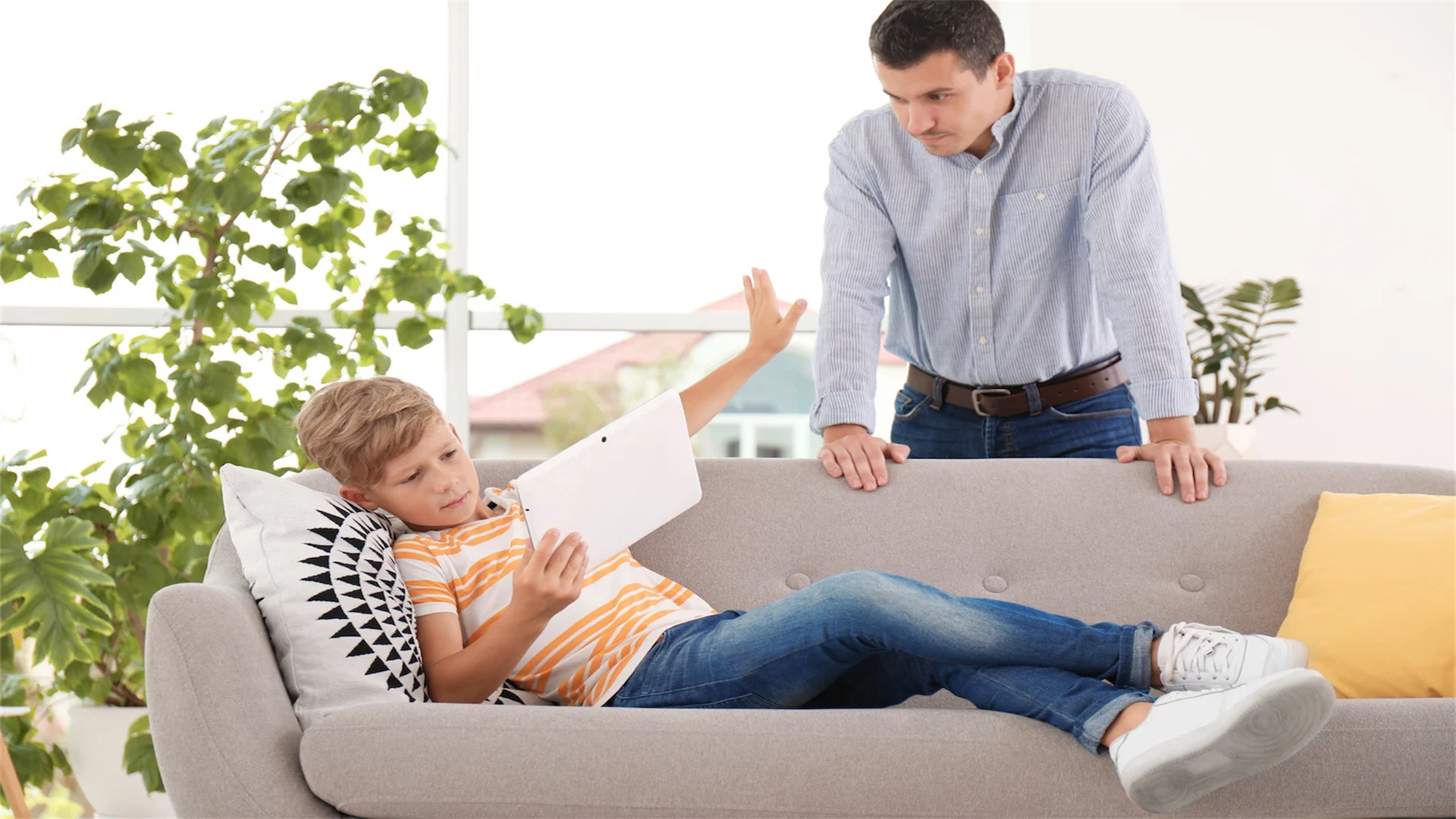
Physical activity is a natural anxiety reliever. It burns off stress hormones like cortisol and adrenaline and releases endorphins. This doesn't mean competitive sports (which can sometimes increase anxiety), but consistent, enjoyable movement. Go for family walks, have dance parties in the living room, practice kid-friendly yoga poses, or simply visit a playground. "Heavy work" activities that provide deep pressure input are particularly calming for the nervous system: carrying a basket of laundry, pushing a grocery cart, wall push-ups, or using a weighted blanket.
2.6 Modeling and Validating Emotions, Not Avoiding Triggers 🗣️❤️
Avoiding every anxiety-provoking situation reinforces the fear. Instead, practice "emotional coaching." First, validate their feeling: "I see you're feeling really scared about the birthday party. That's okay. It feels big." Avoid dismissive phrases like "don't be silly." Then, model calmness and gradual exposure. Break the feared event into tiny, manageable steps. If they fear sleepovers, start with a "sleepover" in your room, then have a friend over for a daytime playdate that ends before bedtime, gradually increasing the challenge. Most importantly, model managing your own stress in healthy ways, showing them that anxiety is a universal human experience that can be handled.

✅3. Conclusion: Fostering a Supportive Journey
Identifying and soothing childhood anxiety is an ongoing process of observation, empathy, and consistent support. The signs—whether physical complaints, emotional volatility, or social withdrawal—are your child's way of communicating distress. By responding not with frustration but with the soothing techniques outlined, such as creating calm-down kits, teaching mindful breathing, establishing routines, using play, encouraging movement, and validating emotions, you do more than just quell a momentary fear. You teach vital life skills in emotional regulation, resilience, and self-compassion. Remember, your goal is not to be a fixer who removes all obstacles, but a steady anchor and guide. If anxiety remains severe, pervasive, and interferes significantly with your child's life, seeking guidance from a child psychologist or therapist is a strong and proactive step. With patience and the right tools, you can help your child navigate their worries and build a foundation for a calmer, more confident future.
You May Have Missed

How to Cultivate Scientific Thinking in Children in Daily Life
In a world driven by innovation and discovery, scientific thinking is no longer a skill reserved for the lab coat-clad researcher. It is a fundamental mode of inquiry, a toolkit for understanding the world that empowers children to become curious, critical, and resilient problem-solvers. Contrary to popular belief, cultivating this mindset doesn't require expensive kits or a PhD; it flourishes through intentional yet playful integration into the fabric of daily life. Scientific thinking involves observation, questioning, hypothesizing, experimenting, and analyzing—processes that can be naturally woven into meals, playtime, walks, and even chores. This guide will explore practical, accessible strategies to transform everyday moments into fertile ground for nurturing the young scientist within your child, fostering a lifelong love for learning and exploration.

Up-to-Date Children's Safety Lessons
In an era defined by rapid technological advancement and evolving social dynamics, the concept of child safety has expanded far beyond "stranger danger" and looking both ways before crossing the street. Today's children navigate a complex digital landscape, face nuanced social pressures, and require a more sophisticated understanding of personal boundaries and consent. Up-to-date safety lessons are not about instilling fear, but about empowering children with the knowledge, skills, and confidence to recognize risks, make smart choices, and seek help when needed. This comprehensive guide outlines essential, modern safety education that addresses the realities of the 21st-century child, moving from the playground to the smartphone with practical, age-appropriate strategies for parents, caregivers, and educators.
Common Misconceptions and Guidelines for Nutritional Planning in Preschool Children
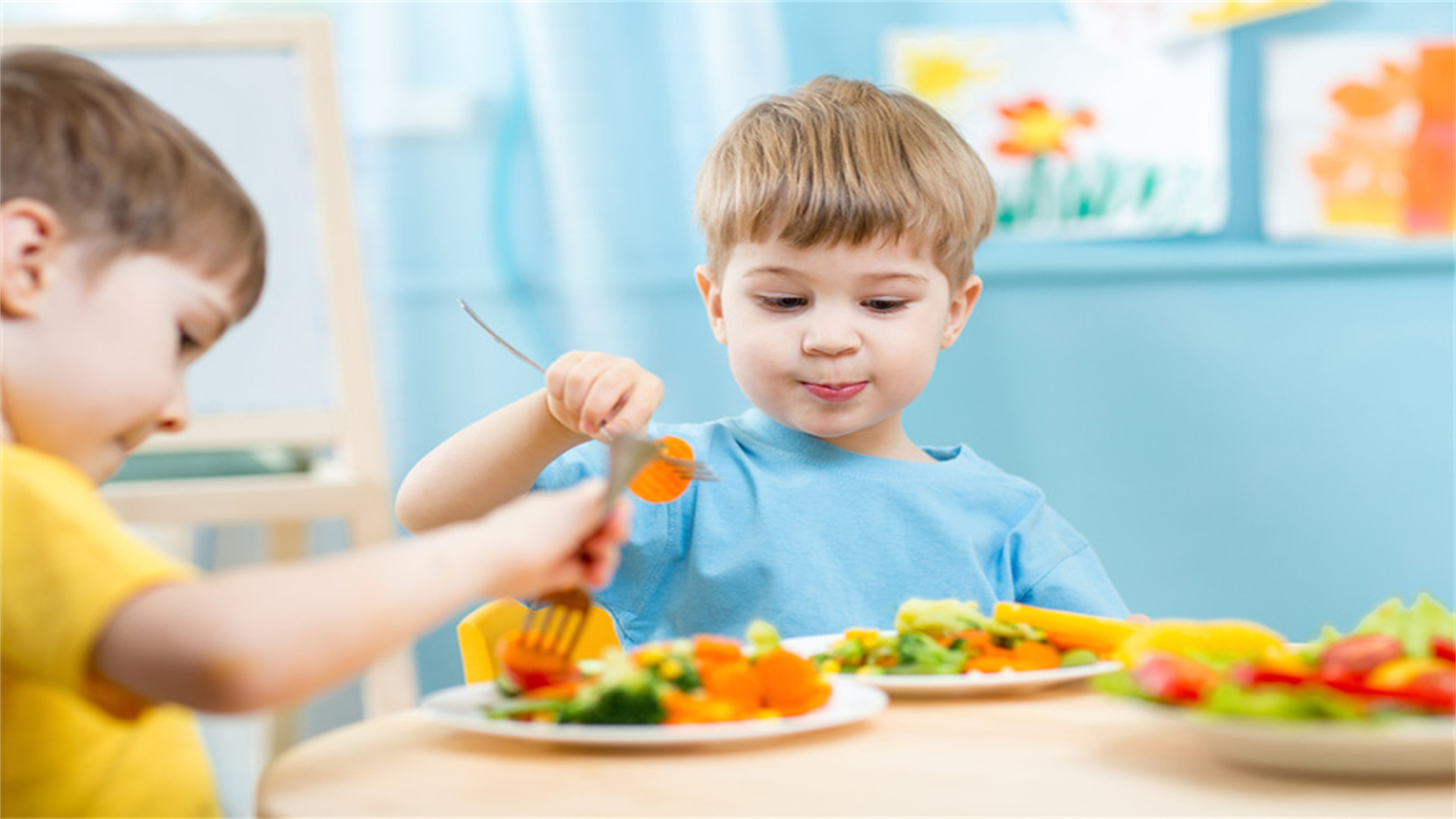
Proper nutrition during the preschool years (ages 3-5) is a cornerstone for a child's growth, cognitive development, and the establishment of lifelong healthy eating habits. However, navigating this landscape can be fraught with confusion and well-intentioned errors. Parents and caregivers often encounter conflicting advice, leading to common misconceptions that can inadvertently impact a child's relationship with food. This article aims to demystify preschool nutrition by debunking prevalent myths and providing clear, evidence-based guidelines. By moving away from anxiety-driven practices and towards a balanced, positive approach, we can create a foundation that supports both the physical and emotional well-being of young children, ensuring they receive the diverse nutrients they need to thrive.
We focus on sharing high-quality original content covering diverse fields such as technology & digital, life essays, and practical useful tips. We polish every article with care to bring you a warm and in-depth reading experience. Explore more interesting new knowledge only at FunLab666.
- Operator: STARFISH ENTERTAINMENT CO., LIMITED
- Address: FLAT/RM F428 4/F 36 TAI YAU STREET WAH HING INDUSTRIAL MANSIONS SAN PO KONG HONGKONG
- Contact: [email protected]