
Four Team Principles to Avoid "Groupthink" and Two Methods to Stimulate "Collective Intelligence"
📚 Introduction

In today's fast-paced and collaborative work environments, teams often face the dual challenges of avoiding "groupthink"—a phenomenon where the desire for consensus overrides critical thinking—and harnessing "collective intelligence"—the synergistic intelligence that emerges from group interactions. Groupthink, coined by psychologist Irving Janis, can lead to poor decision-making, innovation stagnation, and increased risk, while collective intelligence, as explored in research from MIT and other institutions, drives creativity, problem-solving, and organizational success. This article delves into four evidence-based principles to mitigate groupthink and two practical methods to foster collective intelligence, drawing insights from global studies and corporate practices. By integrating these strategies, teams can transform potential pitfalls into opportunities for enhanced performance and resilience.
1. 🎯 The Perils of Groupthink in Modern Teams
Groupthink often arises in cohesive teams under pressure, where members prioritize harmony over debate, leading to symptoms like self-censorship, illusion of invulnerability, and stereotyping of outsiders. For instance, historical debacles such as the Bay of Pigs invasion or corporate failures like Blockbuster's dismissal of digital trends underscore its dangers. In contrast, collective intelligence, exemplified by open-source projects like Wikipedia or agile tech teams, thrives on diverse inputs and collaborative processes. Understanding these dynamics is crucial for leaders aiming to build adaptive, high-performing teams in sectors from tech to healthcare.
2. 🌟 The Promise of Collective Intelligence
Collective intelligence isn't merely about pooling knowledge; it's about creating systems where the whole exceeds the sum of its parts. Research from the Center for Collective Intelligence at MIT highlights factors like social perceptiveness and equal communication turn-taking as key drivers. By leveraging tools and principles that amplify diverse voices, teams can achieve breakthroughs in innovation, as seen in companies like Google or Toyota. This article provides a roadmap to navigate these concepts, ensuring teams avoid cognitive traps while unlocking their full collaborative potential.
🔑 Principle 1: Foster Psychological Safety and Open Dialogue

Psychological safety, a term popularized by Harvard's Amy Edmondson, is the bedrock for avoiding groupthink. It refers to an environment where team members feel safe to take risks, voice opinions, and admit mistakes without fear of reprisal. This principle encourages open dialogue, reducing the pressure to conform and allowing critical issues to surface early. Studies from Google's Project Aristotle show that psychological safety is the top predictor of team effectiveness, as it enables candid feedback and diverse perspectives.
1. 🛡️ Create a Non-Judgmental Atmosphere
Leaders can foster psychological safety by modeling vulnerability, such as sharing their own failures, and explicitly inviting dissent. For example, at Pixar, "braintrust" meetings where creators critique works-in-progress without authority hierarchies have led to iconic films. Regular check-ins and anonymous feedback tools, like those used by Salesforce, also help normalize open communication, ensuring all voices are heard without retaliation.
2. 🗣️ Encourage Constructive Conflict
Healthy debate is vital to counter groupthink. Techniques like "round-robin" speaking, where each member contributes in turn, prevent dominant voices from overshadowing others. Companies like Amazon implement "disagree and commit" practices, where teams must document opposing views before decisions. This structured conflict, as seen in military strategies or hospital safety protocols, surfaces blind spots and enhances decision quality.
🌍 Principle 2: Promote Diversity and Inclusive Participation
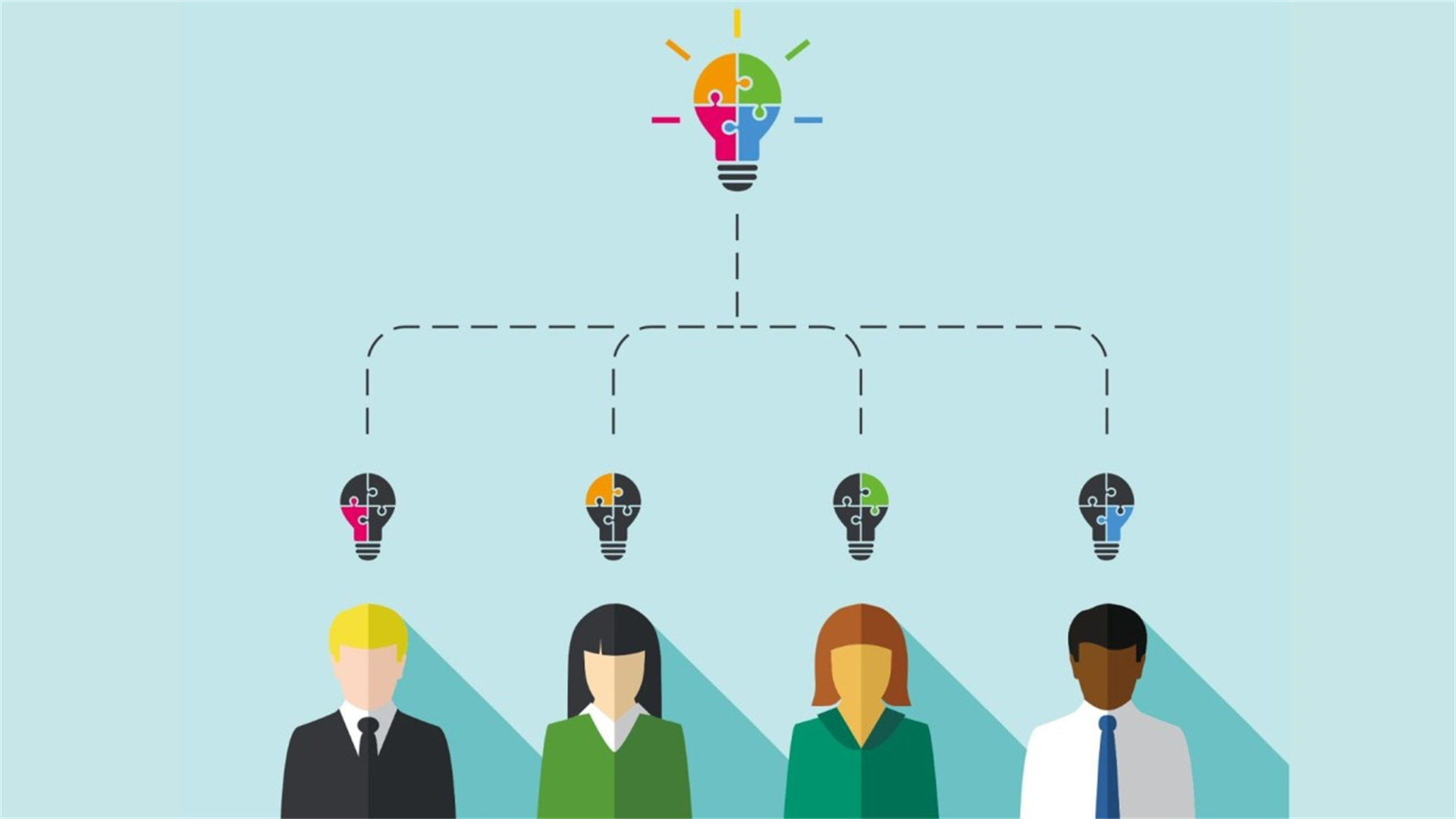
Diversity—in backgrounds, expertise, and cognitive styles—is a powerful antidote to groupthink. Homogeneous teams often fall prey to echo chambers, whereas diverse teams bring varied perspectives that challenge assumptions and spur innovation. Research from McKinsey & Company links diversity to better financial performance, while studies in scientific fields show that interdisciplinary teams produce more cited papers. This principle ensures that inclusion goes beyond tokenism to active participation.
1. 🤝 Assemble Cross-Functional Teams
Building teams with members from different departments, cultures, or skill sets, as done at IBM or NASA, introduces cognitive diversity. For instance, NASA's "Skunk Works" teams combine engineers, biologists, and designers to solve complex space challenges. Inclusive hiring practices and rotation programs, similar to those at Unilever, further enrich team dynamics, preventing insular thinking.
2. 🔊 Amplify Marginalized Voices
To avoid dominance by senior or extroverted members, leaders can use techniques like "silent brainstorming" or digital platforms where quieter contributors share ideas first. At Intel, "idea quotas" ensure everyone proposes solutions before discussion. This approach, inspired by democratic deliberation models, taps into collective wisdom and reduces conformity biases.
⚖️Principle 3: Implement Structured Decision-Making Processes

Unstructured discussions often devolve into groupthink, but formal processes introduce rigor and objectivity. Structured decision-making involves clear steps like problem definition, alternative generation, and evaluation criteria, which force teams to consider multiple viewpoints. This principle draws from business frameworks like the "Six Thinking Hats" by Edward de Bono or military OODA loops, which systematically break down complex decisions.
1. 📋 Use Pre-Mortems and Devil's Advocacy
A pre-mortem, where teams imagine a project has failed and work backward to identify causes, proactively surfaces risks. Similarly, assigning a "devil's advocate"—a role rotated among members to challenge proposals—prevents premature consensus. Companies like Bridgewater Associates institutionalize this with "idea meritocracies," where arguments are weighed based on logic, not hierarchy, reducing echo chamber effects.
2.⏳Introduce Deliberation Time and External Input
Rushed decisions fuel groupthink; thus, building in reflection periods or "cooling-off" phases allows for second thoughts. Seeking external feedback from stakeholders or experts, as practiced at Apple with design reviews, provides fresh perspectives. Tools like decision matrices or SWOT analysis, common in consulting firms, add discipline to the process, ensuring all options are evaluated fairly.
🔄 Principle 4: Cultivate Continuous Learning and Adaptability
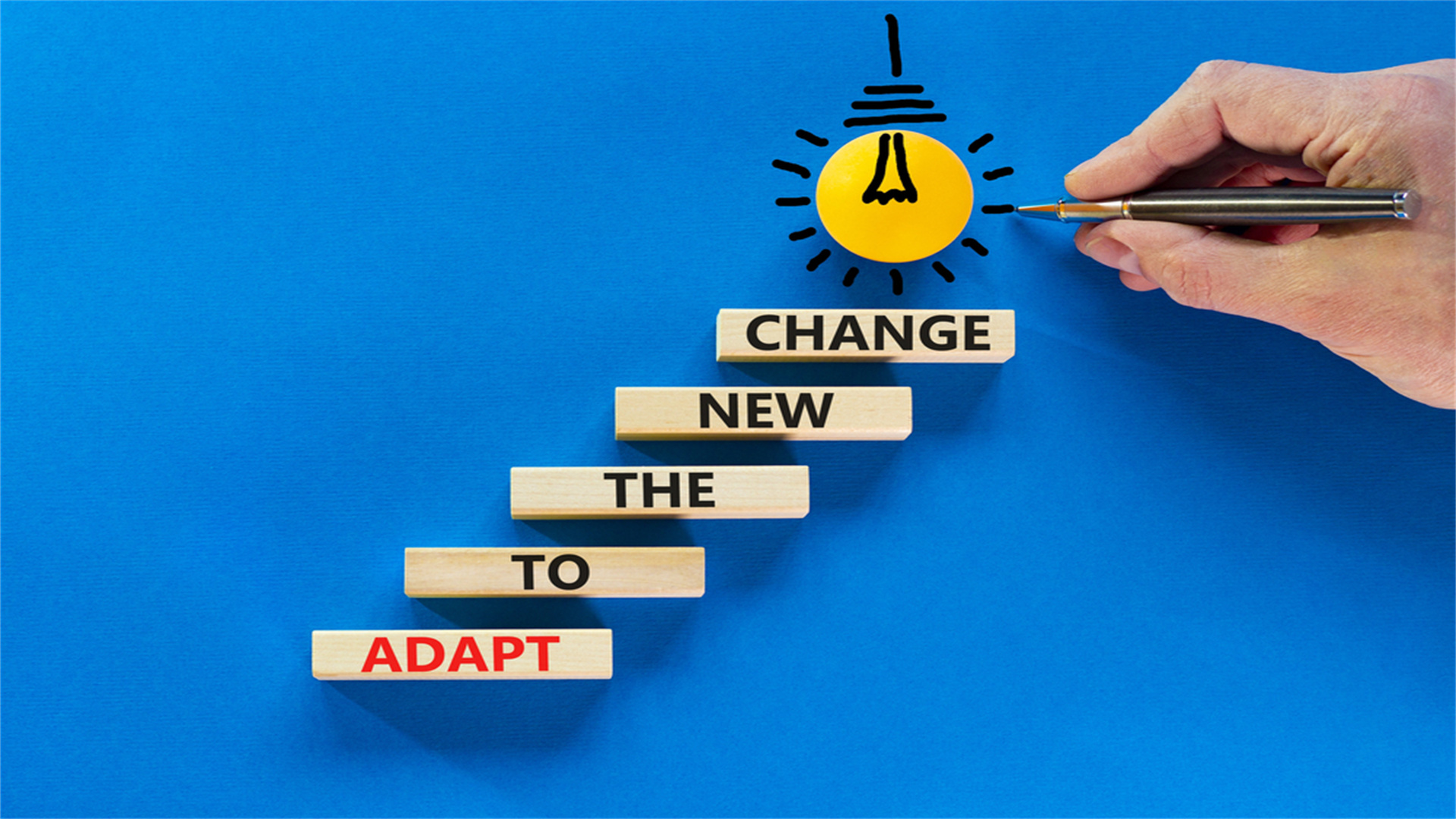
Teams stuck in routine are prone to groupthink, while those embracing learning adapt to change and innovate. This principle emphasizes a growth mindset, where failures are seen as learning opportunities, and feedback loops are integral. Inspired by agile methodologies and learning organizations like Toyota, it fosters resilience and critical thinking over complacency.
1. 📚 Conduct After-Action Reviews and Retrospectives
Regular retrospectives, where teams analyze what went well and what didn't after projects, promote continuous improvement. The U.S. Army's after-action reviews have become a benchmark for learning cultures. By documenting lessons and adjusting processes, as done at Spotify with sprint reviews, teams avoid repeating mistakes and encourage constructive dissent.
2> 🧠 Encourage Curiosity and External Exploration
Stimulating curiosity through "innovation days" or exposure to outside industries prevents insularity. Google's "20% time" policy, where employees work on passion projects, has led to breakthroughs like Gmail. Similarly, attending conferences or partnering with academia, as seen in pharmaceutical R&D, injects new ideas and counters groupthink by challenging entrenched norms.
💡 Method 1: Utilize Collaborative Brainstorming and Ideation Techniques

To stimulate collective intelligence, teams need methods that harness diverse inputs creatively. Traditional brainstorming often fails due to production blocking or evaluation apprehension, but enhanced techniques structure participation for better outcomes. This method leverages approaches from design thinking and crowdsourcing to generate novel solutions and build shared understanding.
1. 🧩 Apply Brainwriting and 6-3-5 Method
Brainwriting, where individuals write ideas independently before sharing, reduces dominance and yields more ideas. The 6-3-5 method—six people write three ideas each in five minutes—then rotates sheets for building, as used in innovation workshops at IDEO. This silent phase, followed by group synthesis, taps into latent knowledge and minimizes social loafing, fostering collective creativity.
2> 🎨 Integrate Design Sprints and Gamification
Design sprints, popularized by Google Ventures, compress problem-solving into focused phases like empathy mapping and prototyping, engaging cross-functional teams. Gamification elements, such as idea contests or simulation games, increase engagement and diversity of thought. For example, IBM's innovation jams have mobilized global employees to solve business challenges, demonstrating how structured yet playful methods unlock collective intelligence.
🤖 Method 2: Leverage Technology-Enabled Collaboration Tools

Digital tools amplify collective intelligence by facilitating asynchronous communication, data synthesis, and global collaboration. In an era of remote work, platforms that integrate diverse inputs and provide analytics help teams transcend geographical and cognitive limits. This method draws from trends in AI-assisted decision-making and virtual teamwork, as seen in tech hubs and research consortia.
1. 🌐 Use AI-Powered Platforms for Idea Aggregation
Tools like Slack, Miro, or dedicated AI platforms such as IdeaScale aggregate and prioritize ideas using algorithms, identifying patterns from large groups. For instance, NASA's use of crowdsourcing platforms for space problems engages public solvers worldwide. These technologies enable scalable participation and reduce bias, as they anonymize contributions and highlight consensus areas, enhancing collective problem-solving.
2> 📊 Implement Real-Time Feedback and Analytics Systems
Real-time polling tools like Poll Everywhere or analytics dashboards that track team sentiment, as used in agile software development, provide immediate insights into group dynamics. By visualizing data on participation or idea flow, leaders can adjust processes to ensure inclusivity. Examples include Deloitte's pulse surveys or GitHub's collaboration metrics, which foster adaptive teamwork and continuous learning loops.
📝 Conclusion

Avoiding groupthink and stimulating collective intelligence are not mutually exclusive; they are complementary endeavors that require intentional design and leadership. By embracing the four principles—fostering psychological safety, promoting diversity, implementing structured processes, and cultivating continuous learning—teams can create environments where critical thinking flourishes. Coupled with the two methods—utilizing collaborative brainstorming and leveraging technology tools—these strategies empower teams to harness their collective wisdom for innovation and resilience. As organizations navigate increasing complexity, from global markets to digital transformation, adopting these approaches can transform group dynamics, turning potential vulnerabilities into strengths. Ultimately, the journey toward smarter collaboration is ongoing, but with these guidelines, teams can build a culture where every voice matters and collective intelligence drives sustainable success.
1. 🚀 Key Takeaways for Immediate Application
Start by assessing your team's current dynamics: conduct a psychological safety survey or diversity audit. Introduce one principle at a time, such as assigning a devil's advocate in meetings, and pair it with a method like brainwriting sessions. Regularly review progress through retrospectives, and adapt tools based on feedback. Resources from sites like Harvard Business Review or MIT Sloan offer further case studies and tools for implementation.
2. 🌈 The Future of Collaborative Teams
As AI and remote work evolve, the principles and methods outlined here will adapt, but core human elements—trust, inclusivity, and curiosity—remain vital. By staying informed through global forums like the Collective Intelligence Conference or industry reports, teams can continue refining their practices. Embracing this holistic approach ensures that groups not only avoid the traps of groupthink but also unlock the transformative power of collective intelligence in an interconnected world.
You May Have Missed
Are "Brain Development" Courses a Tax on Intelligence?
In recent years, the proliferation of "brain development" or "cognitive training" courses has sparked intense debate among educators, scientists, and consumers worldwide. Marketed as tools to enhance memory, focus, problem-solving skills, and overall intelligence, these programs—often available online or through specialized apps—promise to unlock human potential for a fee. However, a critical question arises: are these courses a legitimate investment in self-improvement, or do they represent a modern "tax on intelligence," exploiting societal anxieties about cognitive decline and competitive advantage? This article delves into the phenomenon, examining the claims, science, costs, and ethical implications of brain development courses. By analyzing evidence from cognitive research, consumer trends, and expert opinions, we aim to unravel whether these programs offer tangible benefits or merely levy a financial and psychological toll on those seeking intellectual growth. The concept of a "tax" here metaphorically suggests an imposed burden—whether monetary or mental—that may not yield proportional returns, echoing concerns about pseudoscience and commercial exploitation in the wellness and education sectors.

Understanding Three Unique Challenges and Psychological Needs Faced by "Highly Intelligent Individuals"
The term "highly intelligent" often conjures images of effortless success and boundless potential. However, behind the high IQ scores and cognitive prowess lies a complex inner world marked by distinct psychological struggles. Intelligence is not merely a cognitive attribute; it is a lens through which individuals perceive and interact with the world, often leading to profound mismatches with conventional environments and social expectations. This article delves beyond the stereotype to explore three core, interlinked challenges uniquely faced by many highly intelligent people. By understanding these struggles—the tyranny of asynchronous development, the pain of intellectual loneliness, and the burden of existential intensity—we can better comprehend their accompanying psychological needs and foster more supportive pathways for their well-being and contribution.

Four Thinking Models and Two Practice Habits to Enhance Knowledge Transfer Ability
In our information-saturated world, the true mark of intelligence is no longer merely what you know, but how effectively you can use that knowledge in novel situations. This crucial skill is known as knowledge transfer—the ability to extract a principle, strategy, or insight from one context and successfully apply it to a different, often unrelated, one. It is the bridge between theoretical understanding and practical innovation, the engine behind creative problem-solving and adaptive expertise. While raw intelligence and memory play a role, knowledge transfer is fundamentally a learnable skill, honed through deliberate mental frameworks and consistent practice. This article explores four powerful thinking models that reshape how you process information, coupled with two foundational practice habits, to systematically build your capacity for seamless and powerful knowledge transfer.
We focus on sharing high-quality original content covering diverse fields such as technology & digital, life essays, and practical useful tips. We polish every article with care to bring you a warm and in-depth reading experience. Explore more interesting new knowledge only at FunLab666.