
Eight Observation Windows and Development Focuses for Children Aged 0-6 in Intellectual Development
The first six years of a child's life represent a period of staggering neurological growth and intellectual formation. Often termed the "foundational years," this period sees the brain developing at its most rapid pace, building the essential neural architecture that will support all future learning, behavior, and health. Intellectual development in early childhood is not a singular track but a complex, interconnected web of cognitive, linguistic, motor, social, and emotional growth. For parents, caregivers, and educators, understanding this multifaceted journey is key to providing effective support. This article outlines eight crucial "observation windows"—key areas of development—to monitor and nurture in children from birth to age six. By focusing on these core domains with intentionality and warmth, we can help unlock each child's unique potential and set a strong, joyful foundation for lifelong intellectual curiosity and resilience.

1. 🧠 The Cognitive & Problem-Solving Window: Building the Thinking Toolkit
This window observes how a child understands, reasons, remembers, and solves problems. It moves from basic sensory exploration to complex abstract thought.
1.1. Development Focus: Sensory Exploration to Symbolic Thought (0-3 years)
Infants learn through their senses and actions. Focus on object permanence (understanding things exist even when out of sight), cause-and-effect relationships (e.g., shaking a rattle makes sound), and early categorization (e.g., all "balls" roll). Provide rich sensory experiences with safe objects of different textures, sounds, and colors.
1.2. Development Focus: Pre-operational & Imaginative Thinking (3-6 years)
This stage is marked by explosive symbolic play, language use, and imagination. However, thinking is often egocentric (seeing the world only from their own view) and intuitive rather than logical. Focus on supporting pretend play, asking "why" and "how" questions to spark reasoning, and introducing simple puzzles, sequencing games, and matching activities that challenge their growing minds.
1.3. Key Activities for Growth
Engage in interactive games like peek-a-boo and hide-and-seek. Provide open-ended toys like blocks, shape sorters, and nesting cups. Encourage pretend play with dolls, toy kitchens, or dress-up clothes. Read stories and discuss the plot and characters. Involve them in simple daily problem-solving, like figuring out how to share snacks equally.

2.🗣️The Language & Communication Window: From Coos to Conversations
Language is the primary vehicle for thought, learning, and social connection. This window tracks the progression from pre-verbal cues to fluent, complex communication.
2.1. Development Focus: Receptive Language & Pre-verbal Skills (0-18 months)
Long before first words, babies are absorbing language. Focus on their ability to listen, recognize familiar voices and words, follow simple commands, and use gestures (pointing, waving). Talk, sing, and read to them constantly, labeling objects and actions in their environment.
2.2. Development Focus: Expressive Language & Grammar Explosion (18 months-4 years)
This period sees a move from single words to two-word phrases, and then to complete sentences with increasingly complex grammar. Vocabulary expands rapidly. Focus on clear articulation, sentence length, and the ability to express needs, ideas, and stories. Correct by modeling rather than criticizing (e.g., if they say "runned," you say "Yes, you ran!").
2.3. Development Focus: Narrative & Social Language (4-6 years)
Language becomes a tool for storytelling, negotiation, and building friendships. Focus on their ability to tell a story with a sequence, understand and use humor, follow multi-step instructions, and engage in extended back-and-forth conversations. Engage in detailed discussions, play word games, and encourage them to narrate their experiences.
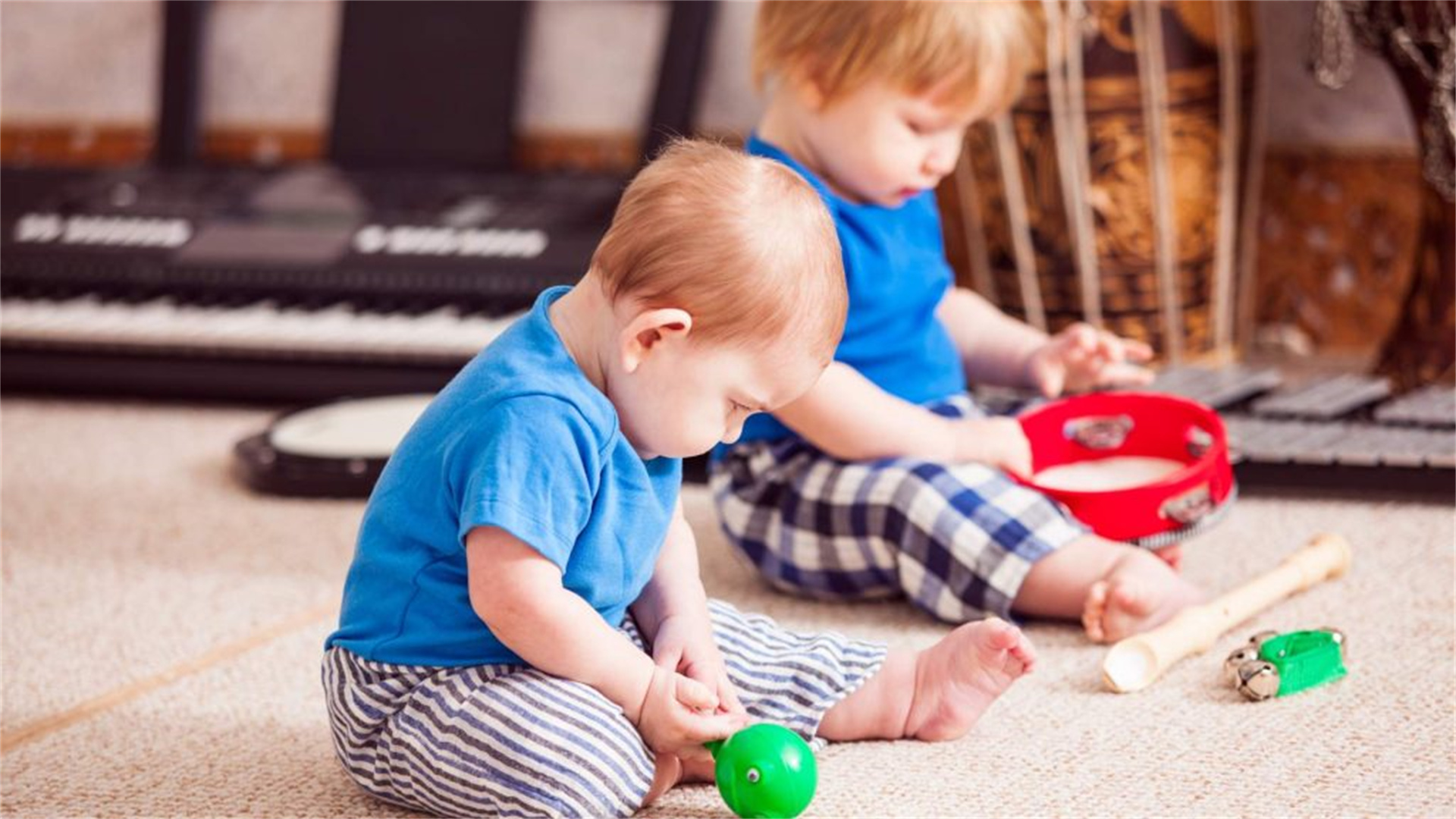
3. 🏃♂️The Gross & Fine Motor Skills Window: The Body as a Learning Instrument
Motor development is intimately linked to cognitive growth. It allows children to interact with their world, which in turn fuels brain development.
3.1. Development Focus: Gross Motor Milestones & Body Awareness (0-3 years)
This includes the major milestones: rolling over, sitting, crawling, walking, running, jumping, and climbing. These skills build core strength, balance, and spatial awareness. Provide safe, ample space for movement and tummy time. Encourage activities like kicking a soft ball, dancing, and navigating playground equipment.
3.2. Development Focus: Fine Motor Precision & Hand-Eye Coordination (1-6 years)
Fine motor skills involve the small muscles of the hands and fingers. Focus progresses from a palmar grasp to a pincer grasp, then to skills like stacking blocks, turning pages, using utensils, drawing shapes, and eventually writing. Offer activities like playing with dough, threading large beads, using child-safe scissors, drawing with crayons of different sizes, and doing simple puzzles.
3.3. The Mind-Body Connection
Motor activities are cognitive tasks. Planning a climb, judging a jump, or controlling a pencil all require significant brainpower. Avoid rushing fine motor tasks like writing; ensure gross motor foundations are solid first, as core stability directly impacts hand control.

4. 💖 The Social-Emotional & Self-Regulation Window: The Foundation for Executive Function
This window is critical for intellectual success. It encompasses the ability to understand one's own and others' emotions, form relationships, and manage impulses and behavior—skills collectively known as executive function.
4.1. Development Focus: Attachment & Emotional Recognition (0-3 years)
A secure attachment with a primary caregiver is the bedrock. Focus on the child's ability to seek comfort, engage in back-and-forth interactions (serve and return), and begin to identify basic emotions in themselves and others through facial expressions and tone of voice.
4.2. Development Focus: Empathy, Cooperation & Impulse Control (3-6 years)
Children learn to play cooperatively, share (with difficulty at first), take turns, and understand others' perspectives. A major focus is developing impulse control—the ability to wait, follow rules, and manage frustration. This is the precursor to focused attention. Use pretend play to explore emotions, label feelings, and establish calm, consistent routines and expectations.
4.3. Nurturing Executive Function
Games like "Simon Says," "Red Light Green Light," and simple board games teach self-control, working memory (remembering rules), and cognitive flexibility. Encourage tasks that require planning and follow-through, like cleaning up toys step-by-step.

5. 👁️ The Sensory Integration & Perceptual Window: Making Sense of the World
The brain must learn to organize and interpret information from all the senses (sight, sound, touch, taste, smell, vestibular, proprioceptive) to form a coherent picture of the world.
5.1. Development Focus: Sensory Processing & Modulation (0-6 years)
Observe how a child responds to sensory input. Do they seek it out (e.g., love to spin, touch everything) or avoid it (e.g., cover ears at loud sounds, picky about clothing textures)? Healthy development involves learning to modulate—to tolerate necessary stimuli and seek appropriate input to stay regulated.
5.2. Development Focus: Visual-Spatial & Auditory Perception
This includes depth perception, tracking moving objects, distinguishing shapes and letters, and understanding spatial relationships (like "behind" or "under"). Auditory perception involves discriminating between sounds, which is crucial for language and later reading. Provide activities like building with 3D blocks, playing "I Spy," sorting objects, and listening to varied music and environmental sounds.
5.3. Creating a Sensory-Rich Environment
Offer a balanced "sensory diet": opportunities for messy play (sand, water, paint), movement (swinging, rocking), tactile experiences (different fabrics, play dough), and calming activities (weighted blankets, quiet corners). This helps the brain build efficient neural pathways for processing information.

6.🎨The Creativity & Imaginative Play Window: The Engine of Innovation
Creativity is a core intellectual skill, involving divergent thinking, flexibility, and the ability to see new possibilities. Imaginative play is its primary training ground in early childhood.
6.1. Development Focus: Symbolic and Pretend Play (2-6 years)
When a child uses a banana as a phone or a box as a spaceship, they are demonstrating abstract thought. This play enhances narrative skills, problem-solving, empathy (role-playing), and emotional processing. Focus on the complexity and duration of their pretend scenarios. Provide open-ended, non-realistic toys (blocks, sticks, cloths) that require imagination.
6.2. Development Focus: Artistic Expression & "Process over Product"
Intellectual growth occurs in the act of creating, not in the final artwork. Focus on the experience of exploring colors, mixing paint, molding clay, and making marks. Avoid models to copy; instead, provide materials and let them experiment. Ask open-ended questions like "Can you tell me about your picture?"
6.3. Fostering a Creative Mindset
Value curiosity and multiple solutions. Instead of giving immediate answers, ask "What do you think?" Embrace mistakes as learning opportunities. Encourage imaginative storytelling, music-making with simple instruments, and dancing freely to different rhythms.

7. 🔢 The Early Numeracy & Logical Reasoning Window: More Than Just Counting
Early math is about understanding concepts, patterns, and relationships in the physical world, forming a foundation for formal mathematical reasoning.
7.1. Development Focus: Foundational Concepts (0-4 years)
This includes understanding basic quantity (more/less, full/empty), recognizing small quantities without counting (subitizing), sorting objects by one attribute (color, size), recognizing simple patterns (red-blue-red-blue), and spatial words (up/down, in/out). Incorporate math into daily routines: counting steps, comparing sizes of fruits, setting the table.
7.2. Development Focus: Operations & Measurement (4-6 years)
Children begin to grasp the logic behind counting, simple addition/subtraction using objects, and basic measurement concepts (taller/shorter, heavier/lighter). They start to solve simple real-world problems. Use games involving dice, dominoes, and simple card games. Cook together to explore measurement and fractions (half, whole).
7.3. Building a Positive Math Mindset
The goal is to develop "math talk" and confidence, not rote memorization. Focus on exploration and reasoning. Ask, "How did you figure that out?" Play board games that involve counting spaces. Explore shapes in the environment, going beyond naming to discussing their properties (e.g., "A triangle has three sides and three points").
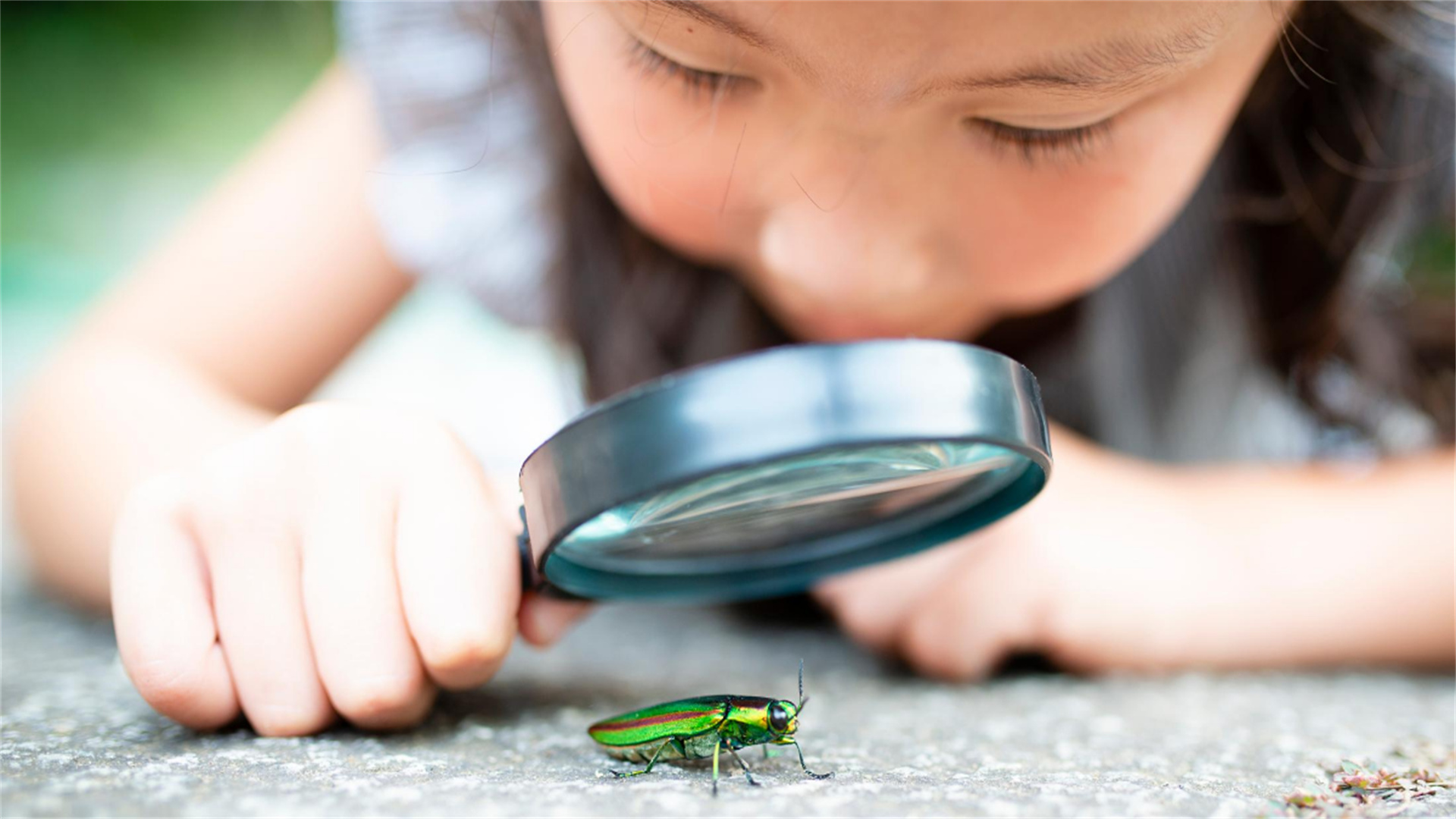
8. 🌍 The Curiosity & Executive Function Window: The Drive to Learn and Manage Learning
This final window is meta-cognitive—it's about the attitudes and management systems that fuel and direct intellectual growth.
8.1. Development Focus: Inquisitiveness & Persistence
A child's innate curiosity is the engine of learning. Focus on their desire to explore, ask questions, and figure things out. Equally important is persistence—the ability to stick with a challenging task. Nurture this by allowing uninterrupted play, responding to their questions, and praising effort ("You worked so hard on that tower!") rather than just innate ability.
8.2. Development Focus: Working Memory, Attention & Cognitive Flexibility
These are the core executive functions. Working memory is holding information in mind (like following a 2-step instruction). Attention is focusing on a task despite distractions. Cognitive flexibility is switching between tasks or thinking rules. Strengthen these through songs with movements, memory matching games, and activities where rules change slightly.
8.3. The Role of the Adult: Scaffolder & Co-Explorer
The adult's role is to provide the "scaffolding"—offering just enough support for the child to achieve a task they couldn't do alone, then gradually removing it. Be a co-explorer: model curiosity, say "I don't know, let's find out together," and create a safe environment where questioning and experimentation are celebrated.

Conclusion: Weaving the Threads into a Tapestry of Potential
The intellectual development of a child from 0 to 6 is a magnificent, intricate tapestry woven from threads of cognitive, motor, linguistic, social, and emotional growth. These eight observation windows are not isolated panes of glass but interconnected facets of a single, dynamic child. Progress in one area, such as language, fuels growth in another, like social play or problem-solving. The key for parents and caregivers is to adopt a holistic, attentive, and responsive approach. Observe with wonder, engage with intentionality through play and daily routines, and provide a safe, stimulating, and loving environment. By mindfully nurturing these diverse areas of development, we do more than teach skills—we help build a robust, agile, and joyful mind, equipping children with the foundational toolkit they need to thrive in school and embrace a lifetime of learning. The focus should always be on the process of discovery, fostering resilience and a love of learning that will shine far brighter than any isolated milestone.
You May Have Missed

Three Scientific Rest Modes and One Sleep Formula to Improve Brain Efficiency
In an era where mental agility and productivity are paramount, understanding how to enhance brain efficiency is more important than ever. While diet, exercise, and cognitive training often take center stage, scientific evidence overwhelmingly highlights rest and sleep as foundational pillars for optimal brain function. Brain efficiency refers to the ability to process information quickly, maintain focus, solve problems effectively, and retain memories—all of which can be significantly improved through deliberate rest practices and quality sleep. This article delves into three scientifically validated rest modes—micro-breaks, mindful rest, and active rest—along with one comprehensive sleep formula, all designed to boost your cognitive capabilities. By integrating these strategies into your daily life, you can combat mental fatigue, enhance creativity, and achieve sustained peak performance in both personal and professional realms. The following sections will explore each rest mode in detail, backed by research from neuroscience and psychology, and provide a practical sleep formula to round out your brain optimization toolkit.

The "Dual Encoding" Memory Method, Popular in Academia, and Its Four Applications in Daily Learning
In the relentless pursuit of academic excellence and efficient knowledge retention, learners and researchers are constantly seeking powerful cognitive tools. One method that has gained significant traction within academic circles is the Dual Encoding Theory (DET), a cognitive theory proposed by psychologist Allan Paivio. At its core, Dual Encoding posits that information presented both visually and verbally is recalled more easily and accurately than information presented in only one format. This is because our brains possess two partially independent yet interconnected systems for processing information: one for verbal language (words, sentences) and one for non-verbal imagery (pictures, sounds, sensations). When we encode information using both "channels"—for instance, by linking a concept to a mental image or a diagram—we create two distinct memory traces. These traces reinforce each other, providing multiple pathways for retrieval and making the memory more robust and resistant to forgetting.
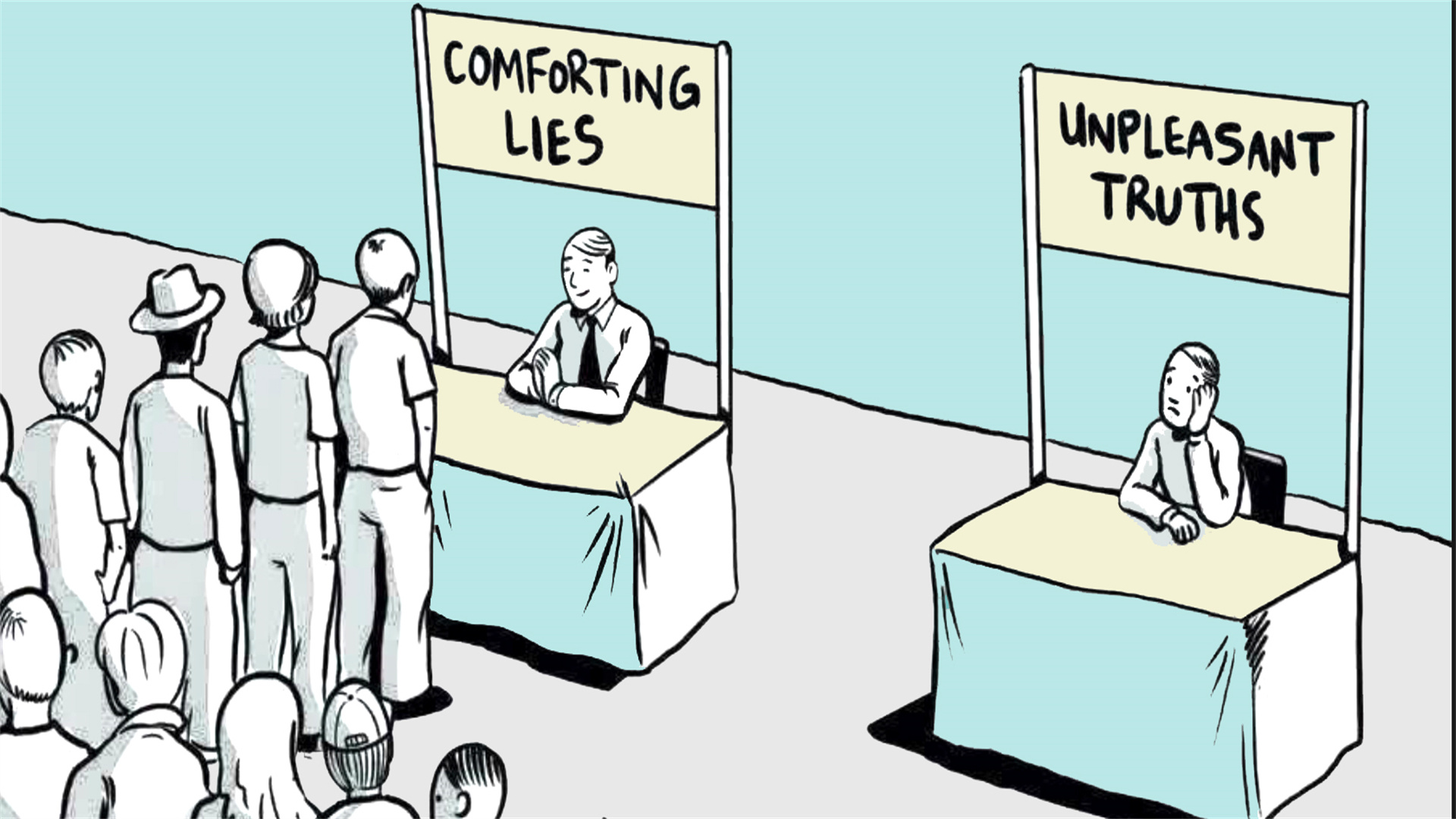
Identifying and Avoiding Five Common "Cognitive Biases" to Improve Decision-Making Intelligence
In our daily lives, from simple choices like what to have for lunch to complex professional and financial decisions, we are constantly making judgments. We like to believe these judgments are rational, logical, and objective. However, decades of research in psychology and behavioral economics reveal a different story: our minds are often hijacked by systematic patterns of deviation from norm or rationality in judgment, known as cognitive biases. These mental shortcuts, or heuristics, evolved to help us make quick decisions but frequently lead to predictable errors. By understanding and identifying these biases, we can significantly improve our decision-making intelligence, leading to better outcomes in business, relationships, and personal growth. This article will explore five pervasive cognitive biases, illustrate their impact with examples, and provide practical strategies to mitigate their influence.
We focus on sharing high-quality original content covering diverse fields such as technology & digital, life essays, and practical useful tips. We polish every article with care to bring you a warm and in-depth reading experience. Explore more interesting new knowledge only at FunLab666.