
What Education Are Silicon Valley Elites Pursuing? From "Stanford Online High School" to "AltSchool"
In the heart of global technological innovation, Silicon Valley's elite—founders, VCs, and top engineers—are applying the same disruptive thinking to a fundamental aspect of life: their children's education. Dissatisfied with traditional models they perceive as slow, standardized, and ill-suited for the future, these parents are pioneering and patronizing a new wave of educational experiments. Their quest is not merely for prestigious names but for ecosystems that promise agility, deep personalization, and mastery of future-ready skills. This movement shifts the focus from institutional legacy to learner-centric experience, often leveraging technology not as a mere tool, but as an integral fabric of the learning environment. From the academically rigorous Stanford Online High School to the tech-infused, personalized model of AltSchool, the educational preferences of Silicon Valley's influential class reveal a blueprint for what they believe the "next generation" of learning must embody—and what they are willing to build or fund to realize it.
1. 🏆 The Allure of Elite Acceleration: Stanford Online High School (OHS)
Stanford Online High School (OHS) represents a paradigm where academic rigor and flexibility converge, catering explicitly to profoundly gifted and highly motivated students. It's not a typical "online school"; it's a selective institution operated by Stanford University that offers a live, seminar-style education virtually.
🎯 Rigor and Intellectual Community
OHS provides a college-level curriculum with courses like Multivariable Calculus, Linear Algebra, and advanced philosophy seminars. Classes are conducted in real-time video conferences with small groups, emphasizing Socratic dialogue and deep discussion. For Silicon Valley parents, this offers an intellectually stimulating environment that is often missing in local schools, preventing boredom and disengagement in exceptionally bright children.
🌍 Global Classroom, Flexible Schedule
The online format breaks geographical barriers, allowing students to learn from anywhere—a perfect fit for families who travel frequently or reside in areas without specialized gifted programs. The schedule, while synchronous, can offer more flexibility than a traditional school day, enabling students to pursue intense extracurriculars like coding projects, scientific research, or competitive athletics at a high level.
🚀 Pathway to Prestige
There is an undeniable element of prestige and optimized preparation for top-tier universities. The Stanford affiliation, coupled with a transcript showcasing university-level courses, provides a significant advantage in college admissions. For elites focused on optimization and trajectory, OHS is seen as a powerful launchpad.

2. 🛠️ The "Tech-Forward" Laboratory: AltSchool and the Micro-School Movement
If OHS represents elite acceleration, AltSchool (now rebranded as Higher Ground Education) initially embodied the Silicon Valley ethos of "building a better school" from the ground up using technology and data. Founded by former Google executive Max Ventilla, AltSchool became the poster child for personalized, tech-enabled micro-schools.
📊 Data-Driven Personalization
AltSchool's original model relied heavily on a proprietary technology platform. It generated "Playlists"—customized daily learning plans for each student based on their goals, strengths, and weaknesses. Teachers used data dashboards to track progress in real-time. This appealed to tech parents who believe in measurable outcomes, iterative feedback (the "engineering loop"), and education tailored to the individual, not the average.
🏫 Micro-School Environment
AltSchool campuses were small, mixed-age learning communities. This fostered collaboration, project-based learning, and social-emotional development in a controlled, intimate setting. The physical design often mirrored tech offices—open, flexible spaces with writable walls and modular furniture—promoting creativity and collaboration.
⚙️The Pivot and Legacy
Despite significant funding and buzz, AltSchool faced challenges scaling its complex tech model and high operational costs. It eventually pivoted to license its platform and philosophy to other schools. Its legacy, however, cemented the ideals of hyper-personalization, teacher-as-facilitator, and school-as-software-platform in the Silicon Valley education mindset.
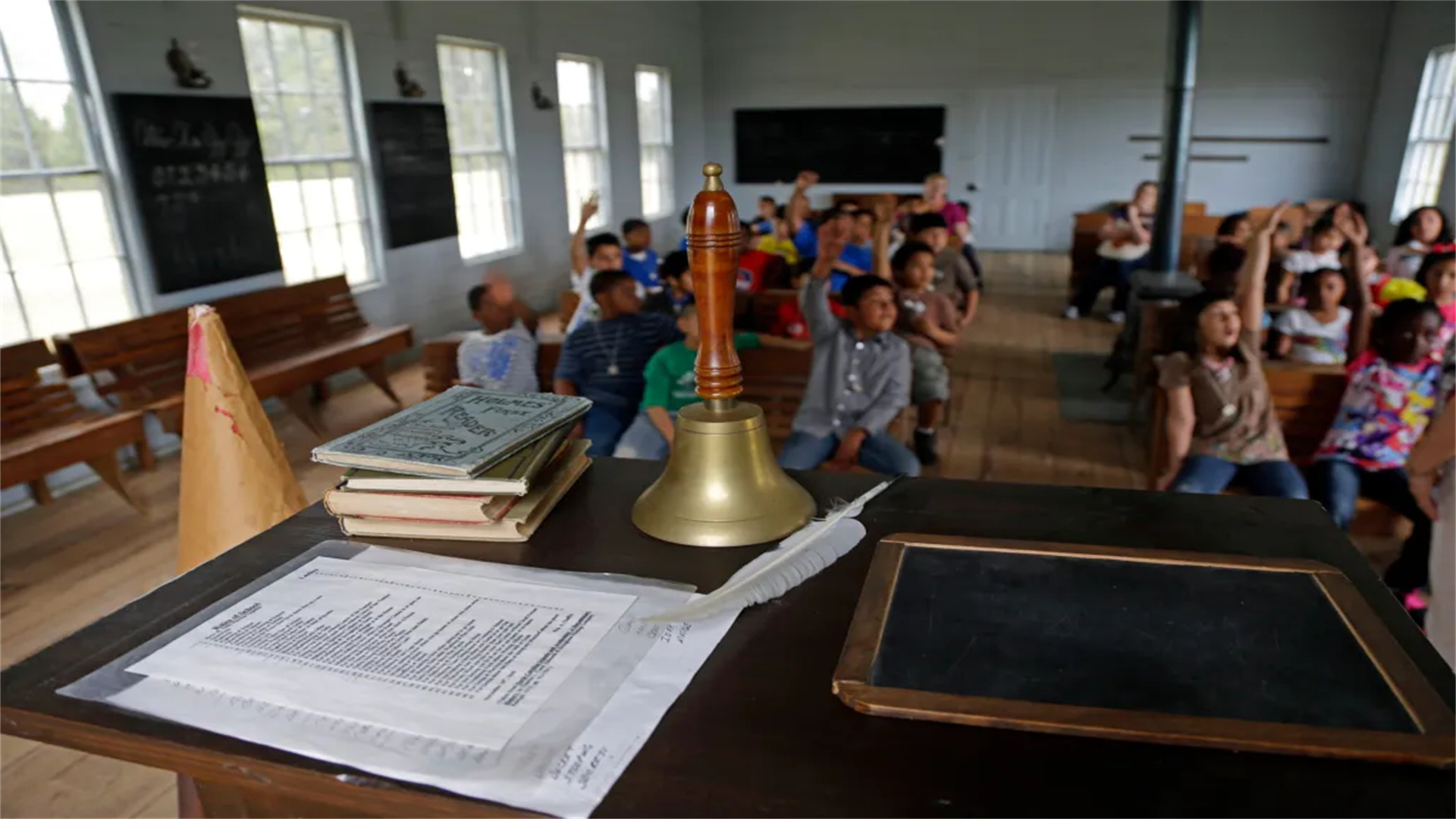
3.🌱Cultivating Agency and Real-World Impact: Project-Based & Entrepreneurial Learning
Beyond specific institutions, a core philosophy driving elite choices is learning through creating and problem-solving. Schools that prioritize project-based learning (PBL), maker spaces, and entrepreneurial ventures are highly sought after.
🔨 Maker Mindsets and "Hard Fun"
Schools like Brightworks (in San Francisco) or programs within others are built around the idea of "hard fun." Students undertake ambitious, interdisciplinary projects—building furniture, coding robots, making documentaries. This develops resilience, practical skills, and the understanding that complex problems require sustained effort and iteration, mirroring the startup journey.
💡 Entrepreneurship from an Early Age
Curriculum elements that teach design thinking, financial literacy, and lean startup methodologies are prized. Students might be tasked with identifying a community problem and developing a viable product or service solution. This aligns perfectly with the Silicon Valley creed that individuals can and should change the world through innovation and venture creation.
🤝 Community and Global Problem-Solving
Projects are often tied to local or global issues—sustainability, social justice, public health. This connects learning to real-world impact, fostering a sense of agency and ethical responsibility. It answers the parental desire for children to be not just smart, but also purposeful and engaged citizens.

4.❤️The Whole-Child Emphasis: Social-Emotional Learning (SEL) and Mindfulness
Counter to the stereotype of pure technocracy, there is a profound emphasis on the non-cognitive aspects of development. Aware of the pressures and mental health crises in their own ecosystem, Silicon Valley parents actively seek schools that prioritize wellbeing.
🧠 Mindfulness and Emotional Regulation
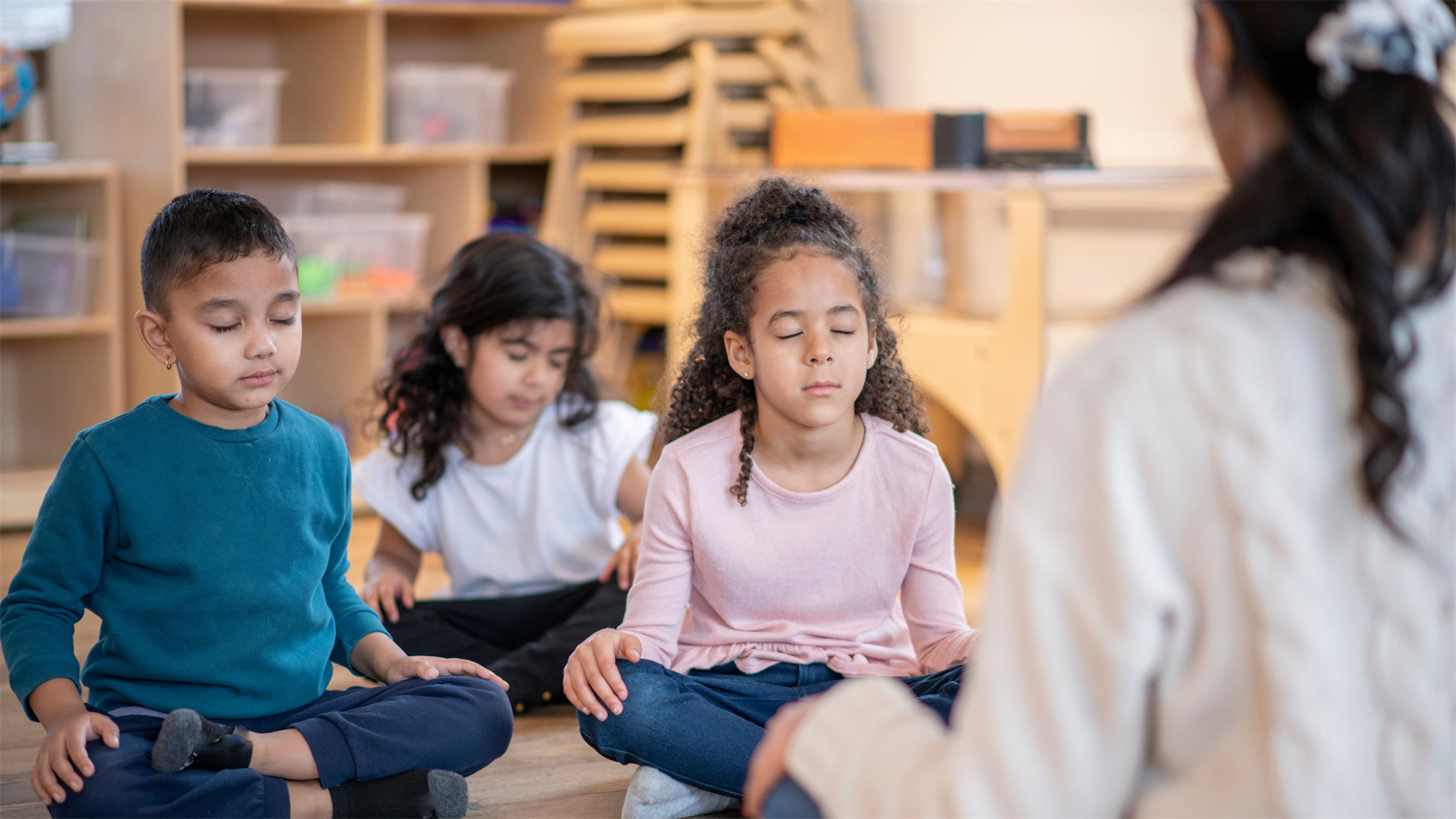
Daily mindfulness practices, meditation, and explicit teaching of emotional intelligence are common features. Schools might use apps or curricula like RULER or MindUP. The goal is to equip children with tools to manage stress, build focus, and develop self-awareness—skills considered critical for long-term success and happiness in a high-pressure world.
🤲 Building Resilience and Grit
Beyond academic failure, there is a focus on building psychological resilience. Learning environments are designed to be "fail-safe," where mistakes are treated as learning opportunities. Educators explicitly teach and model grit, perseverance, and a growth mindset, concepts popularized by Stanford psychologist Carol Dweck, which resonate deeply in the performance-oriented Valley culture.
🗣️ Democratic Governance and Conflict Resolution
Some progressive schools feature student councils, community meetings, and peer-led conflict resolution. This teaches leadership, communication, and negotiation skills, preparing children to navigate complex social dynamics and organizational structures—essential for future leaders and founders.
5. 🔄 The Rejection of the "Conveyor Belt": Alternatives, Homeschooling, and Unschooling
For some, even innovative private schools are too institutional. The most radical departure is opting out of formal schooling altogether, embracing models that maximize autonomy and self-directed learning.
🏡 High-Tech, Cohort-Based Homeschooling
This is not homeschooling in isolation. Networks like "Synthesis," inspired by SpaceX's experimental school, or local homeschool pods bring together groups of children. They often use a blend of online platforms (for mastery of basics like math), expert-led workshops, and group projects. Parents pool resources to hire specialized tutors for subjects like robotics or creative writing.
🌿 Unschooling and Interest-Led Learning
Unschooling takes child-led learning to its logical conclusion, rejecting a standardized curriculum entirely. Learning emerges from the child's passions, whether it's dinosaur paleontology, Python programming, or novel writing. Tech-savvy parents facilitate this by providing resources, mentors, and access to communities (online and offline). This model demands immense trust in the child's innate curiosity and the learning process itself.
📚 The Role of Technology as Enabler
In these models, technology is the ultimate enabler. Platforms like Khan Academy, Outschool, Brilliant, and Coursera provide world-class content. Communication tools coordinate pod schedules and connect with remote mentors. This allows for a completely customized "education stack," assembled by parents and learners, reflecting the ultimate in personalization and market-based choice.

Conclusion: A Blueprint for the Future or a Privileged Bubble?
The educational pursuits of Silicon Valley elites paint a vivid picture of their values: intense personalization, technological leverage, academic intensity balanced with emotional intelligence, real-world relevance, and above all, agency—for the learner and the parent. They are investing in models that treat education as a customizable product, a platform for development, and a precursor to impact. While these experiments, from Stanford OHS to AltSchool-inspired pods, generate exciting innovations and highlight flaws in the industrial-era school model, they also raise critical questions. Are these models scalable and equitable, or do they simply create a wider opportunity gap? Do they prepare children for a shared societal future, or for life in a rarefied, high-performing bubble? The answer likely lies in whether the innovations pioneered in this privileged laboratory can be adapted to benefit a much broader population, or if they remain the exclusive finishing school for the next generation of disruptors. The Silicon Valley elite's classroom, therefore, is not just about their children's future; it's a live prototype for the ongoing, and deeply contentious, re-imagination of education itself.
You May Have Missed

5 Steps to Build an Efficient "Classroom Learning Loop"
The Classroom Learning Loop is a dynamic, iterative educational framework designed to optimize teaching and learning through continuous cycles of planning, instruction, assessment, and reflection. Rooted in pedagogical theories such as Kolb's experiential learning and the Plan-Do-Check-Act (PDCA) model, this approach transforms traditional linear teaching into a responsive system that adapts to student needs in real time.

7 Golden Questioning Phrases in Family Education
Family education transcends mere knowledge transfer; it is a dynamic process that cultivates critical thinking, emotional intelligence, and resilient relationships. At its heart lies the art of questioning—a tool that, when wielded with intentionality, can unlock a child's potential and foster a nurturing home environment.
The Core of the IB (International Baccalaureate) Curriculum is Not Just "Difficult"
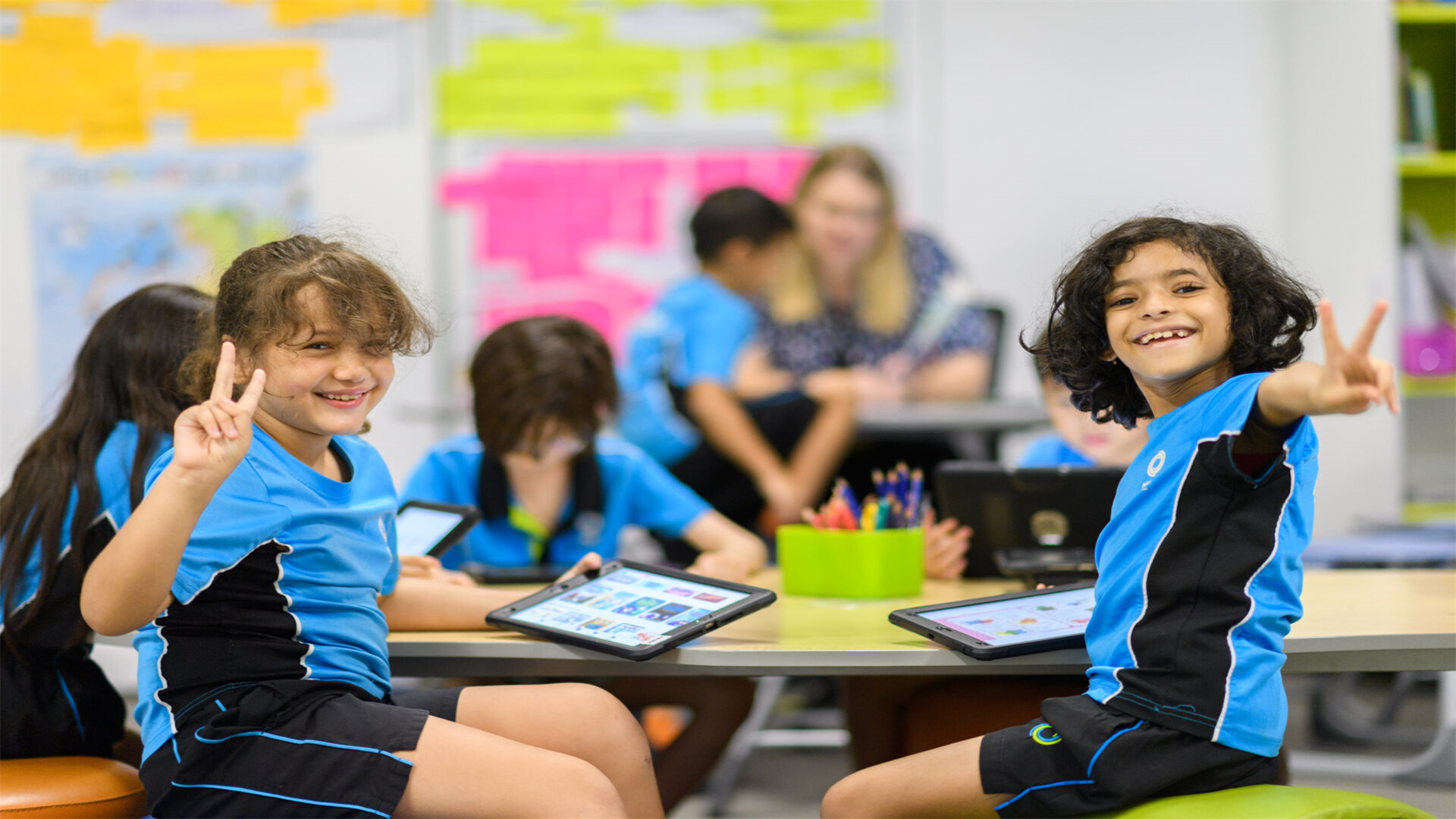
The International Baccalaureate (IB) Diploma Programme, established in 1968, has grown into a globally recognized educational framework offered in over 5,000 schools across 150 countries. It is frequently described as one of the most demanding pre-university curricula, often compared to Advanced Placement (AP) or A-Levels. This reputation for rigor leads many to equate the IB with sheer academic difficulty, focusing on its challenging assessments and broad subject requirements. However, such a narrow view obscures the program's foundational philosophy. The core of the IB is not merely about being "hard"; it is about fostering holistic development, critical inquiry, and global citizenship. This article explores the essential components that define the IB experience, drawing insights from international educational discourse to reveal how it prepares students for university, career, and life beyond exams. By examining the IB Learner Profile, core elements, curriculum structure, and outcomes, we will demonstrate that the program's true value lies in its integrated approach to education, which transcends traditional metrics of difficulty.
We focus on sharing high-quality original content covering diverse fields such as technology & digital, life essays, and practical useful tips. We polish every article with care to bring you a warm and in-depth reading experience. Explore more interesting new knowledge only at FunLab666.