
Up-to-Date Children's Safety Lessons
In an era defined by rapid technological advancement and evolving social dynamics, the concept of child safety has expanded far beyond "stranger danger" and looking both ways before crossing the street. Today's children navigate a complex digital landscape, face nuanced social pressures, and require a more sophisticated understanding of personal boundaries and consent. Up-to-date safety lessons are not about instilling fear, but about empowering children with the knowledge, skills, and confidence to recognize risks, make smart choices, and seek help when needed. This comprehensive guide outlines essential, modern safety education that addresses the realities of the 21st-century child, moving from the playground to the smartphone with practical, age-appropriate strategies for parents, caregivers, and educators.
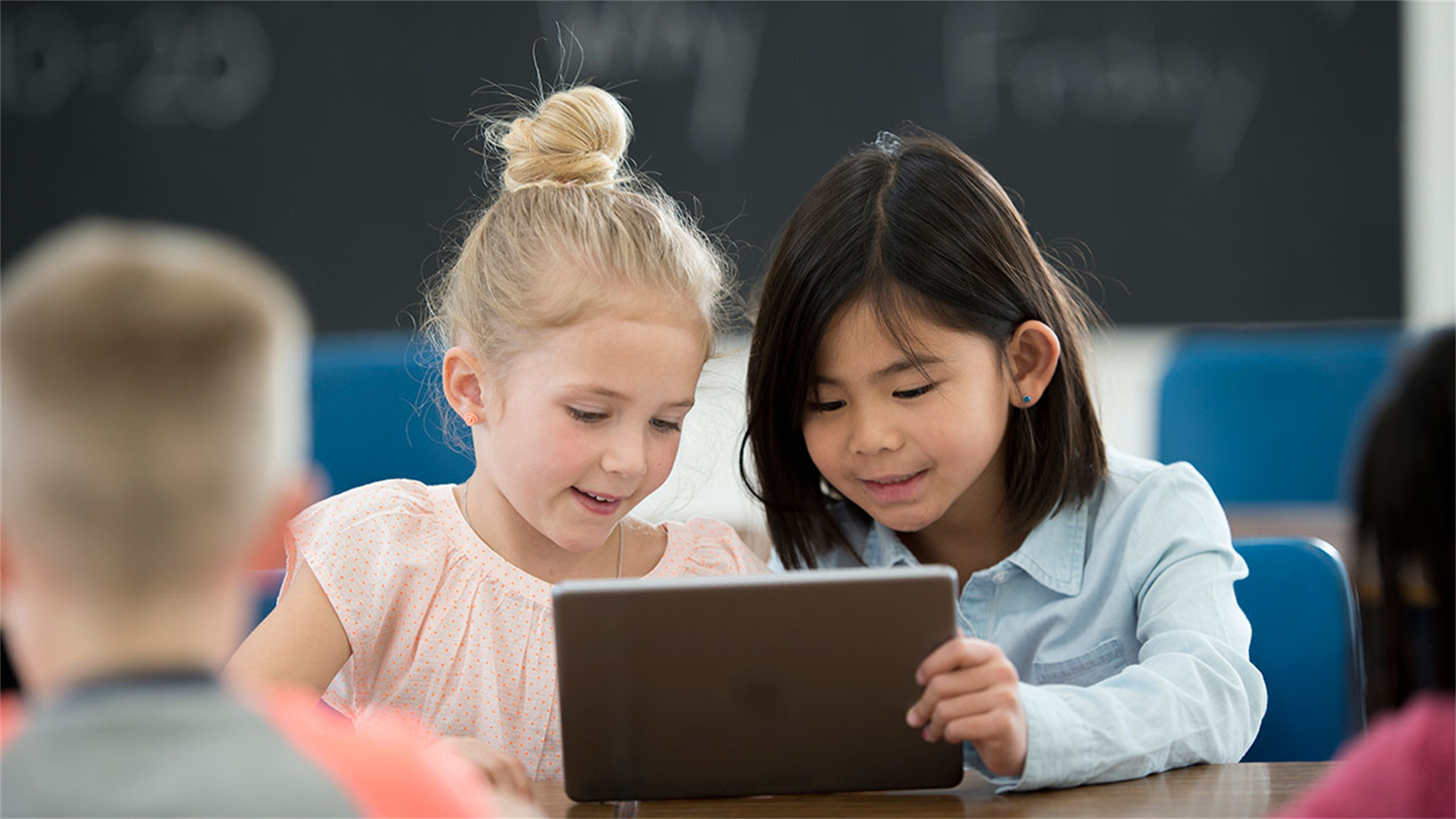
1. 🌐 Digital & Online Safety: Navigating the Virtual Playground
The internet is an integral part of children's lives, offering education, connection, and entertainment. However, it also presents unique risks. Modern safety lessons must equip children to be responsible digital citizens.
🔐 Privacy and Personal Information Protection
Teach children that personal information is valuable and private. This includes full names, addresses, phone numbers, school names, birthdates, and photos. Use the "Street Rule": would you share this information with a stranger on the street? If not, don't share it online. Explain how data can be collected through games, apps, and websites. Practice creating strong, unique passwords together and emphasize never sharing them, even with friends.
🚩 Recognizing and Reporting Online Risks
Children should learn to identify red flags: requests for personal information or photos, pressure to keep secrets from parents, offers that seem too good to be true, and messages that make them feel uncomfortable, scared, or confused. Empower them with clear reporting pathways—whether using the report button on an app, screenshotting the concern, and immediately telling a trusted adult. Normalize this conversation so they don't fear getting in trouble for coming forward.
🤝 Cyberbullying and Digital Etiquette
Safety isn't just about external threats; it's also about fostering a respectful online environment. Discuss what cyberbullying looks like (hurtful messages, exclusion, sharing embarrassing photos) and its serious impact. Teach the "THINK" filter before posting: Is it True? Helpful? Inspiring? Necessary? Kind? Equally important, instruct children on how to be an "upstander"—supporting peers who are being bullied and reporting harmful behavior, rather than being a passive bystander.
⚖️Balancing Screen Time and Digital Wellness
Safety encompasses physical and mental health. Discuss the importance of balancing online and offline activities. Encourage regular breaks using the 20-20-20 rule (every 20 minutes, look at something 20 feet away for 20 seconds). Create family media plans that include tech-free zones (like bedrooms) and times (like during meals). Talk about how curated social media feeds can distort reality and impact self-esteem.
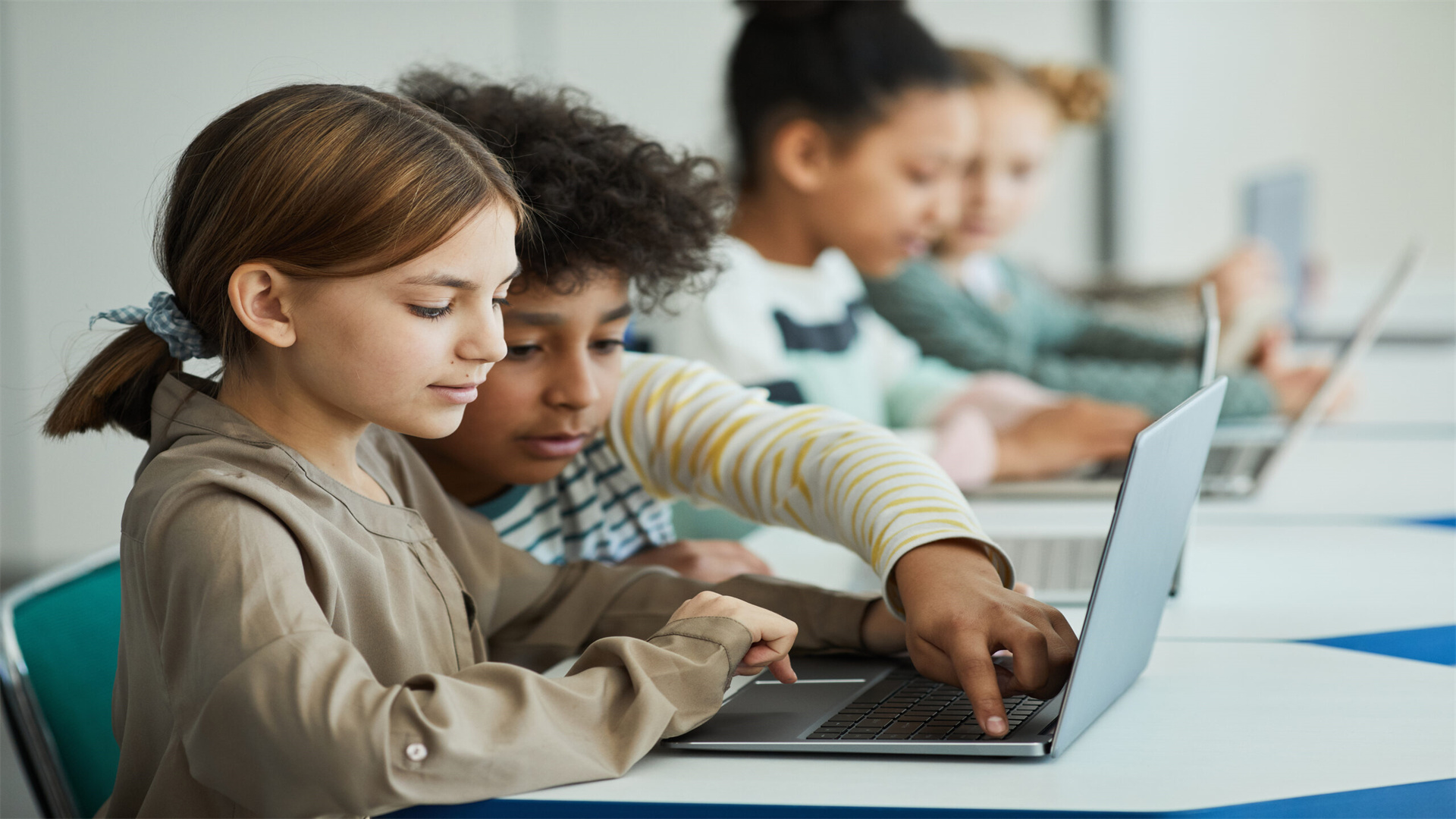
2. 👫 Personal Safety & Consent: Boundaries in Physical and Social Spaces
This foundational area has evolved to emphasize body autonomy, emotional intelligence, and clear communication from a very young age.
✋Body Autonomy and Consent Culture
The lesson starts early: "Your body belongs to you." Teach children they have the right to say "no" to any touch—hugs, kisses, tickles—even from relatives, if it makes them uncomfortable. Conversely, teach them to ask for consent ("Can I give you a hug?") and to respect a "no." Frame consent beyond touch, applying it to borrowing possessions or entering personal space. This builds a framework for understanding healthy relationships later in life.
🔍 "Tricky People" vs. "Stranger Danger"
The old model is outdated. Most harm to children comes from people they know. Instead of fearing all strangers (who could be helpful in an emergency), teach children to identify "tricky behavior." A "tricky person" might ask a child for help (adults should ask other adults), tell them to keep a secret from parents, or make them feel uncomfortable. Role-play scenarios focusing on the behavior, not the person's appearance.
🗺️ Safety in Public and "What-If" Drills
Prepare children for public spaces without causing anxiety. Establish a family safety plan: what to do if they get separated in a store (find an employee with a name tag or go to a designated meeting spot). Practice projecting confidence: walking with purpose, making eye contact, and using a strong voice. Teach them to trust their gut instinct—if a situation feels wrong, it's okay to yell, run, and find a safe adult, like a parent with other children.
📞 Safe Adults and Trust Networks
Help children identify their "Safety Circle" or "Trust Network"—a short list of 3-5 adults they can go to with *any* problem, no matter what. These are people they see regularly and feel safe with (e.g., parents, a teacher, a grandparent, a coach). Ensure they have contact information memorized or stored securely. Stress that secrets that make them feel scared or yucky should *never* be kept from adults in their Trust Network.
3. 🧠 Emotional & Psychological Safety: Building Resilience
True safety includes feeling secure in one's emotions and mental well-being. Children need tools to manage stress, identify feelings, and build inner strength.
🎭 Identifying and Expressing Emotions
Children can't manage what they can't name. Use emotion charts, books, and daily check-ins ("I feel happy like a sunny day, or a little grumpy like a cloud") to build emotional vocabulary. Validate all feelings ("I see you're frustrated that the tower fell") while guiding appropriate expression (it's okay to feel angry, but it's not okay to hit). This helps children understand their internal states and communicate needs before reaching a crisis point.
🛡️ Managing Anxiety and Stress
Teach simple, evidence-based coping skills. Practice "belly breathing" (inhaling deeply through the nose, exhaling slowly through the mouth). Introduce mindfulness through short guided meditations or sensory exercises (listening for five sounds, noticing five things they can see). Encourage physical outlets like dancing, running, or yoga. Model your own healthy stress management and talk about it openly.
🏠 Creating a Safe Haven at Home
Psychological safety is rooted in a home environment where children feel heard, accepted, and free from excessive criticism or shame. Practice active listening without immediately jumping to solutions. Use family meetings to discuss issues democratically. Establish predictable routines, which provide a sense of security. Most importantly, ensure children know that your love and support are unconditional, not based on achievements or "good" behavior.
🆘 Asking for Help as a Sign of Strength
Combat the stigma around mental health. Normalize seeking help by comparing it to seeing a doctor for a physical illness. Explain that counselors, therapists, and psychologists are "feelings doctors" or "brain coaches" who teach helpful skills. Share age-appropriate stories of people (even characters from their favorite shows) who asked for and benefited from help.
4. 🚒 Emergency Preparedness & First Aid: Knowledge is Power
Equipping children with practical skills for emergencies reduces panic and empowers them to take potentially life-saving action.
📞 Mastering Emergency Services
Ensure children know how to contact emergency services. Practice dialing the number (112 in the EU, 911 in the US/CA, 000 in AU, etc.) on a disconnected phone. Teach them to speak clearly: state their name, address, and the type of emergency ("My mom fell and isn't waking up"). Role-play different scenarios so they can practice staying calm and answering the dispatcher's questions. Explain *when* to call—for serious injuries, fire, or when an adult is unresponsive.
🩹 Basic First Aid for Kids
Teach age-appropriate skills. Young children can learn to apply pressure to a bleed, get an ice pack for a bump, and find an adult. Older children can learn to properly clean and bandage a minor cut, recognize the signs of an allergic reaction, and assist someone who is choking (by calling for help). Consider a certified first aid course for families. The focus should be on "do your best and get an adult," not taking on undue responsibility.
🔥 Fire and Natural Disaster Safety
Go beyond "stop, drop, and roll." Create and practice a detailed home fire escape plan with two ways out of every room and a designated outdoor meeting spot. Teach children to test doors for heat with the back of their hand before opening and to crawl low under smoke. For natural disasters common to your area (earthquakes, tornadoes, hurricanes), practice drills like "Drop, Cover, and Hold On." Use reputable resources from organizations like the Red Cross to guide your plans.
💊 Medicine and Household Chemical Safety
Always store medicines, vitamins, and cleaning products locked away and out of sight. Use the moment to teach: "Medicine is not candy. Only a trusted adult gives you medicine." For older children, explain the dangers of misusing prescription drugs or experimenting with substances found at home. Teach them to read product labels for hazard symbols.
5. 🤝 Community & Social Safety: Thriving in Groups
Safety extends into the child's social world, including school, extracurricular activities, and peer relationships.
🏫 School Safety and Advocacy
Discuss safety protocols at their school (lockdowns, evacuations). Encourage children to be aware of their environment and to report anything unusual—an unlocked door, a strange car, or concerning behavior from peers—to a teacher or school resource officer. Empower them to advocate for themselves academically and socially, and to know the school's policies on bullying and harassment.
⭐Safe Participation in Sports and Activities
Emphasize the importance of proper gear, hydration, and listening to coaches for physical safety. Crucially, discuss emotional safety: a good coach encourages, doesn't yell or shame. Teach children that their well-being is more important than winning. The "No Secrets" rule is paramount in team settings; any adult who asks them to keep a secret is violating safety rules.
👥 Peer Pressure and Healthy Friendships
Equip children to handle peer pressure. Role-play ways to say "no" confidently ("Nah, not for me," "I'm good, thanks," or "My parents would ground me forever"). Discuss the qualities of a healthy friend (kind, respectful, trustworthy) versus an unhealthy one (bossy, mean, pressuring). Encourage them to trust their feelings—if a friendship consistently makes them feel bad about themselves, it's okay to distance and find new friends.
🌍 Cultural Awareness and Respectful Communication
In our global society, safety includes feeling respected for one's identity and respecting others. Teach open-minded curiosity about different cultures, abilities, and family structures. Discuss how words can hurt and the importance of inclusivity. A safe community is one where every child feels they belong.
Conclusion: An Ongoing Conversation of Empowerment 🛡️
Modern children's safety lessons are not a one-time lecture but an ongoing, open dialogue that adapts as your child grows and the world changes. It's a blend of practical skills, emotional coaching, and critical thinking, all delivered within a framework of trust and empowerment. By moving beyond fear-based rules and toward education that builds confidence and competence, we give children the best tools possible: the ability to assess situations, listen to their intuition, and make choices that protect their well-being in both physical and digital worlds. Start the conversation early, revisit it often, and create a family culture where safety is synonymous with strength, awareness, and mutual care. The goal is not to wrap them in bubble wrap, but to prepare them to spread their wings wisely and resiliently.
You May Have Missed

How to Cultivate Scientific Thinking in Children in Daily Life
In a world driven by innovation and discovery, scientific thinking is no longer a skill reserved for the lab coat-clad researcher. It is a fundamental mode of inquiry, a toolkit for understanding the world that empowers children to become curious, critical, and resilient problem-solvers. Contrary to popular belief, cultivating this mindset doesn't require expensive kits or a PhD; it flourishes through intentional yet playful integration into the fabric of daily life. Scientific thinking involves observation, questioning, hypothesizing, experimenting, and analyzing—processes that can be naturally woven into meals, playtime, walks, and even chores. This guide will explore practical, accessible strategies to transform everyday moments into fertile ground for nurturing the young scientist within your child, fostering a lifelong love for learning and exploration.
Pediatrician-Recommended 3-Dimensional Promotion Plan of "Nutrition + Sleep + Exercise" and Key Indicator Monitoring
In the journey of child development, parents and caregivers are often presented with a wealth of information, sometimes contradictory, on how best to support their child's growth. Navigating this landscape can be daunting. Pediatricians worldwide emphasize that optimal growth isn't about focusing on a single facet but rather about nurturing a harmonious ecosystem within the child. This holistic approach crystallizes into three foundational pillars: Nutrition, Sleep, and Exercise. These elements are deeply interconnected; each one influences and strengthens the others, creating a synergistic effect on a child's physical health, cognitive function, emotional regulation, and social skills. A deficit in one area can undermine the benefits of the other two. Therefore, a coordinated, three-dimensional promotion plan is not just beneficial—it's essential. This article outlines a pediatrician-recommended framework for integrating these pillars into daily life, complemented by a practical guide on monitoring key indicators to ensure your child is thriving on their unique path.
9 Social Development Strategies to Help Children Integrate into Groups
For many children, navigating the complex world of peer relationships can be a daunting challenge. Integrating into a group, whether at school, in extracurricular activities, or in the neighborhood, is a critical aspect of social development. It's more than just making friends; it's about learning to cooperate, communicate, empathize, and find one's place within a social structure. These skills are foundational for emotional well-being, academic success, and long-term happiness. Parents, caregivers, and educators often wonder how they can best support children in this journey. The process isn't about forcing popularity but about equipping children with the tools and confidence to form genuine, healthy connections. This article outlines nine concrete, actionable strategies drawn from child psychology and educational best practices to help children successfully integrate into social groups and thrive within them.
We focus on sharing high-quality original content covering diverse fields such as technology & digital, life essays, and practical useful tips. We polish every article with care to bring you a warm and in-depth reading experience. Explore more interesting new knowledge only at FunLab666.