
Understanding 4 Key Nodes in Blood Glucose Charts and 3 Dietary Adjustment Techniques
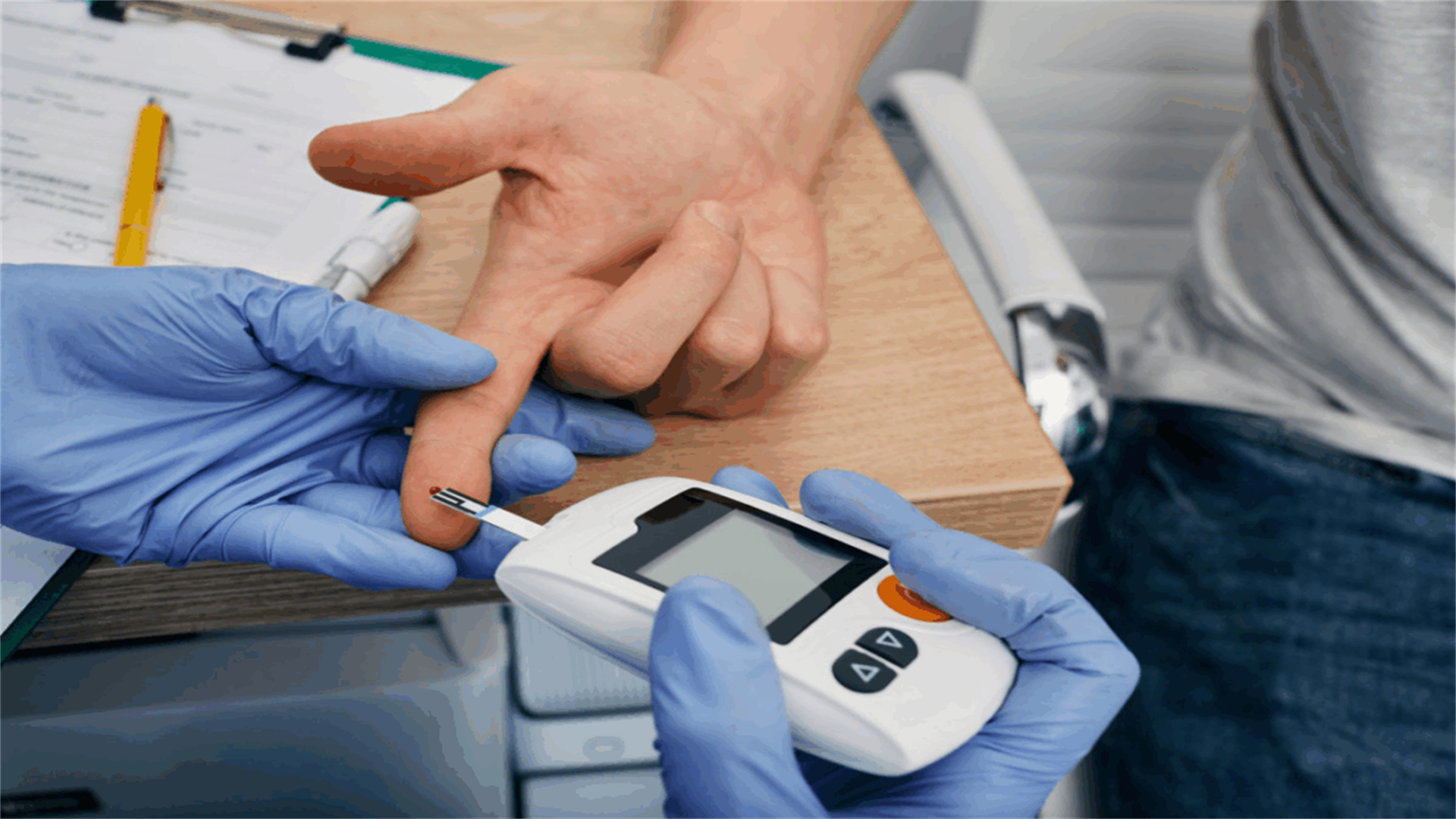
For individuals managing diabetes or prediabetes, the blood glucose chart is more than just a log of numbers—it is a crucial roadmap to health. It tells the story of how your body responds to food, activity, medication, and stress. By learning to interpret the key nodes or timepoints on this chart, you can move from passively recording data to actively shaping your metabolic outcomes. This knowledge, paired with strategic dietary adjustments, forms the cornerstone of effective blood sugar management. This article will decode four pivotal moments on a standard glucose chart and provide three practical, food-based techniques to help you stabilize your readings and enhance your overall well-being.
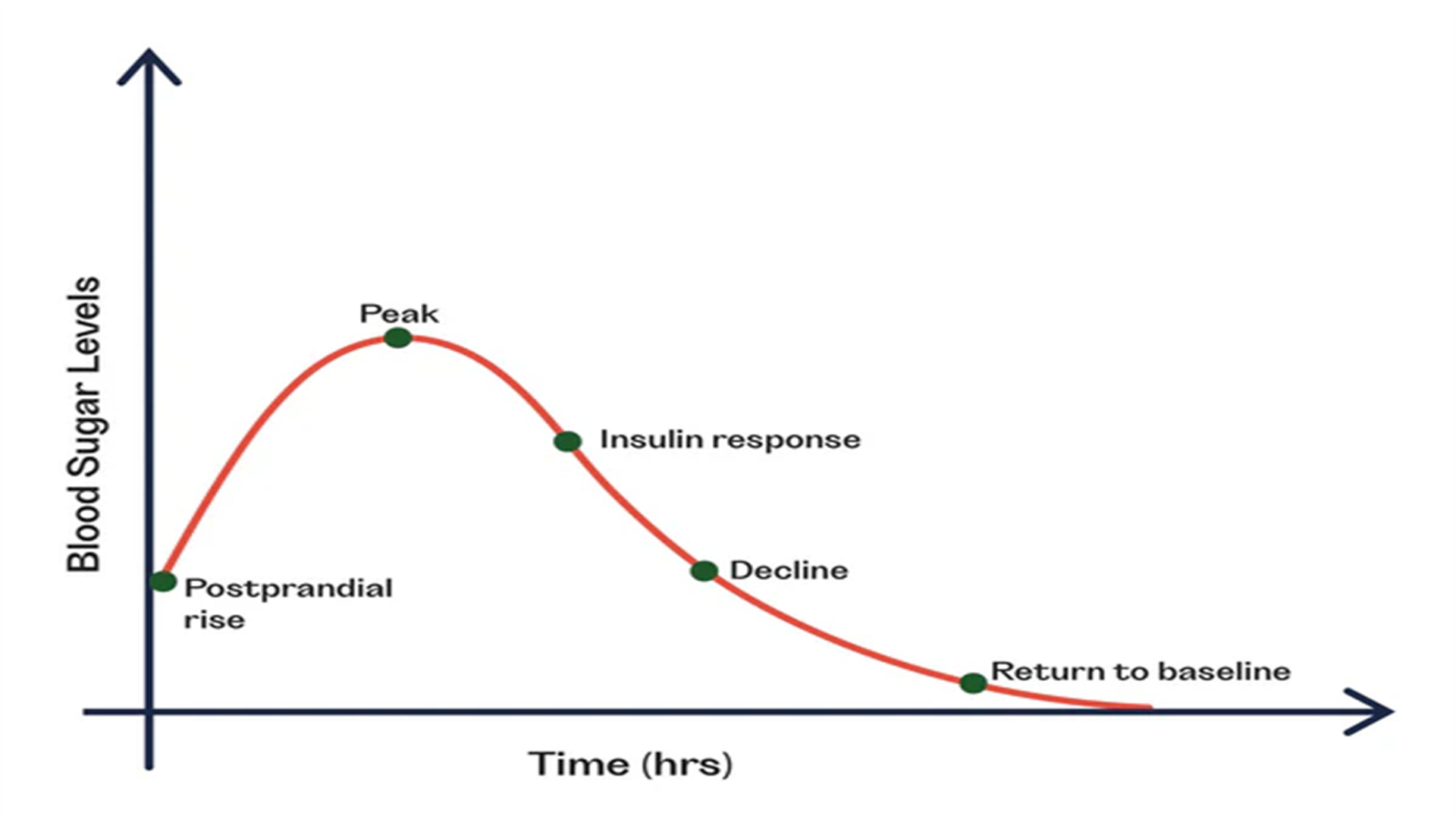
1. 🔍 The Four Critical Nodes on Your Blood Glucose Timeline
A typical daily glucose chart isn't a flat line; it's a dynamic landscape with peaks and valleys. Focusing on specific, strategic timepoints—rather than random checks—provides a clear picture of your metabolic control. Understanding what is happening at these nodes allows for targeted interventions.
📈 1. Fasting Blood Glucose (FBG): The Morning Benchmark
This is the reading taken first thing in the morning, after at least 8 hours of fasting. It reflects your baseline blood sugar and is heavily influenced by your liver's overnight glucose production (gluconeogenesis). A consistently high FBG suggests insulin resistance may be preventing your body from properly signaling the liver to stop glucose output. It sets the tone for the day and is a key indicator used in diabetes diagnosis.
🍽️ 2. Postprandial Glucose Peaks: The Meal Response
This refers to the highest point your blood sugar reaches, typically 1 to 2 hours after starting a meal. This node is critical for understanding how specific foods, food combinations, and portion sizes affect you personally. A sharp, high peak indicates a rapid influx of glucose, often from refined carbohydrates. Monitoring this helps tailor your diet to promote gentler, more manageable rises.
⬇️3. The Nadir (Low Point) & Reactive Hypoglycemia
The nadir is the lowest point your blood sugar reaches, often occurring before meals or several hours after eating. For some, especially after a high-carbohydrate meal, the body may overproduce insulin, leading to a sharp drop below baseline—this is reactive hypoglycemia. Symptoms can include shakiness, anxiety, and hunger. Identifying this node is essential to prevent overcorrection (eating too much) and to adjust meal composition for sustained energy.
🔄 4. Pre-Prandial (Before Meal) Levels: The Stability Gauge
Your blood sugar level right before you start eating a meal indicates how well your body has cleared glucose from the previous meal and returned to baseline. Ideally, pre-meal readings should be within a stable, target range. Consistently high pre-meal levels suggest that insulin sensitivity or medication timing may need adjustment, while low levels may indicate excessive insulin action from the prior meal or medication dose.

2. 🥗 Three Foundational Dietary Adjustment Techniques
Armed with insights from your glucose chart nodes, you can implement specific dietary strategies. The goal is not merely restriction but intelligent modification to create balanced, satisfying meals that support stable glucose levels.
🎯 1. The Plate Method & Carbohydrate Sequencing
This visual technique ensures balanced meals. Imagine your plate divided: fill half with non-starchy vegetables (leafy greens, broccoli, peppers), one-quarter with lean protein (chicken, fish, tofu, legumes), and one-quarter with high-fiber, complex carbohydrates (quinoa, sweet potato, beans). Research suggests "carbohydrate sequencing"—eating vegetables and protein *before* carbohydrates—can significantly blunt the post-meal glucose spike. The fiber and protein slow gastric emptying and the absorption of sugars.
🛡️ 2. Strategic Macronutrient Pairing
Never eat carbohydrates alone. Always pair them with protein, healthy fats, or fiber. For example, instead of an apple by itself, have it with a tablespoon of almond butter. The fat and protein in the nut butter slow down the digestion of the apple's natural sugars, leading to a more gradual rise in blood glucose. This technique transforms potentially problematic snacks and meals into blood sugar-friendly options.
⏱️3. Mindful Meal Timing & Consistent Carbohydrate Distribution
Erratic eating patterns can cause rollercoaster blood sugars. Aim for consistent, spaced meals and snacks. Avoid long periods of fasting followed by large, carbohydrate-heavy meals, which can trigger dramatic spikes. Distribute your carbohydrate intake evenly throughout the day based on your personal tolerance and activity level. For some, having a smaller, balanced snack (e.g., Greek yogurt with berries) in the late afternoon can prevent overeating at dinner and stabilize evening and fasting numbers.

3. 🔬 Putting It All Together: From Data to Action
The true power lies in connecting the dots between the chart nodes and your plate. For instance, if you notice high postprandial peaks after breakfast, apply Technique #1 (Plate Method) and #2 (Pairing) to your morning meal. Add spinach and mushrooms to your eggs, or have full-fat yogurt with nuts before your toast. If your pre-lunch reading is often low (a nadir), consider if your breakfast had too many quick carbs without enough sustaining protein/fat, and adjust using Technique #3. This cycle of observation, adjustment, and re-observation is the essence of personalized diabetes management.
4. 🧠 Beyond Food: The Holistic Support System
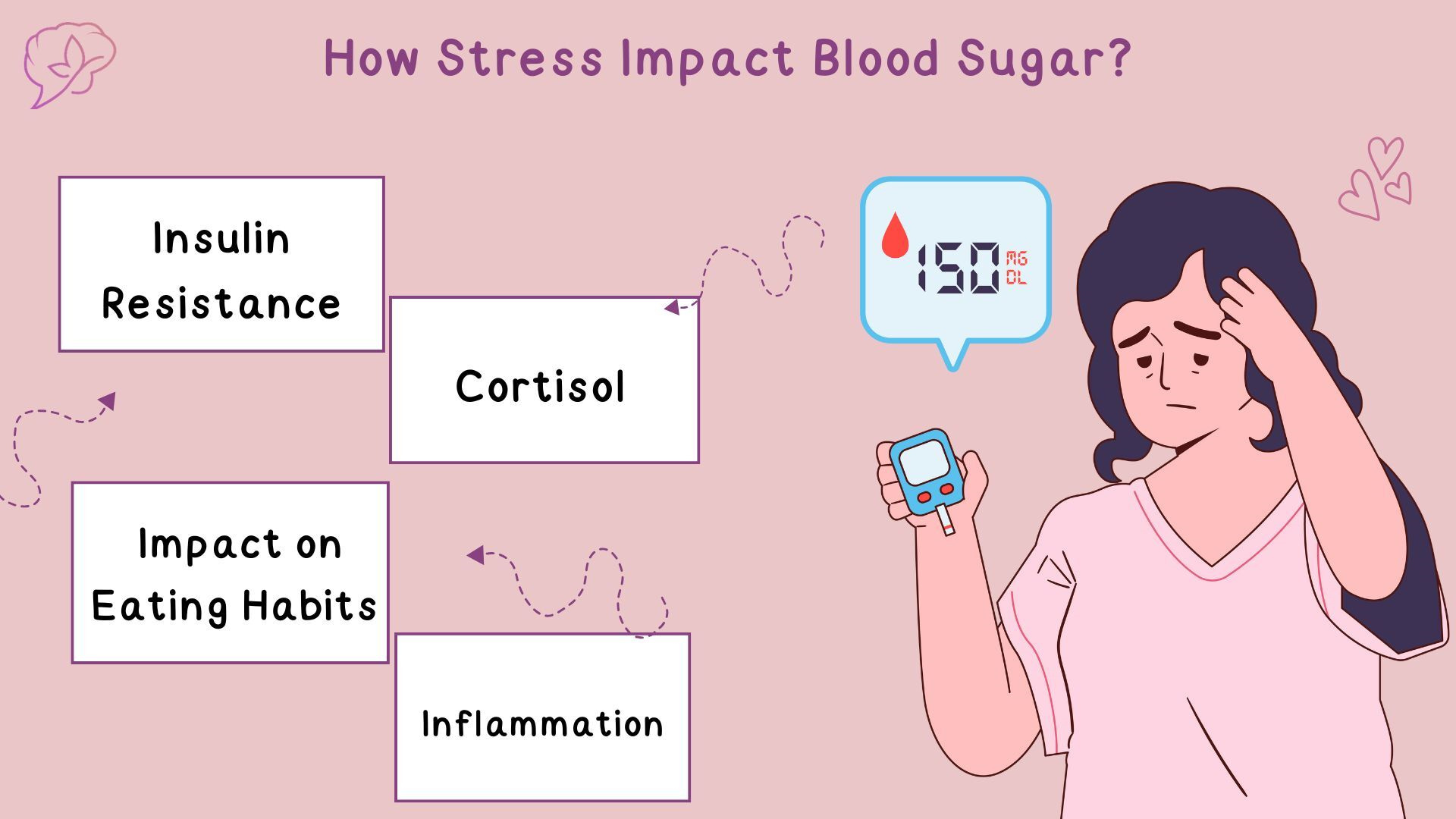
While diet is paramount, other lifestyle factors directly influence those key glucose nodes. Stress (cortisol) can raise blood sugar, impacting fasting and postprandial levels. Prioritizing sleep is non-negotiable, as poor sleep impairs insulin sensitivity. Regular physical activity, especially a combination of aerobic exercise (like walking) and resistance training, acts like a potent glucose-lowering medication by improving insulin sensitivity for hours afterward. View diet as the primary tool, supported by these other essential pillars for comprehensive control.

5.✅Conclusion: Empowering Your Metabolic Journey
Mastering your blood glucose chart is an act of empowerment. By focusing on the four key nodes—Fasting, Postprandial Peak, Nadir, and Pre-Meal levels—you gain specific, actionable insights into your unique metabolism. Coupling this data with the three dietary techniques of the Plate Method, Strategic Pairing, and Consistent Timing allows you to proactively smooth out the highs and lows. Remember, the objective is not perfection but pattern improvement and sustained well-being. Consistently applying these principles transforms the glucose chart from a report card into a powerful planning tool, putting you firmly in the driver's seat on your path to better metabolic health.
You May Have Missed

Should You Apply Heat or Cold Compress First After a Sprain?
Suffering a sprain—whether from a misstep on a hike, a twist on the basketball court, or an awkward landing—is a common and painful experience. In those first critical moments of injury, the decisions you make can significantly impact your recovery speed and comfort. One of the most universal pieces of advice is to use temperature therapy, but it often leads to confusion: Should you reach for the ice pack or the heating pad first? Using the wrong one at the wrong time can inadvertently increase swelling, pain, and prolong healing. This article cuts through the confusion by exploring the distinct physiological effects of heat and cold, providing a clear, step-by-step protocol based on established medical guidelines, and debunking common myths. Understanding the "why" behind the "what to do" empowers you to manage your injury effectively from the first sign of a sprain through to full recovery.

Psychiatrist Shares the "5-4-3-2-1" Grounding Technique for Relieving Anxiety
In our fast-paced, modern world, anxiety has become a near-ubiquitous experience. While a certain level of anxiety is a normal and even helpful human response, chronic or overwhelming anxiety can feel paralyzing, trapping individuals in a cycle of worry about the future or distress over past events. When anxiety strikes, the mind and body can feel disconnected from the present moment, lost in a storm of "what-ifs" and catastrophic thinking.

Not Doing These 5 Dynamic Stretches Before Exercise May Be a Waste of Time and May Lead to Injury!
When it comes to pre-exercise routines, many fitness enthusiasts often overlook the importance of dynamic stretching, opting instead for static stretches or skipping warm-ups altogether. However, scientific research and athletic training practices consistently highlight that dynamic stretching—active movements that take joints and muscles through their full range of motion—is crucial for priming the body for physical activity.
We focus on sharing high-quality original content covering diverse fields such as technology & digital, life essays, and practical useful tips. We polish every article with care to bring you a warm and in-depth reading experience. Explore more interesting new knowledge only at FunLab666.