
5 Underlying Principles and 3 Practical Tools for Scientific Memory
🧠 Introduction: Beyond Rote Repetition

For centuries, students, professionals, and lifelong learners have struggled with the same fundamental challenge: how to remember information effectively and efficiently. We've all experienced the frustration of studying for hours, only to draw a blank during an exam or a critical presentation. This common struggle has led to the pervasive use of ineffective techniques like passive re-reading, last-minute cramming, and rote repetition. However, cognitive psychology and neuroscience have unveiled a different path—one based on how our brains actually encode, consolidate, and retrieve information. Scientific memory is not about having a "photographic memory"; it's about working in harmony with the brain's innate architecture. This article distills decades of research into five core, evidence-based principles that govern lasting memory formation. Furthermore, we will translate these principles from theory into practice by exploring three powerful, actionable tools you can start using immediately to transform your learning. By understanding the "why" and the "how," you can move from guesswork to a strategic, reliable system for building deep, durable knowledge.
🔬 Part 1: The Five Pillars of Scientific Memory
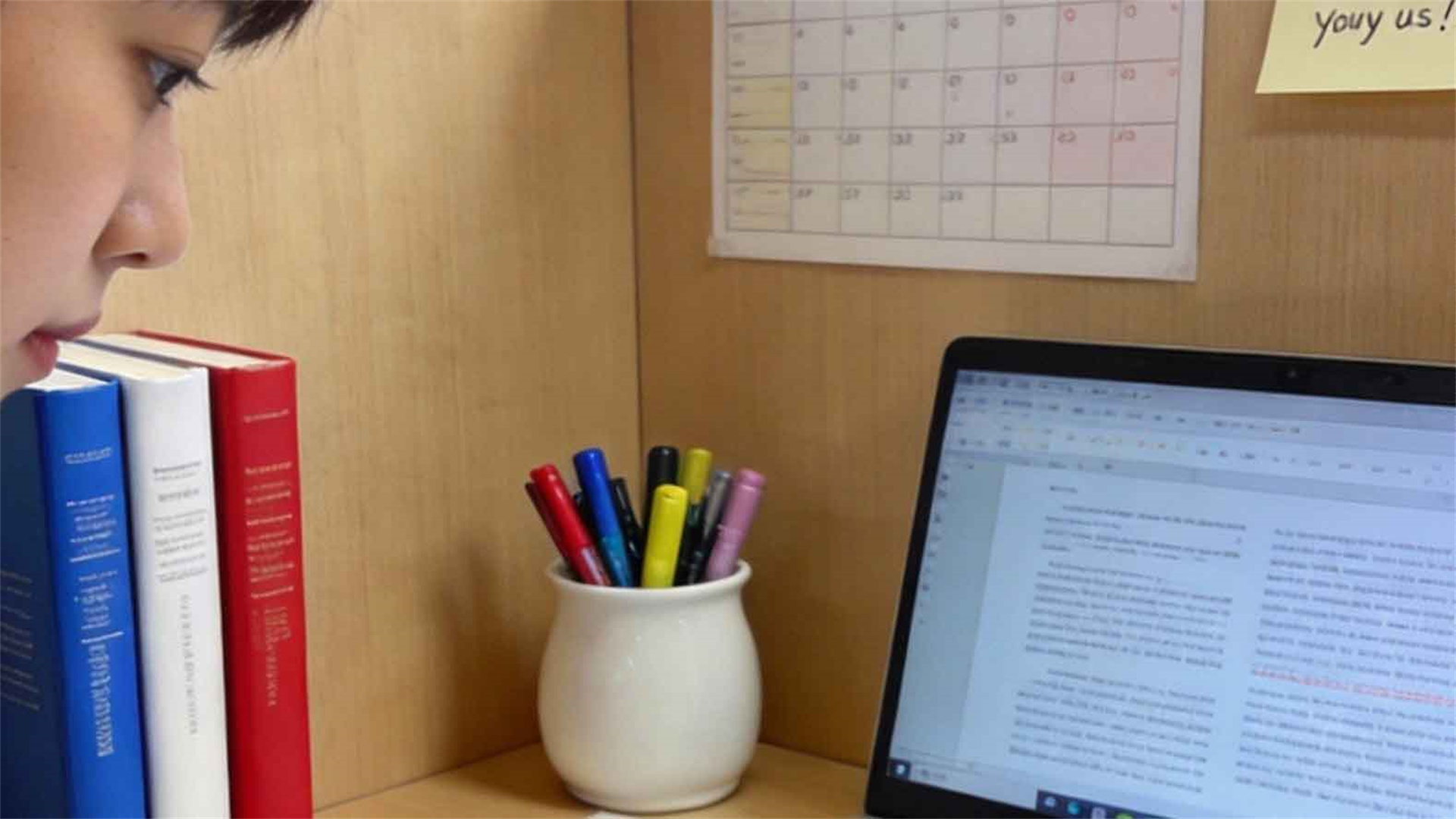
These principles form the non-negotiable foundation of effective learning. They are not quick hacks but fundamental truths about neurocognitive function. Ignoring them makes learning harder and less effective; leveraging them makes it more efficient and enduring.
1. 🕒 The Spacing Effect (Spaced Repetition)
The spacing effect is arguably the most robust and important finding in the science of learning. It states that information is more effectively remembered when study sessions are distributed over time rather than massed together in a single "cramming" session. This is because each time you encounter information after a forgetting curve has begun its descent, you trigger a powerful reconsolidation process in the brain. This process strengthens the neural trace and signals to the brain that this information is important and worth retaining for the long term.
How It Works: When you first learn something, the memory is fragile. Reviewing it shortly after (e.g., 10 minutes later) provides initial reinforcement. However, the real magic happens when you review it again just as you are *about* to forget it—perhaps a day later, then a week, then a month. Each successful retrieval at these expanding intervals dramatically flattens the forgetting curve. Cramming, in contrast, creates a steep spike of short-term familiarity that plummets rapidly, leaving little behind.
2.⚡The Testing Effect (Active Recall)

Passively reading notes or a textbook creates an illusion of competence. The information feels familiar as you look at it, but this does not equate to the ability to actively produce it from your own memory. The testing effect, or active recall, is the principle that the very act of retrieving information from memory—forcing your brain to search for and reconstruct it—is a profoundly potent learning event. A retrieval attempt, even an unsuccessful one, strengthens the pathways to that memory more than simply re-exposing yourself to the material.
Why It's Superior: Reading is an input process. Testing (self-quizzing, using flashcards, explaining without notes) is an output process. Output is cognitively effortful, and this effort is what builds strength. Every time you successfully recall a fact or concept, you are not just measuring your memory; you are upgrading it. Failed retrievals provide crucial feedback on what needs more focus, making your study time more targeted and efficient.
3. 🎯 Encoding Specificity
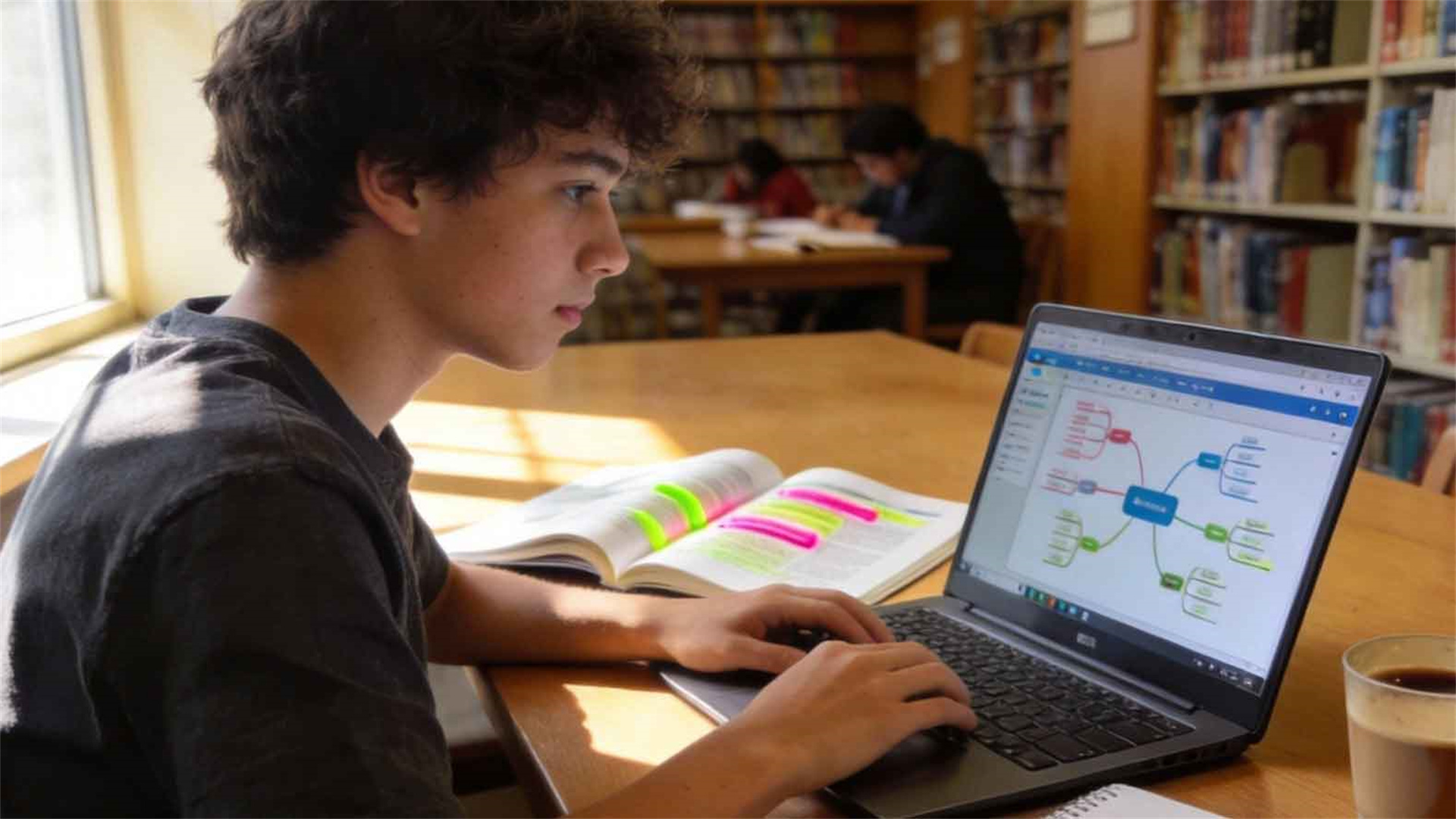
This principle posits that memories are intricately linked to the context in which they were formed. This "context" can be external (the physical room you studied in, the background music, even the smell) or internal (your emotional state, your physiological state, or the specific way you thought about the information during encoding). The implication is powerful: the more closely the retrieval context matches the encoding context, the easier recall will be.
Practical Implications: While it's impractical to replicate an exam hall during study, you can leverage this principle strategically. The key takeaway is to vary your study conditions (different rooms, different times of day) to create richer, more flexible memory traces that are less dependent on one specific cue. This builds "context-independent" memories that you can access anywhere. Furthermore, you can create specific cues, like using a distinct scent while studying and then smelling it again before a test, to trigger the associated memories.
4. 🔗 Elaborative Encoding
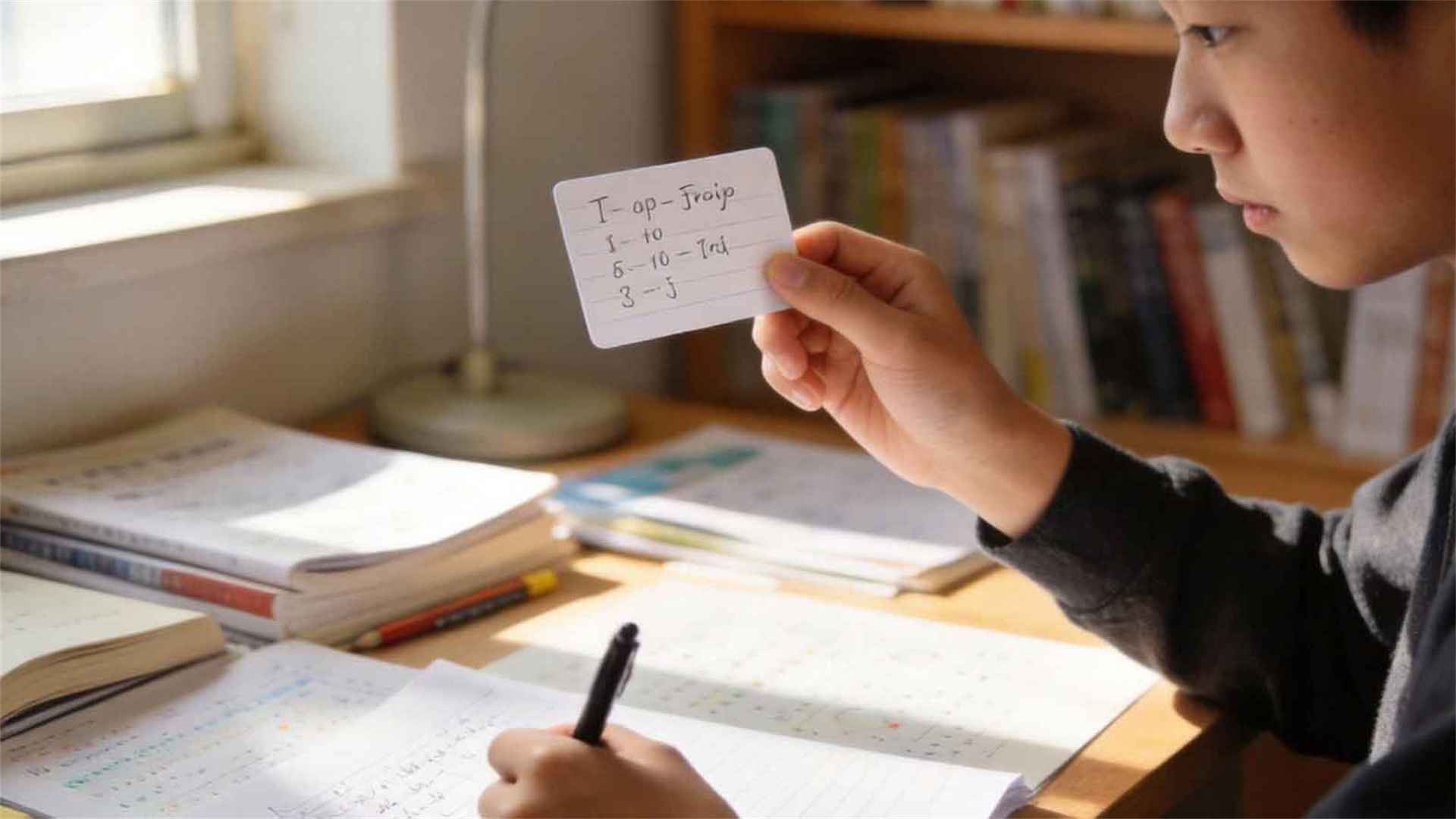
The depth at which you process information determines how well you remember it. Shallow processing (like memorizing a phone number by repetition) leads to weak memories. Deep, or elaborative, processing involves connecting new information to what you already know—to your existing web of knowledge, experiences, emotions, and senses. You are essentially giving the new information multiple "handles" or access points by weaving it into your pre-existing neural network.
Methods for Elaboration: This is where creativity meets learning. Ask "why" questions. Explain the concept in your own words, as if to a child. Draw a diagram linking it to related ideas. Relate a historical date to a personal event. Create a vivid, bizarre mental image to represent a dry fact. By generating personal meaning and multiple associations, you transform inert data into a living part of your understanding.
5. 💭 State-Dependent and Mood-Dependent Memory

Closely related to encoding specificity, this principle highlights that our internal state during learning becomes part of the memory itself. If you learn something while in a particular emotional state (e.g., calm, stressed, joyful) or physiological state (e.g., well-caffeinated, tired), you will recall it better when you are in a similar state. This is why you might walk into a room and forget why you came there—the change in physical context and mental state can disrupt retrieval cues.
Leveraging the Principle: While we cannot control all states, awareness is key. For high-stakes recall (like an exam or presentation), try to mimic the expected conditions in your practice. Practice while moderately alert and under mild time pressure if that's what you'll face. More importantly, understand that learning in a varied range of states can actually make memories more robust, as they become linked to a broader set of internal cues.
🛠️ Part 2: Three Practical Tools to Implement the Principles
Understanding the principles is only half the battle. The following tools are concrete methodologies designed to operationalize these scientific insights, turning theory into a daily practice that yields remarkable results.
1. 📱 Spaced Repetition Software (SRS): The Digital Memory Engine

Spaced Repetition Software is the ultimate technological implementation of the spacing effect and active recall. Programs like Anki, SuperMemo, and RemNote use intelligent algorithms to manage your review schedule. You create digital flashcards, and the software determines the optimal time to show you each card based on your previous performance. If you recall a card easily, it will schedule the next review further in the future (e.g., 10 days). If you struggle, it will show it again much sooner (e.g., tomorrow).
How to Use It Effectively: • Create concise, clear questions on the front and answers on the back. • Use the "cloze deletion" feature to create fill-in-the-blank cards for definitions or key terms. • Add images, diagrams, and even audio to leverage visual and auditory encoding. • Be disciplined and consistent with your daily reviews. The system only works if you trust the algorithm and do your scheduled cards every day. • Use it for everything from language vocabulary and medical facts to programming syntax and historical timelines.
Anki doesn't just help you remember; it builds a growing, permanent knowledge base that you retain with minimal daily effort, defeating the forgetting curve systematically.
2. 🗣️ The Feynman Technique: Mastery Through Simplification

Named after the Nobel Prize-winning physicist Richard Feynman, this technique is a powerful ritual for elaborative encoding and identifying gaps in understanding. Its core is the idea that if you cannot explain a concept simply, you do not truly understand it. The process forces deep processing and active recall in a structured way.
The Four-Step Process: Step 1: Choose & Study. Select a concept you want to master. Step 2: Teach It to a Child. Explain the concept on a blank sheet of paper, using the simplest language possible. Avoid jargon. Imagine teaching it to a 12-year-old. This step exposes what you truly know and where your explanations become fuzzy or reliant on complex terms. Step 3: Identify Gaps & Return to Source. When you get stuck, can't explain a step, or have to resort to complex language, that's a knowledge gap. Go back to your textbook, notes, or source material to study and clarify that specific point. Step 4: Simplify & Analogize. Refine your explanation. Create analogies, use simple diagrams, and streamline your language. Repeat the cycle until you have a concise, clear, and complete explanation from start to finish.
This tool transforms passive consumption into active construction, ensuring concepts are deeply integrated into your mental models.
3. 🏛️ The Memory Palace (Method of Loci): The Ancient Art of Spatial Memory

This is a mnemonic device dating back to ancient Greek and Roman orators, and it brilliantly leverages the brain's exceptional spatial and visual memory. The method involves visualizing a familiar place (your "palace"—like your home, your commute, or a childhood school) and mentally "placing" vivid images representing the items you want to remember along a specific journey through that location.
Step-by-Step Construction: 1. Choose Your Palace. Select a location you know intimately and can visualize in sharp detail. 2. Define a Specific Route. Establish a clear, consistent path through this location (e.g., start at the front door, walk to the kitchen, then the living room...). 3. Place Vivid, Bizarre Images. For each item on your list, create a striking, sensory-rich, and preferably absurd or humorous image. Then, mentally place that image at a specific "locus" (station) on your route. The more outrageous the image, the more memorable it will be. 4. Take the Mental Walk. To recall the list, simply retrace your steps through your palace. The familiar spatial cues will trigger the bizarre images, which in turn will cue the information they represent.
This tool is exceptionally powerful for ordered lists (like the steps of a process, speech points, or anatomical structures) and directly harnesses the power of visual and spatial elaboration, making abstract information concrete and memorable.
🌟 Conclusion: Building Your Personal Memory System

The journey to scientific memory is not about finding a single magic bullet but about constructing a coherent system based on immutable cognitive principles. The five pillars—Spacing, Active Recall, Encoding Specificity, Elaboration, and State-Dependency—provide the blueprint. The three tools—Spaced Repetition Software, the Feynman Technique, and the Memory Palace—provide the building materials and machinery.
The most effective approach is synergistic. Use Anki to cement vast amounts of factual knowledge through spaced, active recall. Employ the Feynman Technique to achieve deep conceptual mastery of complex subjects. Utilize the Memory Palace for specific, challenging lists or procedural information. By weaving these tools together, you create a resilient and adaptable learning ecosystem.
Start small. Pick one subject or skill. Apply one principle with one tool. Observe the dramatic difference in retention and understanding compared to your old methods. With consistent practice, these strategies will cease to be techniques you "use" and will become the fundamental way you learn. Empowered with this knowledge, you can approach any learning endeavor with confidence, knowing you have the science-backed strategies to turn effort into enduring mastery.
You May Have Missed

7 Golden Questioning Phrases in Family Education
Family education transcends mere knowledge transfer; it is a dynamic process that cultivates critical thinking, emotional intelligence, and resilient relationships. At its heart lies the art of questioning—a tool that, when wielded with intentionality, can unlock a child's potential and foster a nurturing home environment.

What Education Are Silicon Valley Elites Pursuing? From "Stanford Online High School" to "AltSchool"
In the heart of global technological innovation, Silicon Valley's elite—founders, VCs, and top engineers—are applying the same disruptive thinking to a fundamental aspect of life: their children's education. Dissatisfied with traditional models they perceive as slow, standardized, and ill-suited for the future, these parents are pioneering and patronizing a new wave of educational experiments. Their quest is not merely for prestigious names but for ecosystems that promise agility, deep personalization, and mastery of future-ready skills. This movement shifts the focus from institutional legacy to learner-centric experience, often leveraging technology not as a mere tool, but as an integral fabric of the learning environment. From the academically rigorous Stanford Online High School to the tech-infused, personalized model of AltSchool, the educational preferences of Silicon Valley's influential class reveal a blueprint for what they believe the "next generation" of learning must embody—and what they are willing to build or fund to realize it.
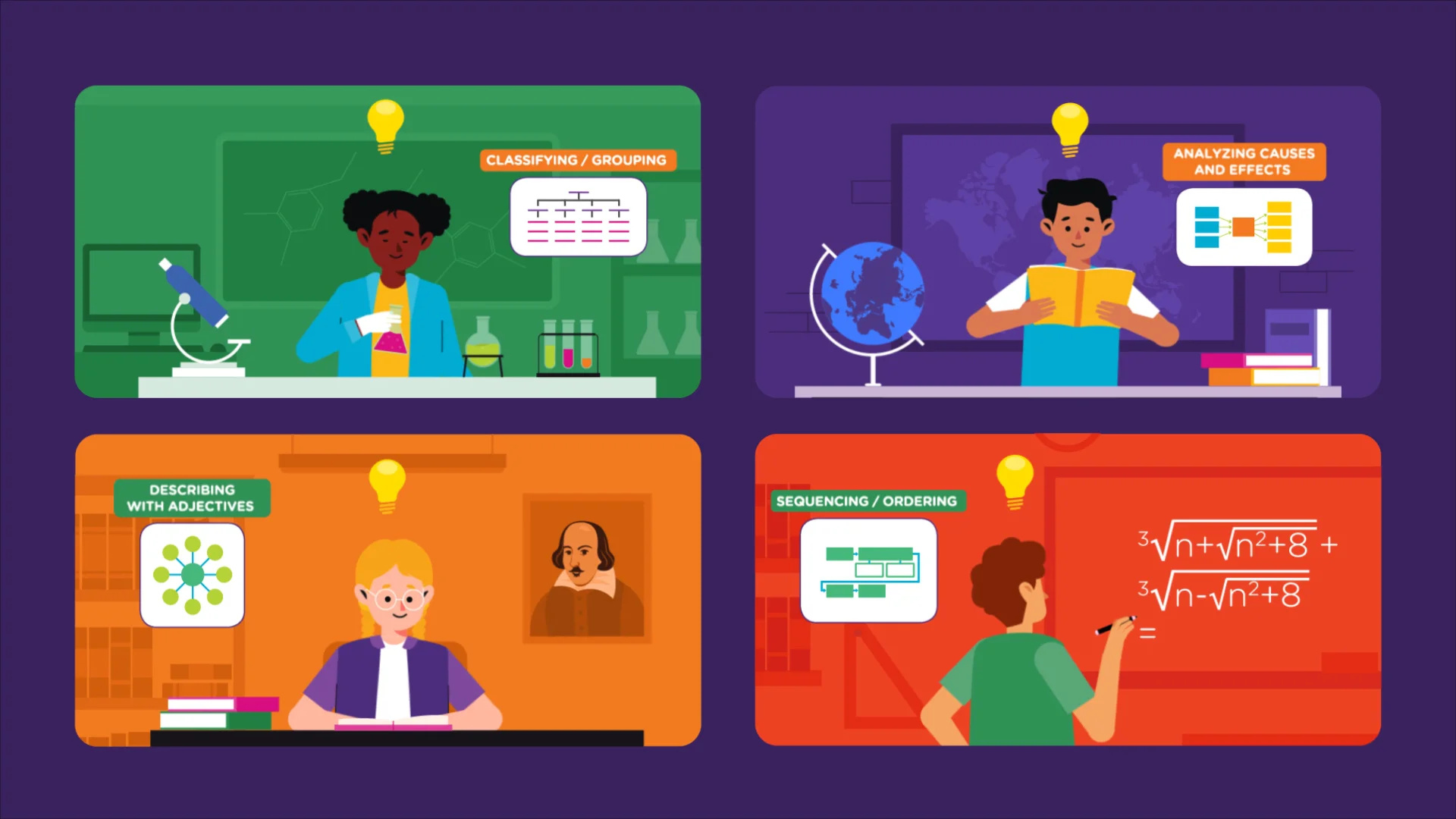
The "Mind Visualization" Tool Popular in European and American Classrooms: "Thinking Maps" - 8 Types of Mind Maps
Thinking Maps are a set of visual tools designed to help students organize and represent their thoughts, ideas, and information in a structured manner. Originating from the work of Dr. David Hyerle in the 1980s, these maps have gained widespread adoption in educational settings across Europe and America as a powerful "mind visualization" technique. Unlike traditional note-taking or rote memorization, Thinking Maps engage learners by tapping into visual-spatial intelligence, making complex concepts more accessible and fostering critical thinking skills. They serve as a common visual language in classrooms, enabling teachers to guide students through various cognitive processes such as defining, comparing, sequencing, and classifying. The popularity of Thinking Maps stems from their versatility and alignment with modern pedagogical approaches that emphasize metacognition and student-centered learning. By providing a framework for clear communication and deeper understanding, these tools have become integral to curricula in subjects ranging from language arts and science to social studies and mathematics, helping educators meet diverse learning needs and promote academic success.
We focus on sharing high-quality original content covering diverse fields such as technology & digital, life essays, and practical useful tips. We polish every article with care to bring you a warm and in-depth reading experience. Explore more interesting new knowledge only at FunLab666.