
Two Different Cognitive Recovery Strategies for Managing Acute and Chronic Stress
😌 Introduction

1. The Growing Need for Stress Management in Modern Society
In contemporary life, stress has evolved into a pervasive issue, affecting individuals across all demographics. With increasing workloads, social pressures, and global uncertainties, the ability to manage stress effectively is no longer a luxury but a necessity for maintaining overall health and productivity. This article delves into the distinct cognitive recovery strategies tailored for acute and chronic stress, providing a roadmap for individuals to navigate these challenges with resilience and clarity.
2. Defining Cognitive Recovery Strategies
Cognitive recovery strategies refer to mental techniques and approaches designed to restore cognitive function, emotional balance, and psychological well-being after exposure to stressors. Unlike physical interventions, these strategies focus on reshaping thought patterns, perceptions, and responses to stress, leveraging the brain's plasticity to foster adaptation and recovery. They are rooted in psychological principles and evidence-based practices, making them essential tools in stress management arsenals.
3. The Importance of Differentiating Between Acute and Chronic Stress
Acute stress is characterized by short-term, intense reactions to immediate threats or pressures, such as a sudden deadline or an unexpected event. In contrast, chronic stress involves prolonged exposure to stressors, like ongoing financial worries or a toxic work environment, leading to sustained physiological and psychological strain. Recognizing this distinction is critical because the cognitive strategies that work for acute situations may be ineffective or even detrimental for chronic stress, necessitating tailored approaches for optimal recovery.
⚡Understanding Acute and Chronic Stress

1. What is Acute Stress? Definition and Key Characteristics
Acute stress is a rapid-onset, short-duration response to perceived threats or challenges, often triggering the body's "fight-or-flight" mechanism. It is typically associated with specific events, such as public speaking, accidents, or urgent tasks, and manifests through symptoms like increased heart rate, sweating, and heightened alertness. While acute stress can be beneficial in small doses by enhancing performance, excessive or frequent episodes may lead to anxiety, fatigue, and impaired decision-making if not managed properly.
2. What is Chronic Stress? Definition and Key Characteristics
Chronic stress results from sustained exposure to stressors over an extended period, often weeks, months, or even years. Common sources include chronic illness, long-term relationship issues, or persistent job insecurity. Unlike acute stress, chronic stress does not trigger an immediate alarm response but instead leads to a state of constant low-grade activation, contributing to health problems like depression, cardiovascular diseases, and cognitive decline. It erodes resilience over time, making recovery more complex and requiring strategic, long-term interventions.
3. Cognitive Impacts: How Acute and Chronic Stress Affect the Brain Differently
Acute stress primarily impacts the prefrontal cortex and amygdala, temporarily enhancing focus and memory for immediate survival but potentially causing short-term lapses in judgment. Chronic stress, however, leads to structural changes in the brain, such as reduced hippocampal volume and prefrontal cortex dysfunction, impairing long-term memory, executive function, and emotional regulation. These differences underscore the need for distinct cognitive recovery strategies—acute strategies aim to quickly restore balance, while chronic strategies focus on rebuilding cognitive reserves and neural pathways.
🧠 Cognitive Recovery Strategy for Acute Stress

1. Immediate Breathing Techniques: The 4-7-8 Method and Box Breathing
When acute stress strikes, controlled breathing techniques can rapidly calm the nervous system. The 4-7-8 method involves inhaling for 4 seconds, holding the breath for 7 seconds, and exhaling for 8 seconds, promoting relaxation by activating the parasympathetic nervous system. Similarly, box breathing—inhaling, holding, exhaling, and holding again for equal counts—helps regulate heart rate and reduce anxiety. These practices are portable and can be done anywhere, making them ideal for sudden stress episodes.
2. Grounding Exercises: The 5-4-3-2-1 Technique for Present-Moment Awareness
Grounding exercises anchor individuals in the present moment, countering the overwhelming thoughts that accompany acute stress. The 5-4-3-2-1 technique involves identifying five things you can see, four things you can touch, three things you can hear, two things you can smell, and one thing you can taste. This sensory engagement shifts focus away from stressors, reducing panic and restoring cognitive clarity. It is particularly effective in situations like panic attacks or acute anxiety.
3. Quick Cognitive Reframing: Challenging Catastrophic Thoughts in Real-Time
Cognitive reframing for acute stress involves rapidly reassessing stressful situations to reduce their perceived threat. Techniques include asking questions like, "What is the worst that can happen?" or "Is there another way to view this?" By challenging catastrophic or irrational thoughts, individuals can diminish emotional intensity and gain perspective. This strategy leverages cognitive-behavioral principles and can be practiced through mindfulness or self-talk, helping to prevent stress from escalating.
4. Practical Applications: Using Acute Strategies in Daily Scenarios
In real-world settings, acute cognitive recovery strategies can be integrated seamlessly. For example, before a high-stakes meeting, deep breathing can calm nerves, while grounding can help during a stressful commute. Case studies show that individuals who employ these techniques report faster recovery from stress spikes and improved performance. The key is to practice them regularly so they become automatic responses, enhancing resilience in unpredictable situations.
🌱 Cognitive Recovery Strategy for Chronic Stress
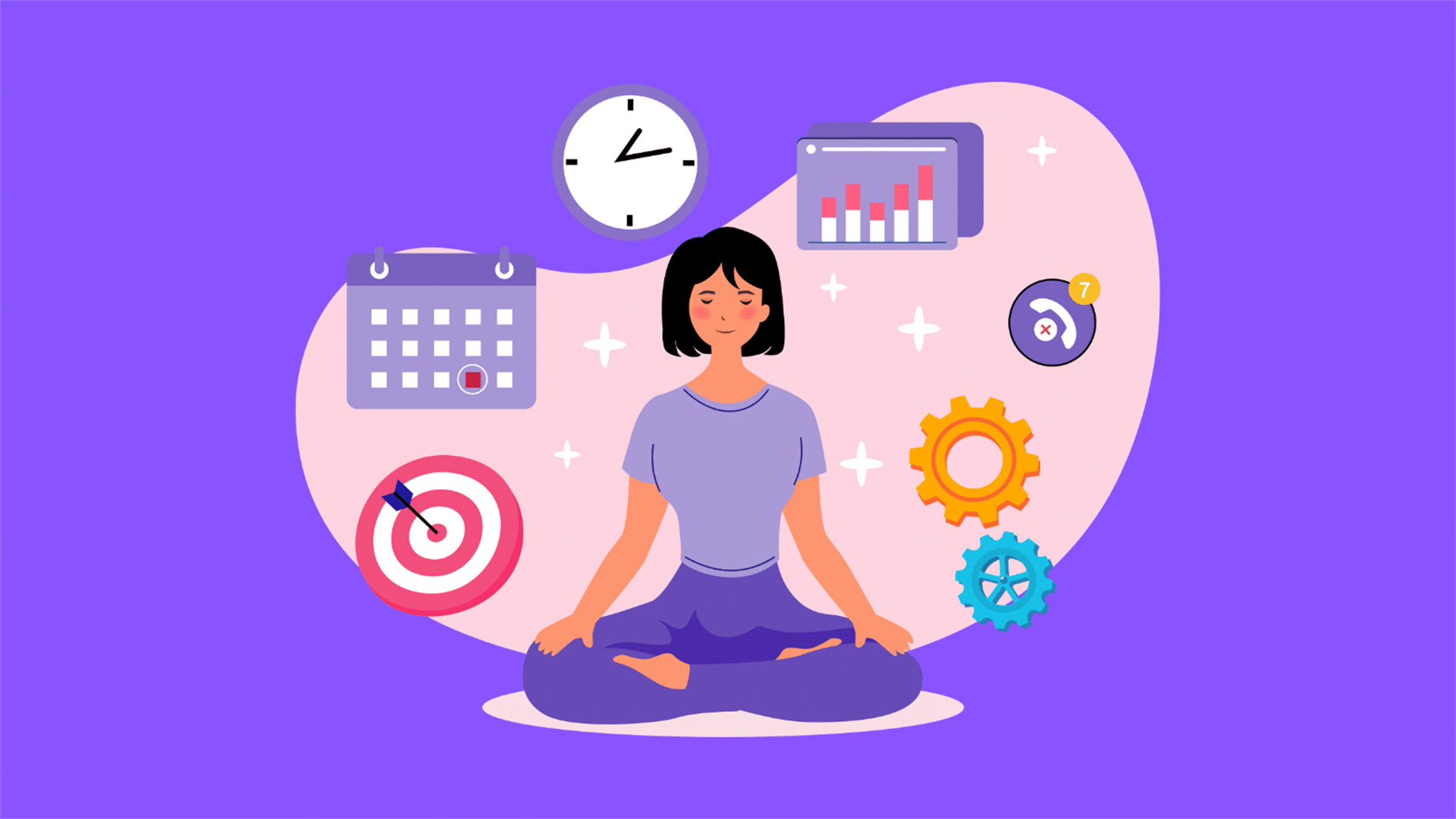
1. Long-Term Cognitive Restructuring: Identifying and Altering Deep-Seated Beliefs
Cognitive restructuring for chronic stress focuses on identifying and modifying persistent negative thought patterns, such as "I am never good enough" or "The world is against me." Through techniques like journaling or therapy, individuals learn to recognize these automatic thoughts, evaluate their validity, and replace them with more balanced, realistic beliefs. This process, often guided by cognitive-behavioral therapy (CBT), fosters lasting changes in perception, reducing the cumulative impact of chronic stressors.
2. Building Resilience Through Positive Psychology: Gratitude and Strength-Based Approaches
Positive psychology interventions, such as gratitude journaling or identifying personal strengths, help build resilience against chronic stress. By focusing on positive aspects of life, individuals can counteract the negativity bias that chronic stress reinforces. Practices like writing down three good things daily or engaging in strengths-based activities enhance emotional well-being and promote a sense of purpose, which buffers against long-term stress effects.
3. Lifestyle Adjustments: Integrating Mindfulness, Exercise, and Sleep Hygiene
Chronic stress recovery requires holistic lifestyle changes that support cognitive health. Regular mindfulness meditation, such as daily 10-minute sessions, reduces cortisol levels and improves emotional regulation. Physical exercise, particularly aerobic activities, boosts neurogenesis and mood. Prioritizing sleep hygiene—consistent sleep schedules and a restful environment—enhances cognitive repair. These adjustments create a foundation for sustained recovery, addressing the root causes of chronic stress.
4. The Role of Therapy and Support Networks: Professional and Social Resources
For chronic stress, professional therapy, such as CBT or acceptance and commitment therapy (ACT), provides structured guidance for cognitive recovery. Additionally, building strong support networks through friends, family, or support groups offers emotional validation and practical assistance. These resources help individuals navigate prolonged stressors by providing coping tools and reducing feelings of isolation, which are common in chronic stress scenarios.
🔄 Integrating Both Strategies for Comprehensive Stress Management

1. Knowing When to Switch Strategies: Acute vs. Chronic Contexts
Effective stress management involves discerning when to apply acute or chronic strategies. Acute techniques are best for sudden, short-lived stressors, like an argument or deadline, while chronic strategies suit ongoing issues, such as job dissatisfaction or health concerns. By assessing the duration and intensity of stress, individuals can choose appropriate interventions—using breathing exercises for immediate relief and cognitive restructuring for long-term change—to avoid mismanagement.
2. How Acute and Chronic Strategies Complement Each Other
Acute and chronic cognitive recovery strategies are not mutually exclusive; they work synergistically. For instance, grounding exercises can provide momentary relief during a chronic stress flare-up, while long-term cognitive restructuring reduces the frequency of acute episodes. Integrating both approaches creates a robust stress management system, where immediate techniques handle spikes and long-term strategies build overall resilience, leading to more adaptive stress responses over time.
3. Personalizing Your Stress Recovery Plan: Tailoring Techniques to Individual Needs
Personalization is key to effective stress recovery. Factors like personality, lifestyle, and stress triggers influence which strategies work best. For example, an introvert might prefer solitary mindfulness practices, while an extrovert may thrive in support groups. Experimenting with different techniques and tracking outcomes through apps or journals helps individuals design a customized plan that addresses both acute and chronic stress, enhancing adherence and effectiveness.
📝 Conclusion

1. Summary of Key Points: Recap of Acute and Chronic Cognitive Strategies
This article has explored two distinct cognitive recovery strategies: acute strategies, such as breathing techniques and grounding, for immediate stress relief, and chronic strategies, including cognitive restructuring and lifestyle adjustments, for long-term resilience. Understanding the differences between acute and chronic stress is essential for applying these approaches effectively, ensuring that individuals can manage stress proactively and recover cognitively across various situations.
2. Encouragement for Consistent Practice: Building Habits for Lasting Benefits
Consistency is crucial for reaping the benefits of cognitive recovery strategies. Regular practice, even in low-stress periods, builds mental muscle memory, making techniques more accessible during high-stress moments. Setting small, achievable goals—like practicing deep breathing daily or weekly therapy sessions—fosters sustainable habits that enhance overall well-being and prevent stress from becoming overwhelming.
3. Final Thoughts on Embracing a Holistic Approach to Stress Management
Managing stress is a journey that requires patience and self-compassion. By combining acute and chronic cognitive recovery strategies, individuals can create a comprehensive toolkit for navigating life's challenges. Embracing a holistic approach—integrating mental, physical, and social resources—empowers people to not only recover from stress but also thrive, turning adversity into opportunity for growth and resilience in an increasingly stressful world.
You May Have Missed

Three Scientific Rest Modes and One Sleep Formula to Improve Brain Efficiency
In an era where mental agility and productivity are paramount, understanding how to enhance brain efficiency is more important than ever. While diet, exercise, and cognitive training often take center stage, scientific evidence overwhelmingly highlights rest and sleep as foundational pillars for optimal brain function. Brain efficiency refers to the ability to process information quickly, maintain focus, solve problems effectively, and retain memories—all of which can be significantly improved through deliberate rest practices and quality sleep. This article delves into three scientifically validated rest modes—micro-breaks, mindful rest, and active rest—along with one comprehensive sleep formula, all designed to boost your cognitive capabilities. By integrating these strategies into your daily life, you can combat mental fatigue, enhance creativity, and achieve sustained peak performance in both personal and professional realms. The following sections will explore each rest mode in detail, backed by research from neuroscience and psychology, and provide a practical sleep formula to round out your brain optimization toolkit.

Eight Observation Windows and Development Focuses for Children Aged 0-6 in Intellectual Development
The first six years of a child's life represent a period of staggering neurological growth and intellectual formation. Often termed the "foundational years," this period sees the brain developing at its most rapid pace, building the essential neural architecture that will support all future learning, behavior, and health. Intellectual development in early childhood is not a singular track but a complex, interconnected web of cognitive, linguistic, motor, social, and emotional growth. For parents, caregivers, and educators, understanding this multifaceted journey is key to providing effective support. This article outlines eight crucial "observation windows"—key areas of development—to monitor and nurture in children from birth to age six. By focusing on these core domains with intentionality and warmth, we can help unlock each child's unique potential and set a strong, joyful foundation for lifelong intellectual curiosity and resilience.

Does IQ Always Decline with Age?
The question of whether intelligence quotient (IQ) invariably declines with age is a topic of enduring interest and misconception in psychology and public discourse. Many people assume that cognitive peak occurs in early adulthood, followed by a steady downhill trajectory. However, contemporary research paints a more nuanced picture, suggesting that the relationship between age and IQ is complex and multifaceted. This article delves into the science behind IQ and aging, examining the different components of intelligence, key research findings, and the various factors that influence cognitive change across the lifespan. By synthesizing evidence from longitudinal studies and expert analyses, we aim to provide a clear answer to the titular question and dispel common myths.
We focus on sharing high-quality original content covering diverse fields such as technology & digital, life essays, and practical useful tips. We polish every article with care to bring you a warm and in-depth reading experience. Explore more interesting new knowledge only at FunLab666.
- Operator: STARFISH ENTERTAINMENT CO., LIMITED
- Address: FLAT/RM F428 4/F 36 TAI YAU STREET WAH HING INDUSTRIAL MANSIONS SAN PO KONG HONGKONG
- Contact: [email protected]