
10 Traits for Identifying Highly Sensitive Children and Personalized Parenting Guidelines
1. 🌟 Introduction: Understanding the Highly Sensitive Child

Highly Sensitive Children (HSCs) are not simply "shy" or "difficult." They are born with a nervous system that is more deeply attuned to and processes sensory, emotional, and social information more thoroughly than others. This innate trait, present in roughly 15-20% of the population, is known as Sensory Processing Sensitivity (SPS). For these children, the world can feel louder, brighter, faster, and more emotionally intense. Understanding this biological basis is the first, crucial step away from mislabeling and towards supportive, personalized parenting. Recognizing an HSC is not about diagnosing a problem but about appreciating a unique neurotype—one that comes with significant strengths like deep empathy, creativity, and conscientiousness, alongside specific challenges. This article will outline ten key traits to help you identify if your child is highly sensitive and provide actionable, personalized parenting strategies to help them not just cope, but thrive.
2. 🔍 The 10 Identifying Traits of a Highly Sensitive Child

Highly sensitive children often exhibit a cluster of the following characteristics. It is rare for a child to show all ten with equal intensity, but a strong presence of several indicates high sensitivity.
2.1 🧠 Deep Information Processing
HSCs are "deep thinkers" from a young age. They ask profound questions, ponder the "why" behind everything, and may take longer to make decisions as they consider all possible outcomes and implications. You might notice them pausing to observe a new situation intently before joining in, a behavior often mistaken for hesitation.
2.2⚡Overstimulation and Sensory Overload
This is often the most visible trait. HSCs can become overwhelmed by too much sensory input: loud noises (vacuum cleaners, crowded malls), bright lights, strong smells, itchy clothing tags, or chaotic environments. This overload can lead to meltdowns, withdrawal, or physical complaints like stomachaches, which are often a reaction to the environment, not willful misbehavior.
2.3 💖 Heightened Emotional Reactivity and Empathy
HSCs feel emotions intensely, both their own and others'. They may cry easily at sad scenes in movies, be deeply affected by a friend's distress, or become overwhelmingly joyful. Their empathy is often advanced; they can intuitively sense a caregiver's stress or sadness, even if it's unspoken.
2.4 👂 Awareness of Subtle Stimuli
They notice everything: a slight change in a room's arrangement, a subtle shift in someone's tone of voice, a distant siren others ignore, or the texture of different foods. This keen awareness contributes to both their richness of experience and their potential for overstimulation.
2.5⏳Need for More Downtime and Solitude
After school or a social event, an HSC often needs substantial alone time in a quiet, safe space to "decompress" and process the day's experiences. This isn't anti-social; it's a biological necessity for their nervous system to reset and avoid burnout.
2.6 🚧 Strong Reaction to Change and Transitions
Unexpected changes in routine, new foods, or switching from one activity to another can be challenging. HSCs thrive on predictability because it reduces the cognitive and emotional load of processing the unknown. Surprises can be distressing rather than exciting.
2.7✨Perfectionism and Sensitivity to Criticism
Driven by their deep processing and intense feelings, HSCs often hold themselves to high standards. They may become frustrated if their work isn't "just right." Even gentle correction can be felt as a deep wound, as they internalize criticism profoundly.
2.8 🌿 Sensitivity to Pain, Hunger, and Caffeine
Their sensitive nervous systems often translate to physical sensitivities. They may react more strongly to minor cuts or illnesses, become "hangry" (hungry + angry) quickly if meals are delayed, and be exceptionally sensitive to the effects of caffeine or sugar.
2.9 🎨 Rich and Complex Inner Life
HSCs are often highly creative, imaginative, and insightful. They may invent elaborate fantasy worlds, produce thoughtful art, or make connections that surprise adults. They enjoy calm, deep play and can entertain themselves for long periods when in a conducive environment.
2.10 🌧️ Difficulty Performing Under Pressure
Being watched or evaluated (e.g., during a sports game, music recital, or test) can severely inhibit an HSC's performance. The added pressure amplifies their nervous system's arousal, making it hard to access the skills they possess in calmer settings.
3. 🧭 Personalized Parenting Guidelines for Each Trait

Parenting a highly sensitive child requires shifting from standard approaches to a more attuned, validating style. Here are tailored strategies corresponding to the traits above.
3.1 For Deep Processing: The "Pause and Preview" Method 🧠
Respect their need to process. Give advance notice for plans ("After lunch, we will go to the store"). Allow time for decisions. Ask open-ended questions to engage their deep thinking ("What did you think about that story?"). Avoid rushing them; patience here builds confidence.
3.2 For Overstimulation: Become a "Sensory Detective"⚡
Identify and minimize sensory triggers. Provide noise-canceling headphones for loud places, choose soft, tagless clothing, and create a calm, low-clutter home environment. Always have an exit strategy from overwhelming events. Teach them to recognize their own early signs of overload (e.g., "My head feels buzzy") and to ask for a break.
3.3 For Emotional Reactivity: Validate and Name Emotions 💖
Avoid saying "You're okay" or "Don't cry." Instead, validate: "I see you're feeling really sad about that. It's okay to feel that way." Help them build an emotional vocabulary. Teach that feelings are separate from actions—it's okay to be furious, but not okay to hit. Model healthy emotional regulation yourself.
3.4 For Subtle Awareness: Acknowledge and Redirect 👂
Confirm their observations: "You're right, I did move that plant. You notice such small details!" This validates their experience. When their awareness leads to anxiety (e.g., worrying about a faint noise), gently reassure them and guide their focus to something present and safe.
3.5 For Downtime: Sanctify Quiet Time⏳
Build daily, non-negotiable quiet periods into the routine. This is not a punishment but a vital recharge. Create a cozy "nest" with books, stuffed animals, or quiet toys. Shield this time from siblings and external demands. Explain its importance: "Your quiet time helps your brain feel good."
3.6 For Change Sensitivity: Routines and Rituals 🚧
Establish clear, predictable routines, especially for mornings and bedtimes. Use visual schedules for younger children. Prepare extensively for changes: talk about new places or people beforehand, role-play scenarios, and visit new schools ahead of time. Maintain little rituals (e.g., a special goodbye kiss) to provide anchors of safety.
3.7 For Perfectionism: Focus on Effort and Process✨
Praise effort, perseverance, and strategy, not just the outcome. Say, "I'm so proud of how you concentrated on that puzzle," rather than "You're so smart." Frame mistakes as learning opportunities. Give feedback privately and sandwich it between affirmations. Teach self-compassion phrases.
3.8 For Physical Sensitivity: Proactive Body Care 🌿
Maintain strict routines around meals and sleep to prevent hunger or fatigue from tipping them over the edge. Be extra vigilant about comfort—trim clothing tags, keep temperatures moderate. Be their advocate with doctors or dentists, explaining their sensitivity to pain. Monitor diet for reactivity.
3.9 For Rich Inner Life: Fuel Creativity and Depth 🎨
Provide ample materials for creative expression (art, music, building). Engage in deep, one-on-one conversations. Encourage their interests, even if they seem unusual. Limit passive, overstimulating screen time, which can clutter their sensitive minds, in favor of activities that engage their active imagination.
3.10 For Performance Pressure: Remove the Spotlight 🌧️
Don't force participation in high-pressure activities. If they want to perform, help them practice in a low-stakes way and focus on the joy of participation, not winning or perfect execution. Talk to teachers about alternative testing environments or presenting to smaller groups. Reassure them that your love is not contingent on performance.
4. 🏡 Building a Supportive Long-Term Environment
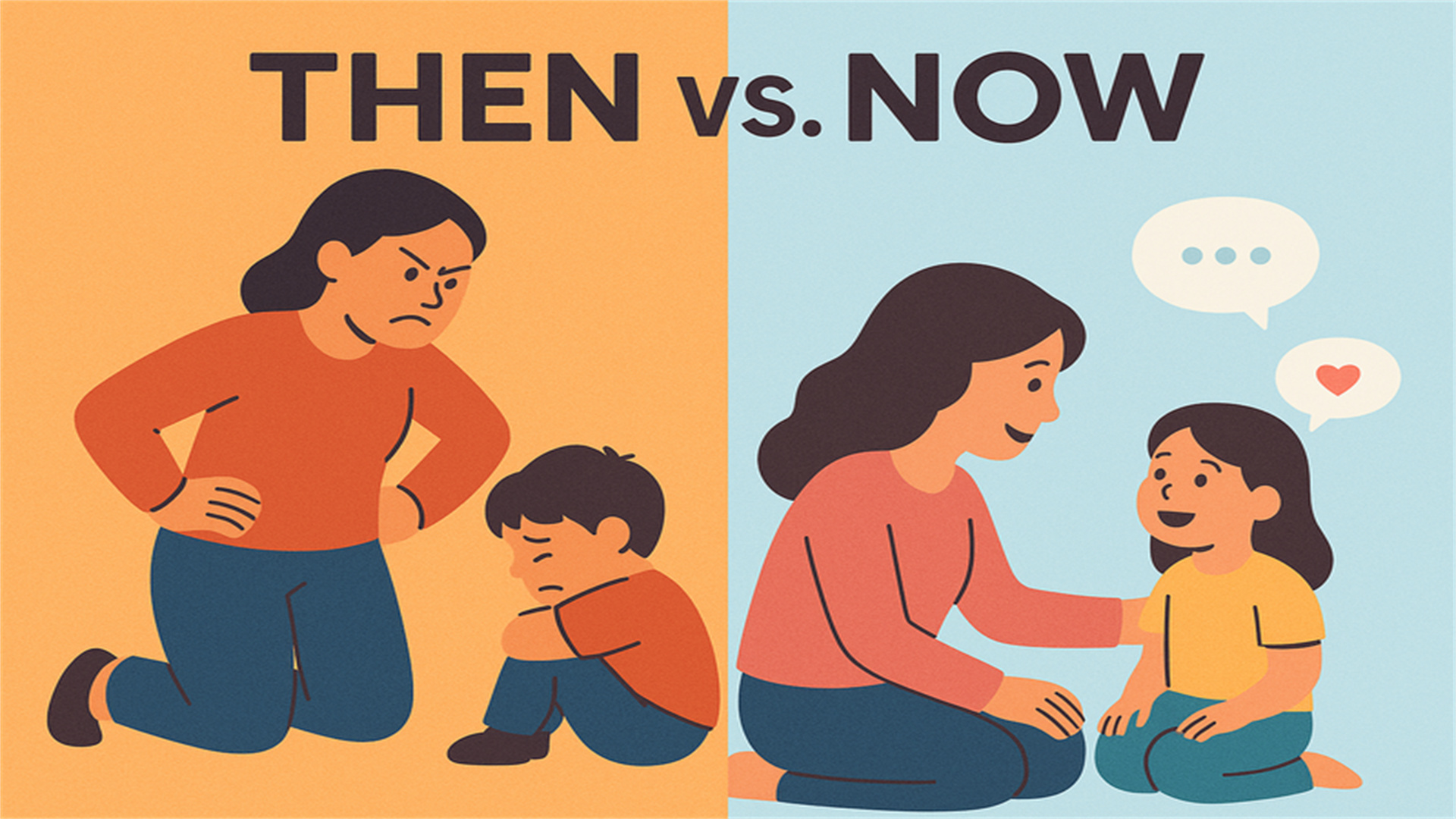
Beyond managing daily challenges, the goal is to build a foundation where your HSC's sensitivity is seen as a strength. This involves advocacy and reframing.
4.1 Advocate with Educators
Schedule a meeting with your child's teacher to explain high sensitivity—not as an excuse, but as a framework for understanding. Discuss simple accommodations: a quiet seat, advance warning for fire drills, permission to take a break in a designated calm corner, and alternative to punitive discipline.
4.2 Reframe the Narrative
Consciously use positive language about their trait. Call them "perceptive," "compassionate," "creative," and "thoughtful." Share stories of sensitive historical or cultural figures. Counteract any messages they may receive that they are "too" sensitive.
4.3 Foster Connection with Nature
Nature is the ultimate regulating environment for an HSC. Regular time in green spaces—walks in the woods, gardening, sitting by water—can dramatically reduce stress and overstimulation. It provides gentle, rhythmic sensory input that is healing for a sensitive nervous system.
4.4 Model Self-Care and Boundaries
Your child learns by watching you. Demonstrate healthy self-care and the ability to say "no" to overcommitment. Explain your actions: "I'm feeling a bit overwhelmed, so I'm going to read for 15 minutes to calm down." This teaches them vital self-regulation skills.
5. 💝 Conclusion: Nurturing Sensitivity into Strength

Parenting a highly sensitive child is a profound journey that asks you to slow down, observe deeply, and parent from a place of connection rather than control. The traits that present challenges in childhood—deep feeling, acute awareness, thoughtful processing—are the very seeds of remarkable adult qualities: profound empathy, ethical leadership, artistic brilliance, and insightful innovation. Your role is not to change your child's fundamental nature, but to be their safe harbor, their interpreter for a world that can feel too intense, and the gardener who helps their unique gifts blossom. By using the personalized guidelines outlined here—validating their experience, protecting them from overwhelm, and championing their strengths—you empower your sensitive child to move from merely coping with the world to enriching it with their unique depth and perception. Remember, a sensitive child raised with understanding doesn't just survive; they become the empathetic, creative, and deeply connected adults our world desperately needs.
You May Have Missed
Common Misconceptions and Guidelines for Nutritional Planning in Preschool Children
Proper nutrition during the preschool years (ages 3-5) is a cornerstone for a child's growth, cognitive development, and the establishment of lifelong healthy eating habits. However, navigating this landscape can be fraught with confusion and well-intentioned errors. Parents and caregivers often encounter conflicting advice, leading to common misconceptions that can inadvertently impact a child's relationship with food. This article aims to demystify preschool nutrition by debunking prevalent myths and providing clear, evidence-based guidelines. By moving away from anxiety-driven practices and towards a balanced, positive approach, we can create a foundation that supports both the physical and emotional well-being of young children, ensuring they receive the diverse nutrients they need to thrive.

Up-to-Date Children's Safety Lessons
In an era defined by rapid technological advancement and evolving social dynamics, the concept of child safety has expanded far beyond "stranger danger" and looking both ways before crossing the street. Today's children navigate a complex digital landscape, face nuanced social pressures, and require a more sophisticated understanding of personal boundaries and consent. Up-to-date safety lessons are not about instilling fear, but about empowering children with the knowledge, skills, and confidence to recognize risks, make smart choices, and seek help when needed. This comprehensive guide outlines essential, modern safety education that addresses the realities of the 21st-century child, moving from the playground to the smartphone with practical, age-appropriate strategies for parents, caregivers, and educators.

7 "Golden Response" Rules for Building Secure Attachment
Secure attachment is the invisible foundation for healthy relationships, emotional resilience, and overall well-being. It's the deep-seated sense of safety and trust that allows individuals, from infancy through adulthood, to explore the world knowing they have a reliable "home base" to return to. While often discussed in the context of parent-child bonds, the principles of secure attachment are fundamental to all meaningful connections.
We focus on sharing high-quality original content covering diverse fields such as technology & digital, life essays, and practical useful tips. We polish every article with care to bring you a warm and in-depth reading experience. Explore more interesting new knowledge only at FunLab666.