
5 Steps to Build an Efficient "Classroom Learning Loop"
📚 Introduction: Understanding the Classroom Learning Loop
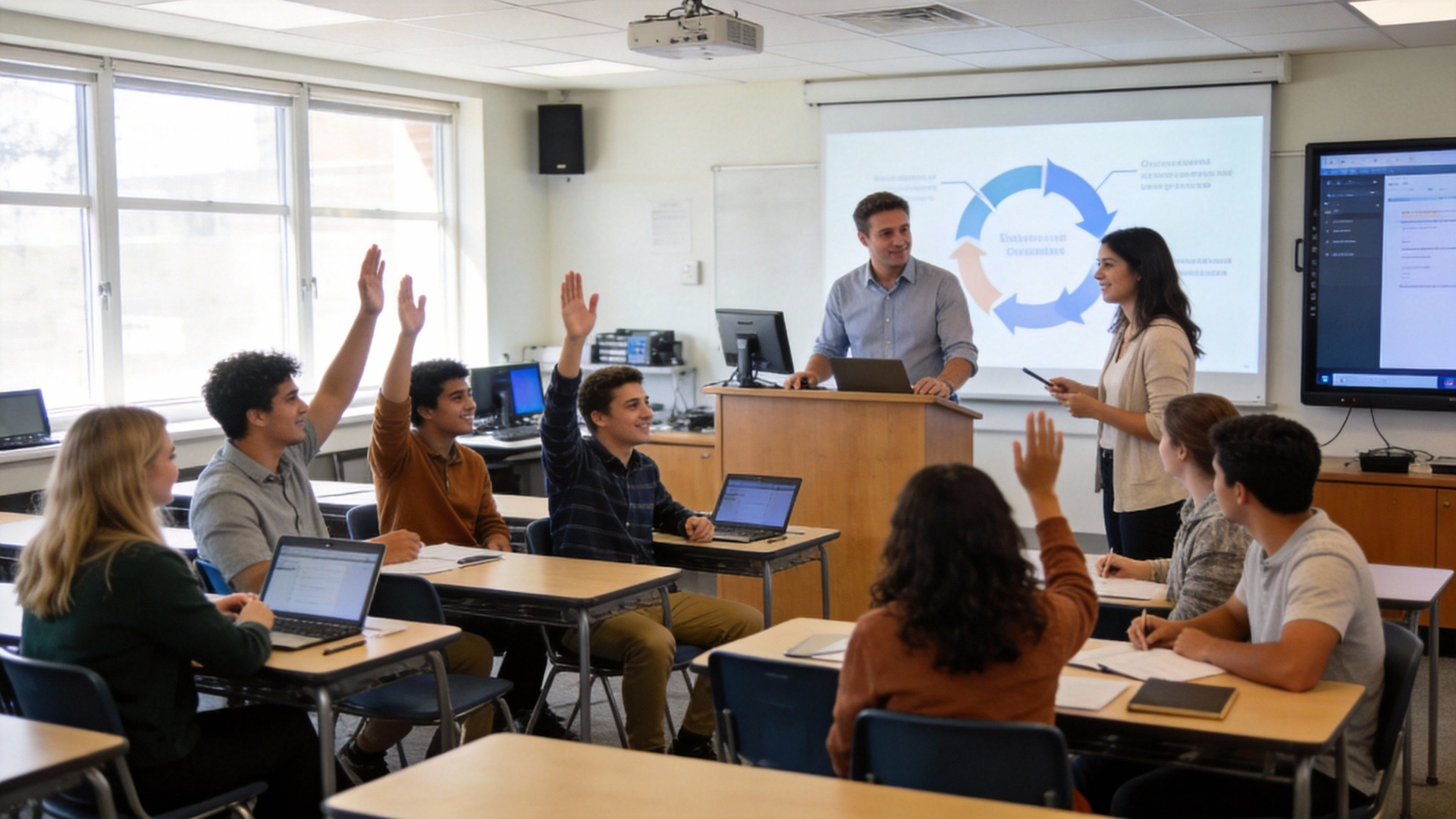
The Classroom Learning Loop is a dynamic, iterative educational framework designed to optimize teaching and learning through continuous cycles of planning, instruction, assessment, and reflection. Rooted in pedagogical theories such as Kolb's experiential learning and the Plan-Do-Check-Act (PDCA) model, this approach transforms traditional linear teaching into a responsive system that adapts to student needs in real time. By fostering a culture of feedback and adjustment, educators can enhance engagement, improve academic outcomes, and create a more inclusive classroom environment. In an era where personalized learning and data-driven instruction are paramount, building an efficient learning loop is essential for modern educators. This article draws insights from leading educational websites like Edutopia, TeachThought, and Cult of Pedagogy to outline five practical steps for implementing this powerful cycle. Whether you're a seasoned teacher or new to the profession, mastering the learning loop can revolutionize your teaching practice and empower students to take ownership of their learning journey.
The concept of a learning loop emphasizes agility and responsiveness. Unlike static lesson plans, it encourages teachers to act as facilitators who constantly gather data, reflect on practices, and iterate strategies. This not only addresses diverse learning styles but also prepares students for a world that values critical thinking and adaptability. Research from institutions like the Harvard Graduate School of Education highlights that classrooms using iterative cycles see significant improvements in student motivation and achievement. As we delve into the steps, remember that the loop is not a rigid formula but a flexible framework that can be tailored to any subject or grade level. By embracing this process, educators can move beyond one-size-fits-all instruction and build a classroom where every student thrives.
1. 🎯 Step 1: Establish Clear and Measurable Learning Objectives
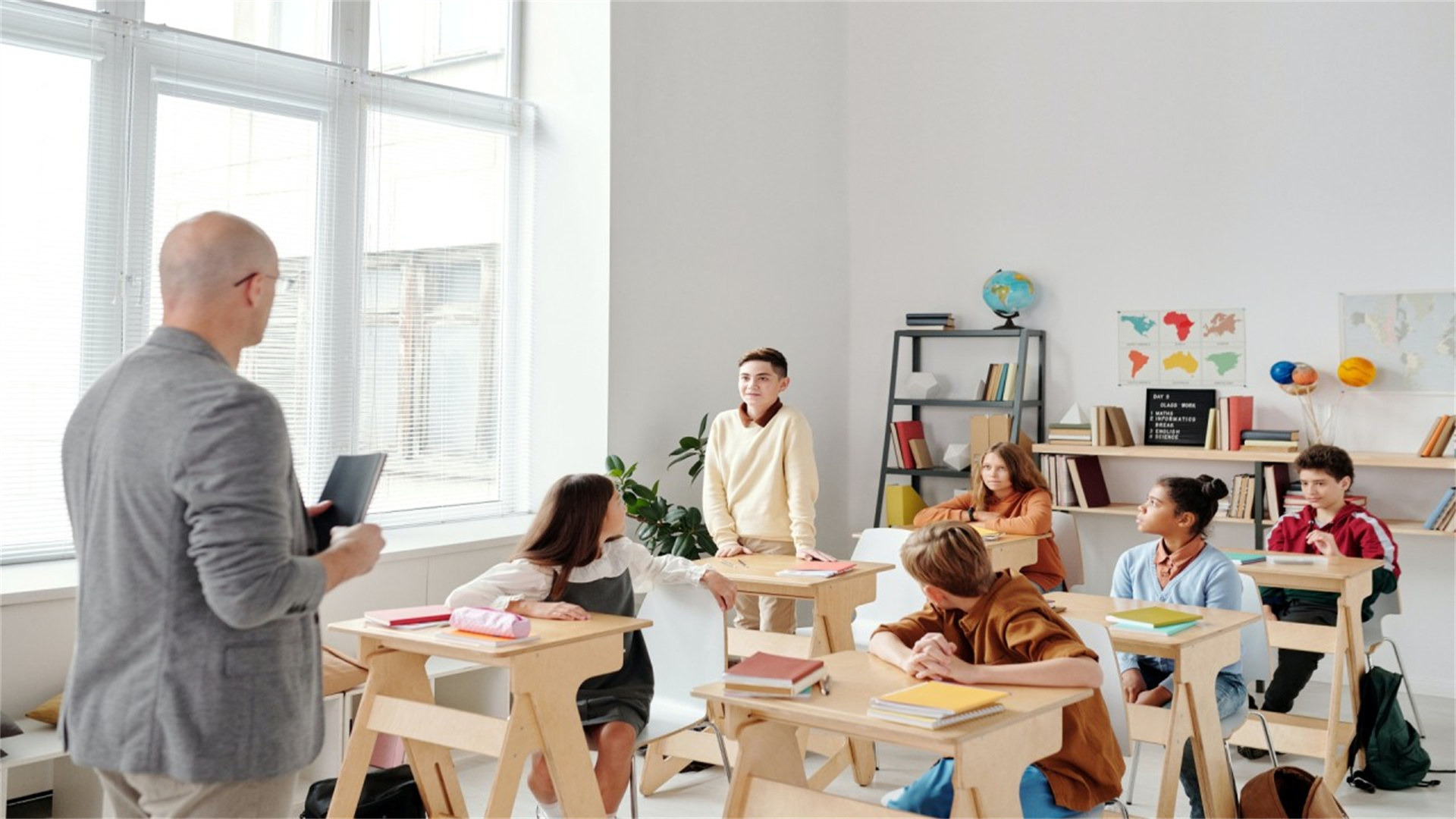
Setting clear learning objectives is the cornerstone of an effective Classroom Learning Loop. Objectives serve as a roadmap, guiding instructional design and providing benchmarks for assessment. They ensure that both teachers and students understand the desired outcomes, aligning efforts toward common goals. According to educational resources like ASCD and Edutopia, well-defined objectives enhance focus, reduce ambiguity, and facilitate meaningful feedback. This step involves not only identifying what students should learn but also making those goals specific, measurable, and transparent. By starting with strong objectives, educators lay the foundation for a loop that is purposeful and data-driven, enabling continuous improvement throughout the learning process.
1.1 Identify Core Learning Outcomes Aligned with Standards
Begin by pinpointing the essential knowledge, skills, and understandings that students must acquire. These outcomes should be derived from curriculum standards, such as Common Core or Next Generation Science Standards, to ensure academic rigor and relevance. For example, in a history lesson, a core outcome might be "Students will analyze the causes and effects of the American Revolution using primary sources." Consult frameworks from organizations like the International Society for Technology in Education (ISTE) for digital literacy goals. By focusing on high-priority content, teachers can avoid overload and deepen student comprehension. This alignment also facilitates coherence across units, making the learning loop seamless and cumulative.
1.2 Apply SMART Criteria to Define Objectives
Transform broad outcomes into Specific, Measurable, Achievable, Relevant, and Time-bound (SMART) objectives. This criterion, widely advocated on educational blogs like TeachThought, adds precision and accountability. For instance, instead of "Understand fractions," a SMART objective could be "By the end of the week, students will solve fraction addition problems with 90% accuracy and explain their reasoning verbally." Measurability allows for objective assessment, while achievability ensures goals are realistic. Relevance connects learning to real-world applications, increasing student buy-in. Time-bound elements create urgency and structure, which are crucial for maintaining momentum in the learning loop. Document these objectives in lesson plans and share them with students to foster clarity and commitment.
1.3 Communicate Objectives to Students and Stakeholders
Transparency is key to engaging students in the learning loop. Present objectives in student-friendly language, such as "Today, we will learn how to write persuasive essays by crafting strong thesis statements." Use visual aids like posters, digital slides, or learning targets boards to reinforce goals. Encourage students to paraphrase objectives in their own words, promoting ownership and metacognition. Additionally, involve parents and guardians by sharing objectives through newsletters or parent-teacher conferences, as suggested by sites like Reading Rockets. This communication builds a supportive ecosystem where everyone understands the learning journey. When students see the "why" behind lessons, they are more likely to participate actively and reflect on their progress, fueling the iterative nature of the loop.
2. 🛠️ Step 2: Design Engaging and Multimodal Instructional Activities
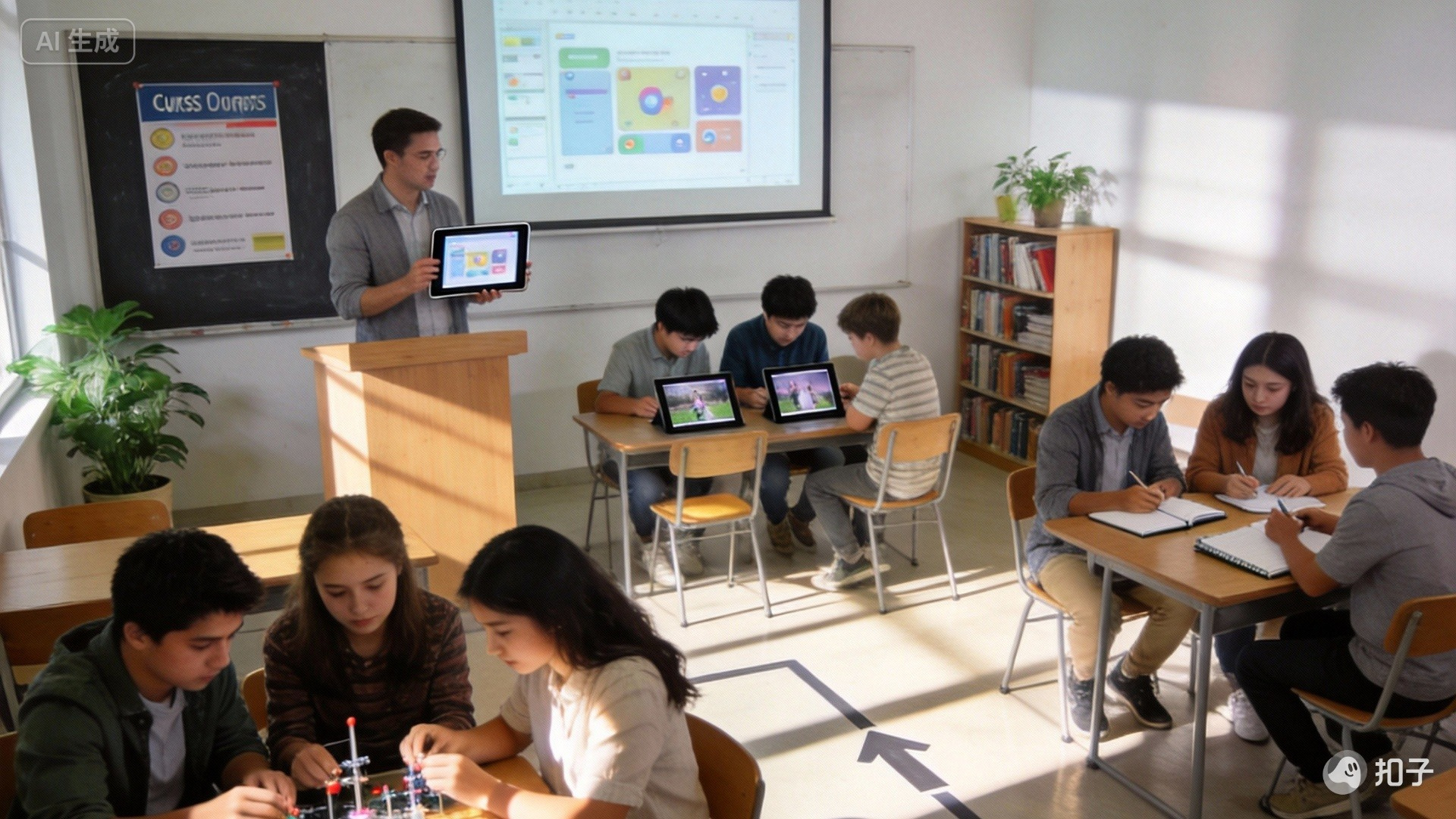
With objectives in place, the next step is to design instructional activities that actively involve students and cater to diverse learning preferences. Engagement is the engine of the learning loop, driving motivation and deepening understanding. Drawing from resources like EdTech Magazine and Khan Academy, this step emphasizes creativity, technology integration, and collaborative learning. Effective activities should be interactive, challenging, and aligned with the set objectives, allowing students to explore concepts through multiple modalities. By designing experiences that resonate with learners, educators can sustain interest and collect rich data for assessment, keeping the loop dynamic and responsive to student needs.
2.1 Incorporate a Variety of Learning Modalities
Address different learning styles—visual, auditory, kinesthetic, and reading/writing—by blending diverse instructional methods. For example, use videos or infographics for visual learners, podcasts or discussions for auditory learners, hands-on experiments or role-plays for kinesthetic learners, and journals or articles for reading/writing learners. This approach, endorsed by sites like Understood.org, ensures inclusivity and helps all students access content. In a science lesson on ecosystems, you might combine a documentary (visual), a group debate on conservation (auditory), a model-building activity (kinesthetic), and a research report (reading/writing). Multimodal teaching not only engages students but also reinforces learning through repetition in different formats, strengthening memory and comprehension within the loop.
2.2 Leverage Educational Technology Tools
Integrate digital tools to enhance interactivity and personalization. Platforms like Google Classroom, Nearpod, and Seesaw facilitate resource sharing, real-time feedback, and collaborative projects. For instance, use interactive quizzes on Kahoot! for formative assessment or virtual labs on PhET for science simulations. According to EdSurge, technology can democratize learning by providing adaptive resources that meet individual paces. Additionally, tools like Flipgrid allow students to record video responses, fostering verbal expression and peer learning. When selecting technology, ensure it aligns with objectives and adds value rather than distracts. Training students to use these tools effectively empowers them to take charge of their learning, a core principle of the Classroom Learning Loop.
2.3 Foster Collaborative and Problem-Based Learning
Design activities that encourage teamwork and critical thinking, such as group projects, peer teaching, or problem-based learning (PBL) scenarios. Collaboration builds social skills and allows students to learn from each other, as highlighted by the Buck Institute for Education. For example, in a math class, assign a group task to design a budget for a school event, applying arithmetic skills in a real-world context. Use strategies like think-pair-share or jigsaw discussions to structure interactions. Collaborative learning not only engages students but also provides opportunities for peer feedback, which enriches the assessment phase of the loop. By creating a classroom culture of cooperation, educators can harness collective intelligence and make the learning loop a shared endeavor.
3. 👥 Step 3: Implement Differentiated Instruction Strategies
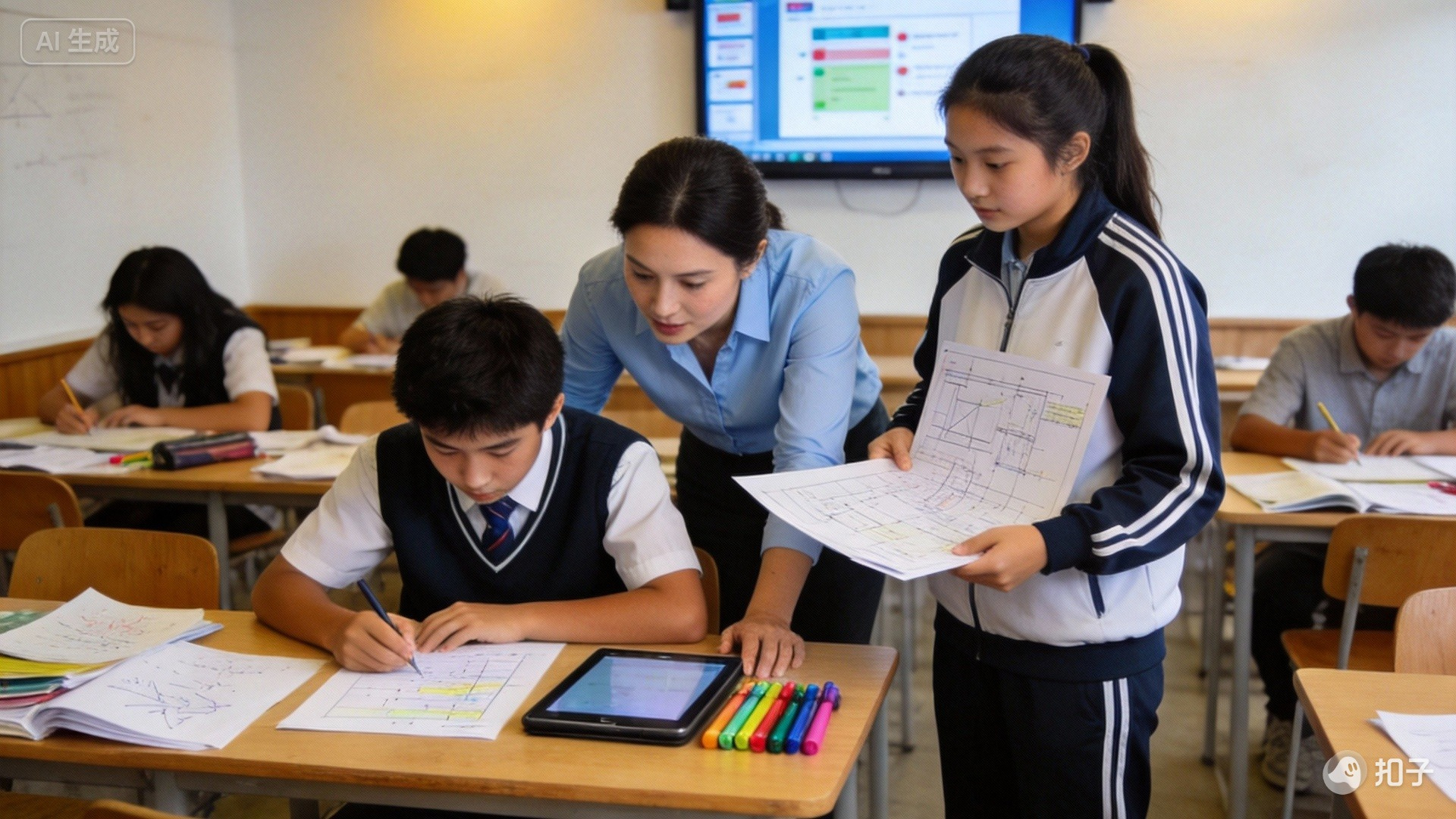
Differentiated instruction ensures that the learning loop accommodates the unique needs, abilities, and interests of every student. This step is crucial for equity and effectiveness, as it prevents the loop from becoming a one-way path that leaves some learners behind. Inspired by resources like ASCD and Reading Rockets, differentiation involves adjusting content, process, and product based on ongoing assessment data. By tailoring instruction, teachers can provide appropriate challenges and support, keeping all students engaged and progressing. This personalized approach not only respects diversity but also generates more precise data for reflection, making the loop more responsive and inclusive.
3.1 Assess Prior Knowledge and Readiness Levels
Before diving into new content, gauge students' existing understanding through pre-assessments such as quick quizzes, KWL charts (What I Know, What I Want to Know, What I Learned), or informal discussions. This data helps identify knowledge gaps and readiness levels, allowing for targeted instruction. For example, in a language arts unit on poetry, a pre-assessment might reveal that some students are familiar with rhyme schemes while others struggle with basic terminology. Use this insight to group students or tailor introductory activities. Websites like Cult of Pedagogy recommend pre-assessments as a low-stakes way to inform differentiation. By starting where students are, educators can scaffold learning effectively, ensuring that the loop begins on solid ground and builds upward.
3.2 Provide Tiered Assignments and Flexible Grouping
Offer tasks at varying levels of complexity to meet diverse needs. Tiered assignments might include basic, proficient, and advanced versions of the same activity. In a social studies lesson on government, for instance, basic tasks could involve defining key terms, proficient tasks might compare different systems, and advanced tasks could debate political theories. Use flexible grouping, where students work in pairs, small groups, or individually based on the task or their needs. Rotate groups frequently to avoid labeling and promote social learning. Resources like Edutopia emphasize that tiering and grouping should be dynamic, adjusted as students progress through the loop. This flexibility ensures that differentiation is responsive, not static, aligning with the iterative spirit of the learning loop.
3.3 Incorporate Student Choice and Interest-Based Options
Empower students by allowing them to choose how they learn and demonstrate understanding. Use choice boards, learning menus, or project-based options where students select topics, formats, or resources that resonate with their interests. For example, after a unit on climate change, offer choices like creating a podcast, writing a letter to a policymaker, or designing a poster campaign. This strategy, promoted by sites like TeacherVision, increases motivation and ownership. Additionally, incorporate interests into content—like using sports statistics in math problems or popular music in language lessons. When students see their identities reflected in learning, they engage more deeply, providing richer data for the assessment phase of the loop. Choice fosters autonomy, a key component of self-regulated learning within the Classroom Learning Loop.
4. 📊 Step 4: Conduct Continuous Assessment and Deliver Timely Feedback
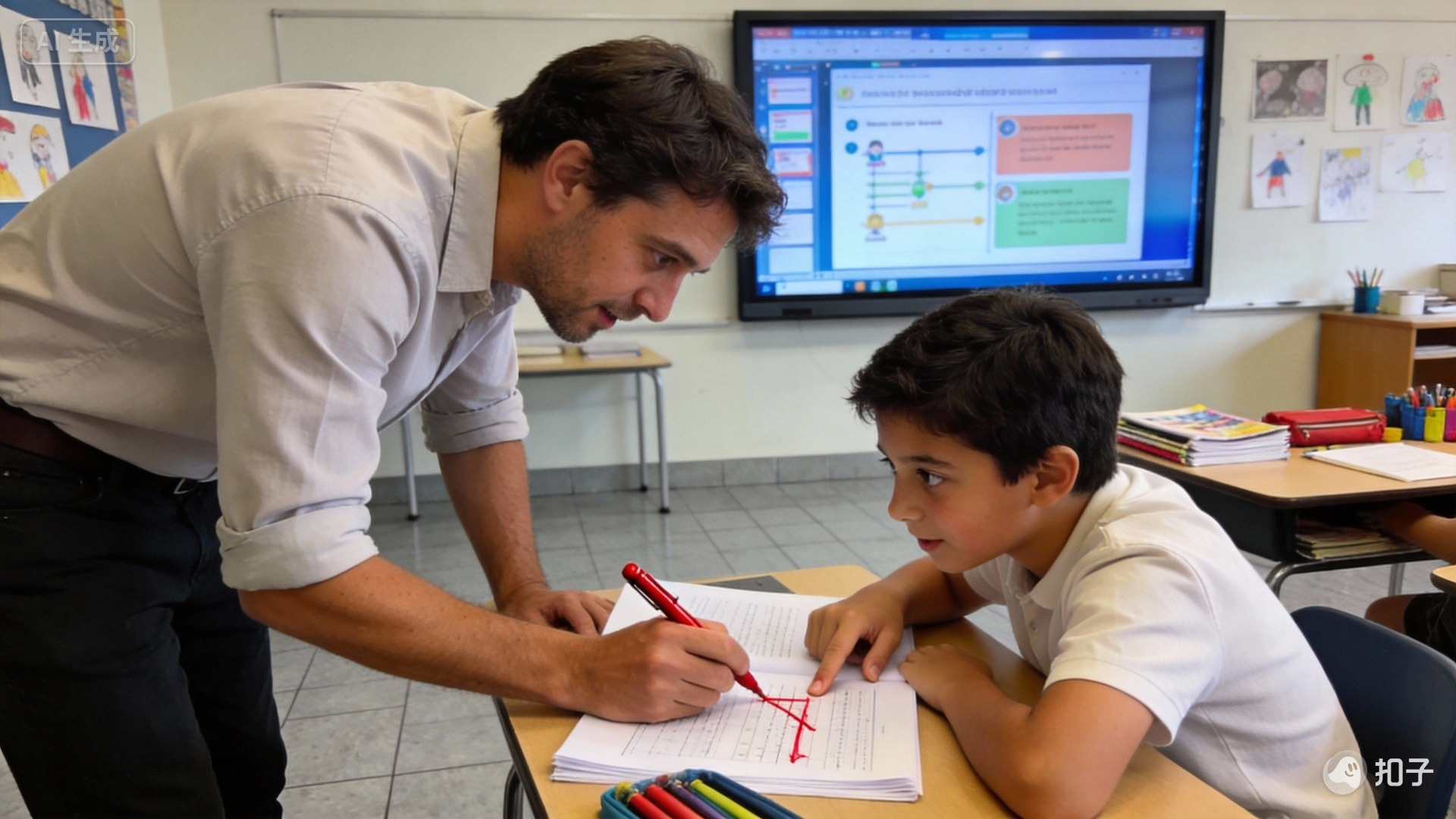
Assessment in the Classroom Learning Loop is an ongoing process that informs instruction rather than merely evaluating outcomes. This step involves gathering data on student progress through formative and summative methods, then providing feedback that guides improvement. Drawing from research highlighted by the Harvard Graduate School of Education and platforms like Cult of Pedagogy, effective assessment is frequent, low-stakes, and integrated into daily activities. Feedback should be specific, actionable, and timely, closing the gap between current and desired performance. By making assessment a constant dialogue, educators can adjust the loop in real time, ensuring that teaching remains responsive and students stay on track toward their objectives.
4.1 Utilize Formative Assessment Techniques Regularly
Implement formative assessments such as exit tickets, thumbs-up/down checks, polls, or observation notes to monitor understanding during instruction. These tools provide immediate insights without the pressure of grades. For example, use a digital poll like Mentimeter to ask, "How confident do you feel about solving quadratic equations?" after a math lesson. Analyze responses to identify misconceptions and plan follow-up actions. Websites like Edutopia recommend formative assessments as the "pulse" of the learning loop, offering real-time data for adjustment. Schedule these checks at key points—beginning, middle, and end of lessons—to capture progress over time. By embedding assessment into routine activities, teachers can maintain a fluid loop where data collection is seamless and informative.
4.2 Deliver Constructive and Actionable Feedback
Provide feedback that is descriptive, focusing on specific strengths and areas for growth. Instead of vague praise like "Good job," say, "Your essay introduction clearly states the argument; next time, try adding evidence from the text to support your claims." Use the "Feedback Sandwich" method—positive comment, constructive criticism, positive encouragement—to maintain motivation. Encourage peer feedback through structured protocols, such as two stars and a wish (two positives and one suggestion). Resources like Visible Learning by John Hattie emphasize that timely feedback can double the rate of learning. Incorporate feedback into class discussions or one-on-one conferences, making it a collaborative process. This practice not only improves performance but also teaches students to give and receive feedback, a skill essential for the reflective phase of the loop.
4.3 Involve Students in Self-Assessment and Goal Setting
Teach students to evaluate their own learning using rubrics, checklists, or reflection journals. For instance, after a project, have students rate their collaboration skills based on a rubric and write a paragraph on what they would do differently. This fosters metacognition, helping learners understand their thinking processes. Set aside time for goal-setting sessions where students review feedback and set specific targets for improvement, such as "I will practice multiplication facts for 10 minutes daily." Platforms like Seesaw offer digital portfolios for tracking goals. By involving students in assessment, educators shift ownership to learners, making the loop a shared responsibility. Self-assessment data also enriches teacher understanding, providing another layer of insight for iteration in the final step of the loop.
5. 🔄 Step 5: Reflect and Iterate for Continuous Improvement

The final step of the Classroom Learning Loop is reflection and iteration, where educators and students analyze data, reflect on experiences, and make adjustments for future cycles. This step closes the loop and initiates a new one, ensuring continuous growth. Inspired by models like the Reflective Teaching Cycle and resources from EdSurge, reflection involves examining what worked, what didn't, and why. Iteration then applies these insights to refine objectives, activities, differentiation, and assessment strategies. By embracing this cyclical process, teachers can evolve their practice, address emerging challenges, and foster a culture of lifelong learning. This step transforms the classroom into a laboratory of innovation, where every cycle builds on the last for sustained efficiency and impact.
5.1 Analyze Assessment Data to Identify Patterns and Gaps
Collect and review data from formative and summative assessments, student feedback, and observation notes. Look for patterns—such as recurring misconceptions or engagement dips—that indicate areas needing adjustment. Use tools like spreadsheets or educational software (e.g., Google Sheets or Tableau) to visualize trends. For example, if quiz scores show that 70% of students struggled with a specific concept, plan a reteaching session using a different approach. Consult resources like Data Wise from Harvard Education Press for systematic analysis techniques. By treating data as a story of learning, educators can make informed decisions rather than relying on intuition. This analysis fuels the iterative process, ensuring that changes are evidence-based and targeted within the learning loop.
5.2 Engage in Structured Reflection with Peers and Students
Reflect individually and collaboratively through methods like teaching journals, professional learning communities (PLCs), or student focus groups. Set aside weekly time to ask reflective questions: "Did students meet the objectives? What activities generated the most engagement? How effective was my differentiation?" Involve students by holding class discussions or surveys about their learning experiences. Platforms like Twitter educator chats or LinkedIn groups offer global perspectives for reflection. According to TeacherVision, structured reflection turns experiences into actionable insights. Document reflections to track progress over time and share successes with colleagues. This practice not only improves teaching but also models reflective thinking for students, reinforcing the loop as a shared cycle of growth.
5.3 Implement Iterative Changes and Experiment with New Strategies
Based on reflections, make deliberate adjustments to the learning loop. This might involve modifying objectives to be more specific, introducing new technology tools, tweaking differentiation methods, or altering assessment frequency. Experiment with innovative strategies, such as flipped classrooms or gamification, and measure their impact. For instance, if students were disengaged during lectures, try a project-based approach next cycle. Resources like the Buck Institute for Education provide guides for iterative design. Communicate changes to students, explaining the rationale to maintain transparency. Remember that iteration is about incremental improvement, not perfection—each cycle offers a chance to learn and adapt. By continuously refining the loop, educators can build a resilient and efficient classroom system that evolves with their students' needs.
🎉 Conclusion: Embracing the Classroom Learning Loop for Transformative Education
Building an efficient Classroom Learning Loop is a journey that empowers educators to create dynamic, responsive, and inclusive learning environments. By following these five steps—setting clear objectives, designing engaging activities, differentiating instruction, conducting continuous assessment, and reflecting iteratively—teachers can transform their practice from static planning to a fluid cycle of growth. This loop not only enhances academic achievement but also cultivates essential skills like critical thinking, collaboration, and self-regulation in students. As education continues to evolve in the 21st century, adopting a cyclical, data-driven approach is no longer optional but essential for meeting diverse learner needs.
The Classroom Learning Loop thrives on feedback and adaptation, mirroring real-world processes where continuous improvement is key. Start by implementing one step at a time, perhaps beginning with clearer objectives or more formative assessments, and gradually expand to the full cycle. Leverage resources from trusted educational websites and communities to stay inspired and informed. Remember, the goal is progress over perfection; each iteration brings new insights and refinements. By committing to this loop, educators can foster a classroom culture where both teaching and learning are ever-evolving, ensuring that every student has the opportunity to succeed and thrive in an ever-changing world.
You May Have Missed

How to Choose a School for Your Child Abroad
Moving your family to a new country is a monumental decision, and perhaps the most critical element determining its success is the choice of school for your child. This decision goes far beyond academics; it is about finding a community that will support your child's emotional well-being, foster their curiosity, and help them thrive in an unfamiliar environment. The perfect school acts as the anchor for your family's international adventure, providing stability, friendship, and a path to growth. Navigating the myriad of options—international schools, local public schools, private bilingual institutions—can feel overwhelming. This guide is designed to transform that anxiety into a structured, confident search. By methodically evaluating your child's needs, understanding the educational landscape, and asking the right questions, you can identify an environment where your child will not just learn, but truly flourish.

How to Have an "Effective Communication" with Your Child's Teacher
Building a strong, collaborative partnership with your child's teacher is one of the most impactful things a parent can do to support their child's educational journey. Effective communication forms the bedrock of this partnership. It's more than just occasional emails or mandatory parent-teacher conferences; it's about establishing a proactive, respectful, and clear dialogue focused on your child's success. When parents and teachers communicate effectively, they create a consistent support system that addresses academic, social, and emotional needs, leading to better outcomes for the student. This guide will provide you with actionable strategies to transform your interactions from simple updates into a powerful, collaborative force for your child's benefit.
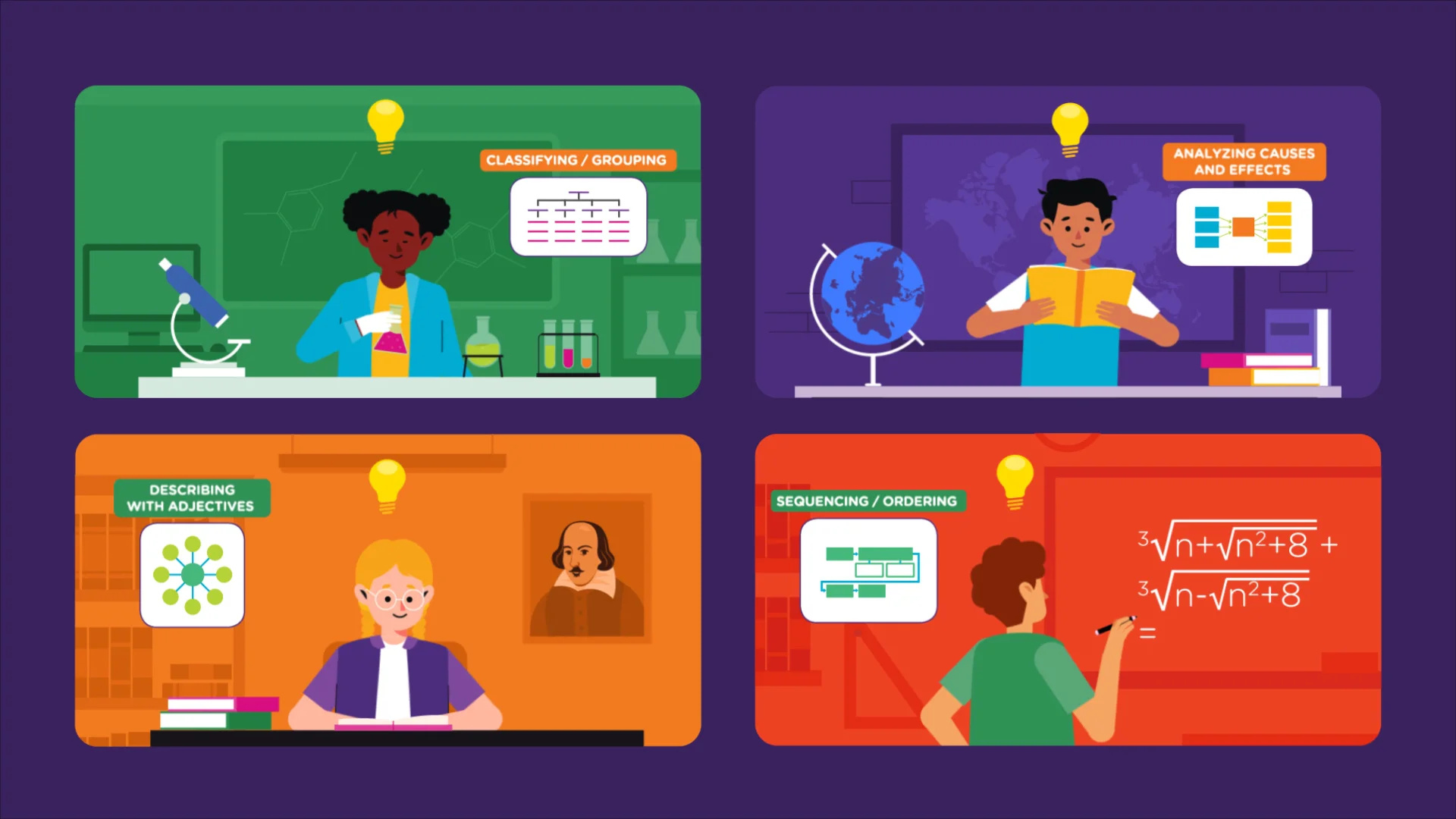
The "Mind Visualization" Tool Popular in European and American Classrooms: "Thinking Maps" - 8 Types of Mind Maps
Thinking Maps are a set of visual tools designed to help students organize and represent their thoughts, ideas, and information in a structured manner. Originating from the work of Dr. David Hyerle in the 1980s, these maps have gained widespread adoption in educational settings across Europe and America as a powerful "mind visualization" technique. Unlike traditional note-taking or rote memorization, Thinking Maps engage learners by tapping into visual-spatial intelligence, making complex concepts more accessible and fostering critical thinking skills. They serve as a common visual language in classrooms, enabling teachers to guide students through various cognitive processes such as defining, comparing, sequencing, and classifying. The popularity of Thinking Maps stems from their versatility and alignment with modern pedagogical approaches that emphasize metacognition and student-centered learning. By providing a framework for clear communication and deeper understanding, these tools have become integral to curricula in subjects ranging from language arts and science to social studies and mathematics, helping educators meet diverse learning needs and promote academic success.
We focus on sharing high-quality original content covering diverse fields such as technology & digital, life essays, and practical useful tips. We polish every article with care to bring you a warm and in-depth reading experience. Explore more interesting new knowledge only at FunLab666.