
3 Step Frequency Goals and 2 Efficient Walking Postures
🏁 Introduction: Why Your Walking Strategy Matters
Walking is often hailed as the most accessible and fundamental form of exercise. Yet, for something so simple, there is a profound depth to mastering it for optimal health, fitness, and well-being. Moving beyond a casual stroll requires intention and strategy. This guide focuses on two pivotal, interconnected pillars: Frequency and Form. Setting clear step-frequency goals provides the structure and motivation for consistency, while adopting efficient walking postures ensures that every step you take is powerful, safe, and effective. Whether your aim is to boost cardiovascular health, manage weight, improve mental clarity, or enhance overall vitality, aligning your step goals with proper biomechanics is the key to unlocking the full transformative potential of this simple act. Let's explore how to intelligently structure your walking routine and perfect your stride.
🎯 1. The Foundation: Understanding Step Frequency Goals

Before lacing up your shoes, it's crucial to define "why" you're walking. A one-size-fits-all goal, like the famous 10,000 steps, isn't optimal for everyone. Effective goals are personalized, progressive, and tied to specific outcomes. They provide a measurable target, turning a nebulous intention ("I should walk more") into a concrete plan. We will break down three primary frequency goal tiers, each designed for different fitness levels and objectives, moving from general health maintenance to performance-oriented training.
1.1 🥇 The Baseline Health Goal: 7,500 - 8,500 Steps Daily
This tier is the cornerstone for individuals new to consistent exercise or focusing primarily on general wellness. Research, including studies published in journals like JAMA, suggests that mortality benefits significantly increase up to around 7,500-8,000 steps per day, with diminishing returns beyond that point for longevity.
Primary Focus: Reducing sedentary behavior, improving circulation, supporting mental health, and maintaining basic musculoskeletal health.
Implementation Strategy:
- Start Low, Go Slow: If you're currently at 3,000 steps, aim for 5,000, then gradually add 500-1,000 steps per week.
- Incorporate Lifestyle Activity: Park farther away, take a short walk during lunch, opt for stairs. These "non-exercise" steps count immensely.
- Consistency Over Intensity: The goal here is daily adherence. A steady 8,000 steps every day is far better than 15,000 one day and 2,000 the next.
This goal is less about intense calorie burn and more about building a sustainable habit that counters the dangers of prolonged sitting and activates your body's essential systems daily.
1.2 🥈 The Weight Management & Fitness Goal: 10,000 - 12,000 Steps Daily
Stepping into this range increases energy expenditure and cardiovascular challenge, making it ideal for fat loss and improved fitness. The 10,000-step mark, while originally a marketing tool, is a excellent psychological benchmark that equates to roughly 5 miles or 8 kilometers, providing a substantial calorie deficit when combined with sensible nutrition.
Primary Focus: Creating a consistent calorie burn, enhancing cardiovascular endurance, and improving body composition.
Implementation Strategy:
- Intentional Walks: This requires dedicated time. Schedule a 30-60 minute brisk walk as you would any important appointment.
- Introduce Intervals: During your walk, add 1-2 minute bursts of faster-paced walking or walking uphill to elevate heart rate.
- Track Nutrition: Pair this step goal with mindful eating. The increased activity supports a moderate calorie deficit without extreme dietary restriction.
This tier is for those ready to commit more time and effort, using walking as a primary engine for weight control and noticeable fitness gains.
1.3 🥉 The Performance & Athletic Goal: 15,000+ Steps with Intensity Variation
This advanced tier is for individuals who use walking as a serious training modality or have highly active jobs/lifestyles. It's not just about high volume but intelligently varying the intensity and terrain to build exceptional endurance, leg strength, and mental fortitude.
Primary Focus: Building exceptional aerobic capacity, training for hiking or walking events, and maximizing metabolic health benefits.
Implementation Strategy:
- Structured Weekly Plan: Include long, slow distance walks (90+ minutes), tempo walks at a challenging but steady pace, and hill repeat sessions.
- Load Carrying: Use a weighted vest or backpack (start with 5-10% of body weight) to increase resistance and bone-loading benefits.
- Prioritize Recovery: At this volume, proper footwear, nutrition, hydration, and rest days are non-negotiable to prevent overuse injuries.
This approach transforms walking from a fitness activity into a sport, demanding and rewarding a higher level of planning and dedication.
🚶 2. The Engine: Mastering Efficient Walking Posture
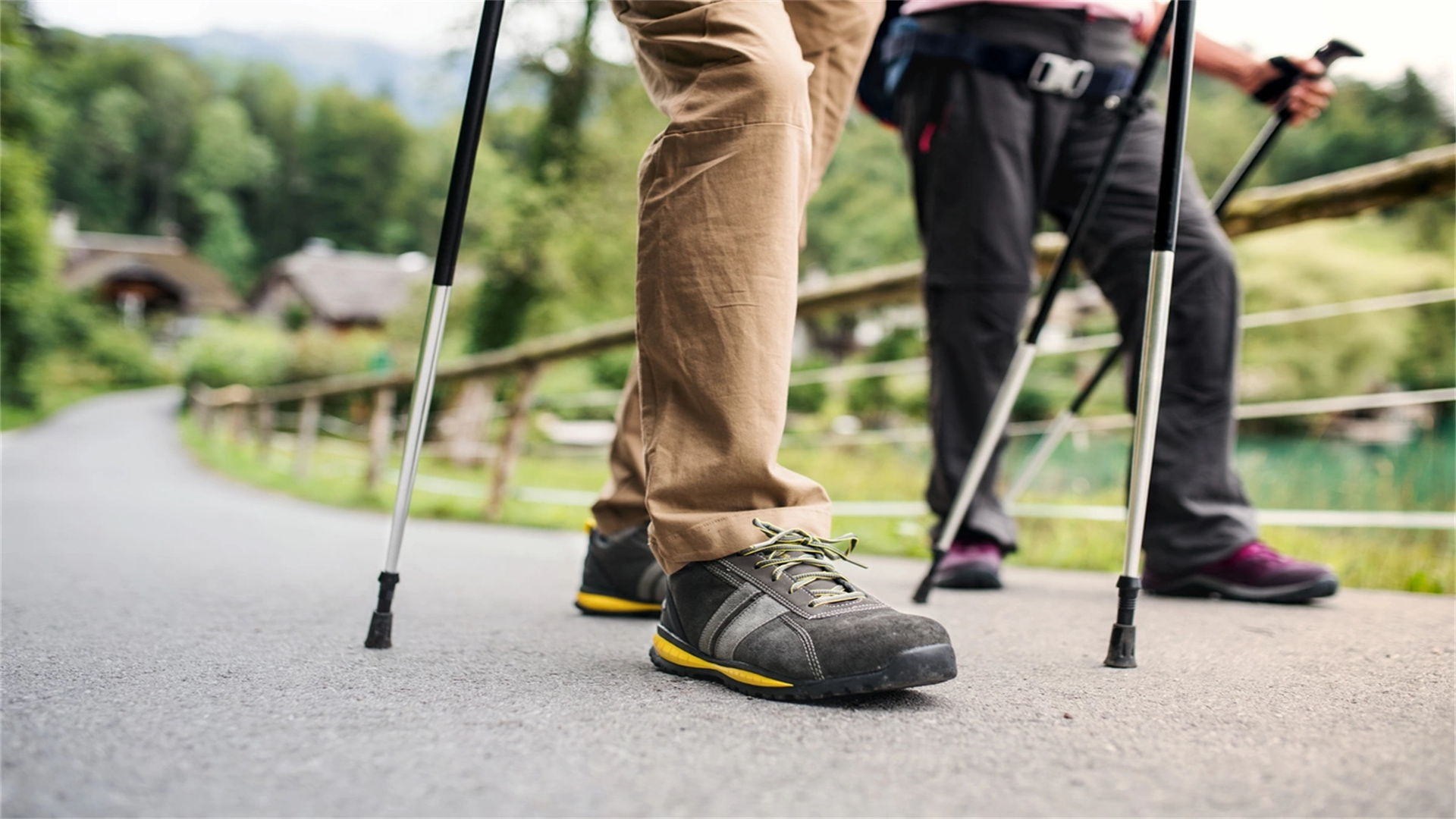
Now that you know how often and how far to walk, it's time to ensure *how* you walk is serving you. Poor posture—like slouched shoulders, a forward head, or shuffling feet—can lead to neck, back, hip, and knee pain, negating the benefits of your effort. Efficient posture, on the other hand, aligns your skeleton, engages the correct muscles, boosts oxygen intake, and makes walking feel easier and more dynamic. We will dissect two foundational postures: one for standard brisk walking and another for maximizing power and speed.
2.1 🧘 The Aligned & Efficient Brisk Walk Posture
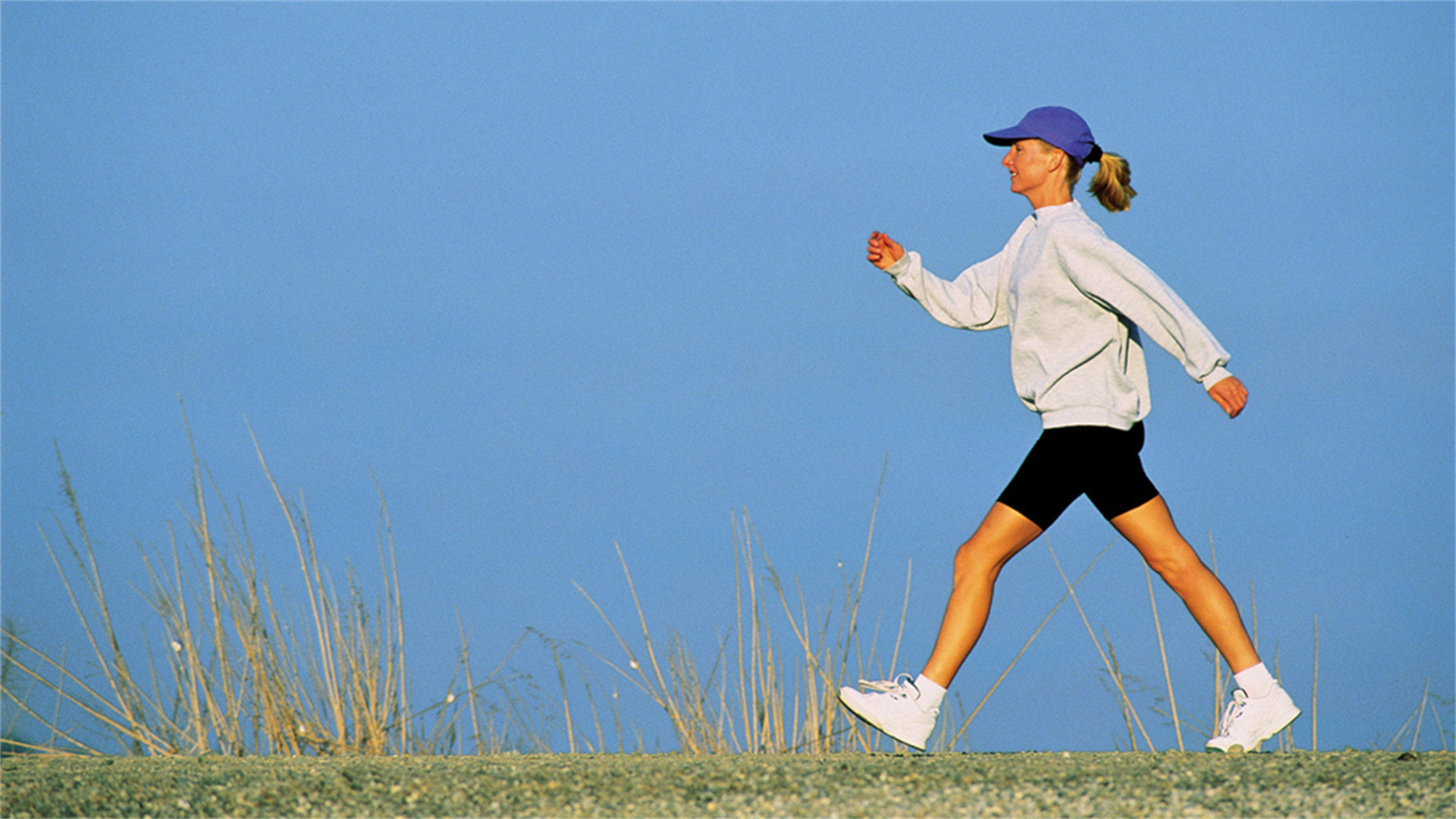
This is the gold-standard posture for daily, health-focused walking. Imagine a string pulling you gently upward from the crown of your head.
Key Technical Cues:
- Head & Gaze: Keep your head level, chin parallel to the ground. Look forward about 10-20 feet, not down at your feet. This aligns the cervical spine.
- Shoulders & Chest: Roll your shoulders back and down, away from your ears. Gently draw your shoulder blades together to open the chest, allowing for full lung expansion.
- Core & Spine: Gently engage your abdominal muscles as if bracing for a light tap. This stabilizes your torso and protects your lower back. Maintain a neutral spine—not arched forward or backward.
- Arm Swing: Bend elbows at about 85-90 degrees. Swing arms forward and back, not across the body, in a rhythm opposite your legs. Your hands should swing from chest height to just past your hip.
- Stride & Footstrike: Avoid overstriding (reaching your foot too far forward). Let your stride length come naturally from pushing off with your back foot. Aim for a midfoot strike, rolling smoothly from heel to toe.
Common Fault & Fix: Fault: Leaning the entire torso forward from the ankles. Fix: Think about maintaining a tall, upright column. Your forward momentum should come from a slight, full-body lean, not a bent waist.
2.2⚡The Powerful Race-Walking & Speed Posture
Derived from competitive race-walking technique, this posture is for when you want to dramatically increase pace, heart rate, and glute/hamstring engagement. It emphasizes powerful hip rotation and posterior chain activation.
Key Technical Cues:
- Increased Forward Lean: Initiate a slight, full-body lean from the ankles, not the waist. This uses gravity to propel you forward.
- Aggressive Hip Rotation: Focus on driving your thigh forward from the hip socket. As your leg swings forward, your hip on that side will naturally rotate slightly forward. This increases stride length and power from the core.
- Pronounced Arm Drive: The arm swing becomes more vigorous and linear. Hands drive straight back like pulling a rope, elbows brushing the torso. On the forward swing, hands should not rise above breastbone height.
- Powerful Push-Off: The focus shifts to the back leg. Actively push off through the ball of your foot and toes, engaging the calf and glute to propel yourself forward. You should feel your glutes working.
- Quick Cadence: This style pairs with a faster step turnover (cadence). Aim for 130-140 steps per minute. Shorter, quicker steps with powerful push-offs are more efficient than long, lumbering strides.
Common Fault & Fix: Fault: Bouncing up and down with each step (vertical oscillation). Fix: Focus on driving forward, not upward. Imagine skimming just above the ground. Keep your head level.
🔗 3. Synergy in Practice: Combining Goals and Posture

The true magic happens when you marry your frequency goals with conscious posture. For example, aiming for the 10,000-step weight management goal is exponentially more effective when you maintain the Aligned Brisk Walk posture, ensuring maximal calorie burn and muscle engagement. Attempting a 15,000-step performance day with a slouched posture is a recipe for injury and inefficiency. Your posture should adapt to your goal's intensity: use the Aligned posture for your baseline and recovery days, and integrate the Powerful posture during your scheduled tempo or interval sessions within your higher-step goals. This mindful integration turns walking from a mundane task into a refined skill.
✅Conclusion: Your Personalized Path Forward
Walking is a deceptively simple tool with layers of complexity that can be tailored to any fitness level or ambition. By first selecting your appropriate step-frequency goal—Baseline Health (7.5-8.5K), Weight Management (10-12K), or Performance (15K+)—you create a clear, measurable framework for your efforts. Then, by diligently practicing either the Aligned Brisk Walk or the Powerful Speed posture, you ensure every step within that framework is building a stronger, healthier, and more resilient you. Start today: choose your goal, stand tall, swing your arms, and step confidently toward your health objectives. The path to well-being is literally right in front of you, one perfectly placed step at a time.
You May Have Missed

Dentist Demonstrates the Bass Brushing Technique and 6 Essential Cleaning Tools
For many, the daily ritual of brushing teeth is a quick, automatic task—a few hurried swipes before rushing out the door. However, this common approach often misses the mark, leaving plaque to accumulate dangerously along the gum line and between teeth, the very areas most susceptible to decay and gum disease. Professional dental cleanings are crucial, but the foundation of lifelong oral health is built at home, through consistent and correct technique. This article, guided by dental expertise, delves deep into the cornerstone of effective home care: the modified Bass brushing technique. We will break down this dentist-recommended method step-by-step and pair it with a detailed exploration of six essential cleaning tools. Moving beyond generic advice, this guide provides a specific, actionable blueprint to transform your oral hygiene routine from a mundane task into a powerful, preventative health practice.
Should You Apply Heat or Cold Compress First After a Sprain?
Suffering a sprain—whether from a misstep on a hike, a twist on the basketball court, or an awkward landing—is a common and painful experience. In those first critical moments of injury, the decisions you make can significantly impact your recovery speed and comfort. One of the most universal pieces of advice is to use temperature therapy, but it often leads to confusion: Should you reach for the ice pack or the heating pad first? Using the wrong one at the wrong time can inadvertently increase swelling, pain, and prolong healing. This article cuts through the confusion by exploring the distinct physiological effects of heat and cold, providing a clear, step-by-step protocol based on established medical guidelines, and debunking common myths. Understanding the "why" behind the "what to do" empowers you to manage your injury effectively from the first sign of a sprain through to full recovery.

Insomnia Isn't Just About Melatonin! 5 Steps to Reset Your Sleep Clock
For many struggling with sleepless nights, the solution seems to be found in a bottle. Melatonin supplements have become the go-to remedy, a quick fix for a body that won't quiet down. While melatonin plays a crucial role in signaling sleepiness, chronic insomnia is rarely just a simple hormone deficiency. It's often a symptom of a misaligned circadian rhythm—your internal sleep clock that dictates your sleep-wake cycle, hormone release, and body temperature. Resetting this master clock requires a holistic approach that goes far beyond supplementation. It's about retraining your brain and body to recognize when it's truly time for rest. This guide delves into five foundational, science-backed steps to synchronize your circadian rhythm and reclaim restorative sleep.
We focus on sharing high-quality original content covering diverse fields such as technology & digital, life essays, and practical useful tips. We polish every article with care to bring you a warm and in-depth reading experience. Explore more interesting new knowledge only at FunLab666.