
Should You Apply Heat or Cold Compress First After a Sprain?
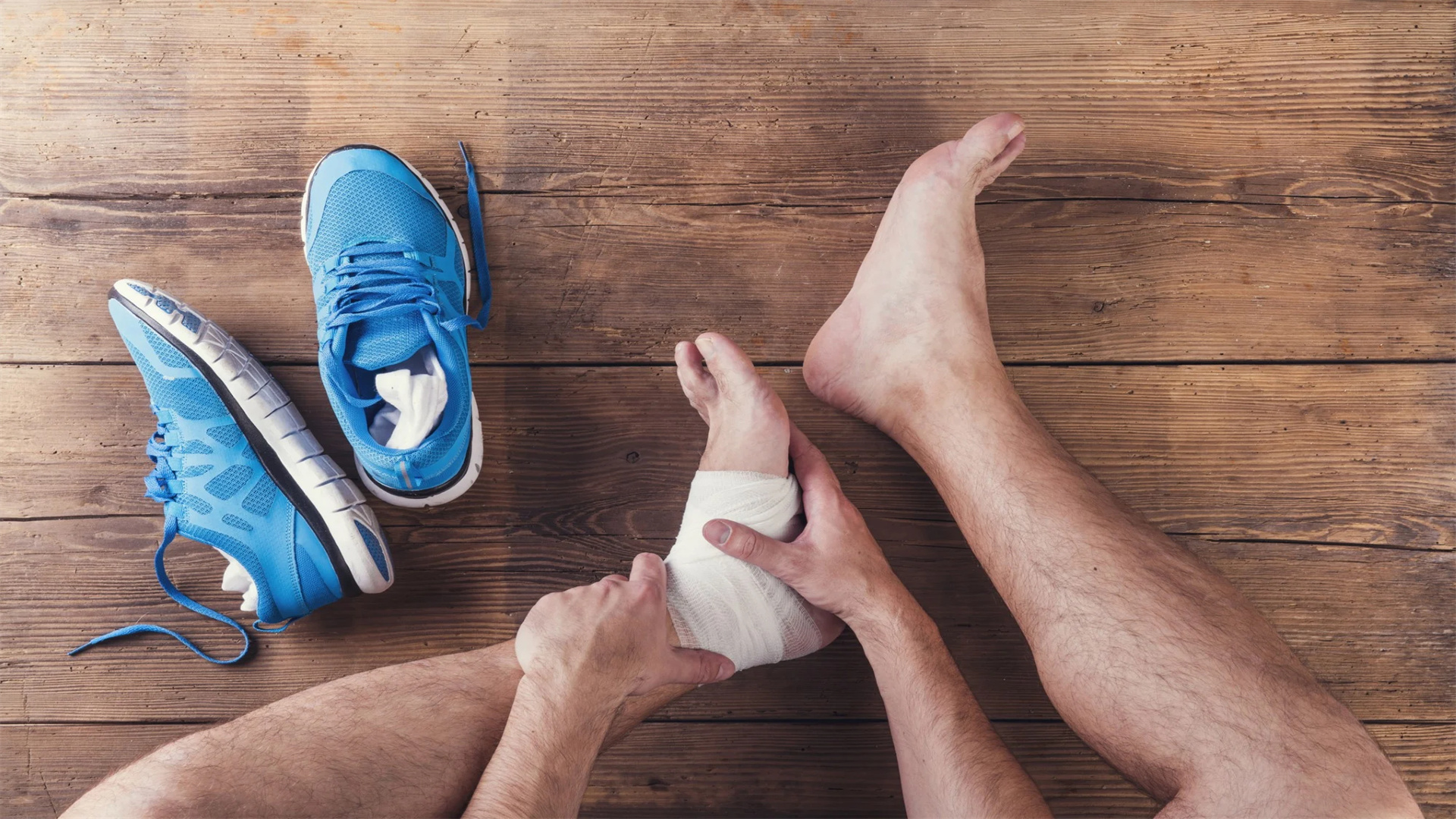
Suffering a sprain—whether from a misstep on a hike, a twist on the basketball court, or an awkward landing—is a common and painful experience. In those first critical moments of injury, the decisions you make can significantly impact your recovery speed and comfort. One of the most universal pieces of advice is to use temperature therapy, but it often leads to confusion: Should you reach for the ice pack or the heating pad first? Using the wrong one at the wrong time can inadvertently increase swelling, pain, and prolong healing. This article cuts through the confusion by exploring the distinct physiological effects of heat and cold, providing a clear, step-by-step protocol based on established medical guidelines, and debunking common myths. Understanding the "why" behind the "what to do" empowers you to manage your injury effectively from the first sign of a sprain through to full recovery.
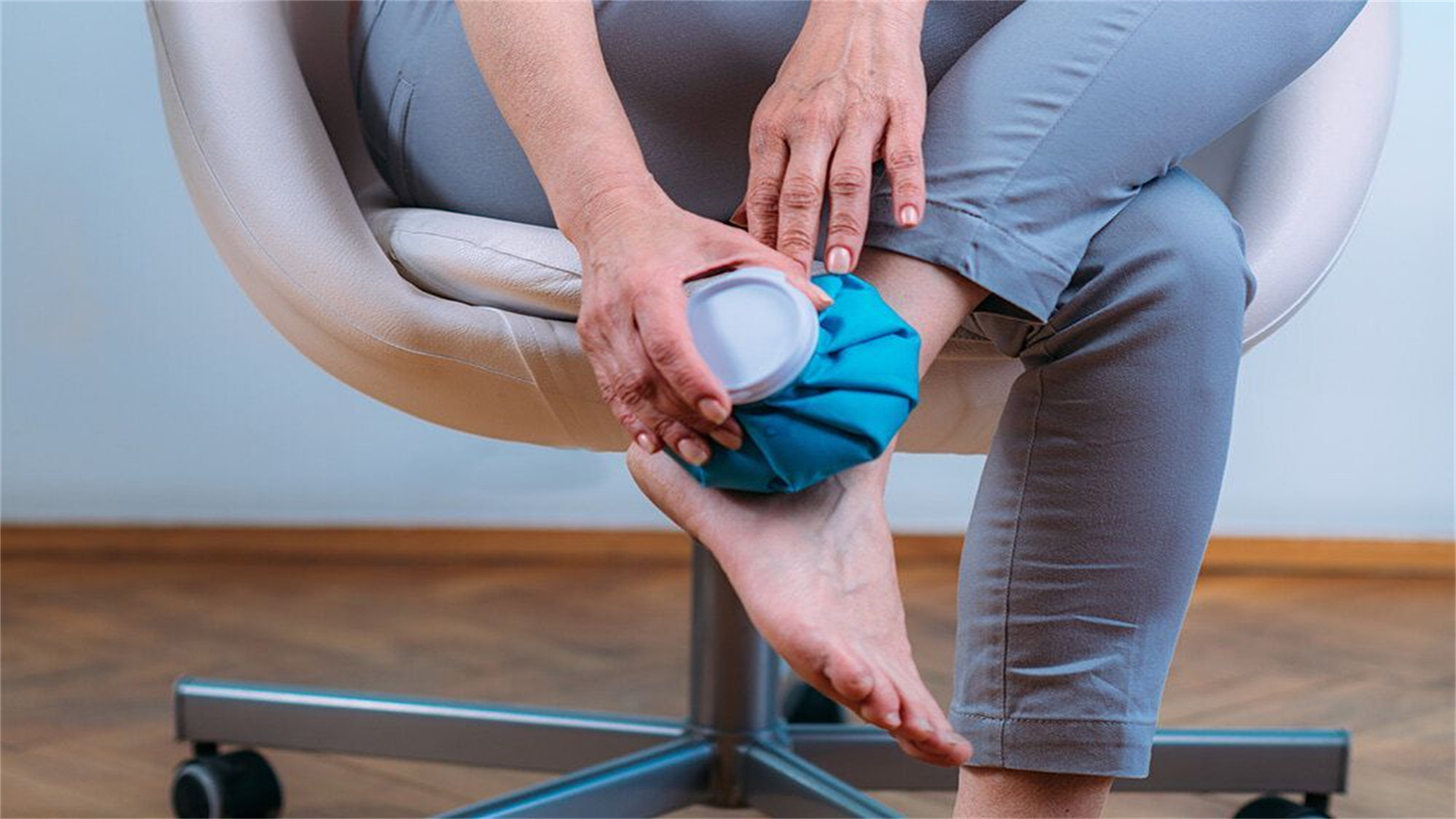
1.❄️The Critical Role of Cold Therapy (Cryotherapy) in the Acute Phase
Immediately after a sprain and for the first 24 to 72 hours, your body launches an inflammatory response. This is a natural and necessary part of healing, bringing blood, nutrients, and immune cells to the damaged area. However, this process often goes into overdrive, leading to excessive swelling (edema), pain, and bruising. This is where cold therapy becomes your first line of defense.
❄️How Cold Works on a Fresh Injury
Applying cold causes vasoconstriction—the narrowing of blood vessels. This physiological reaction is key to managing the acute phase of a sprain.
⏱️The Golden Window: Immediate Application
Medical consensus strongly recommends applying cold as soon as possible after the injury occurs. The "golden window" is within the first 10-20 minutes. Quick application can preemptively limit the severity of the inflammatory response, making the entire recovery process more manageable.
✅Best Practices for Applying Cold
To be effective and safe, follow these guidelines: Use a commercial gel pack, a bag of frozen peas (which conforms well to the body's shape), or ice wrapped in a thin towel. Never apply ice directly to the skin. Apply the cold compress to the injured area for 15-20 minutes at a time. Allow the skin to return to its normal temperature completely (at least 45-60 minutes) before reapplying. This cycle can be repeated every 2-3 hours for the first 48-72 hours, depending on the severity of the sprain.
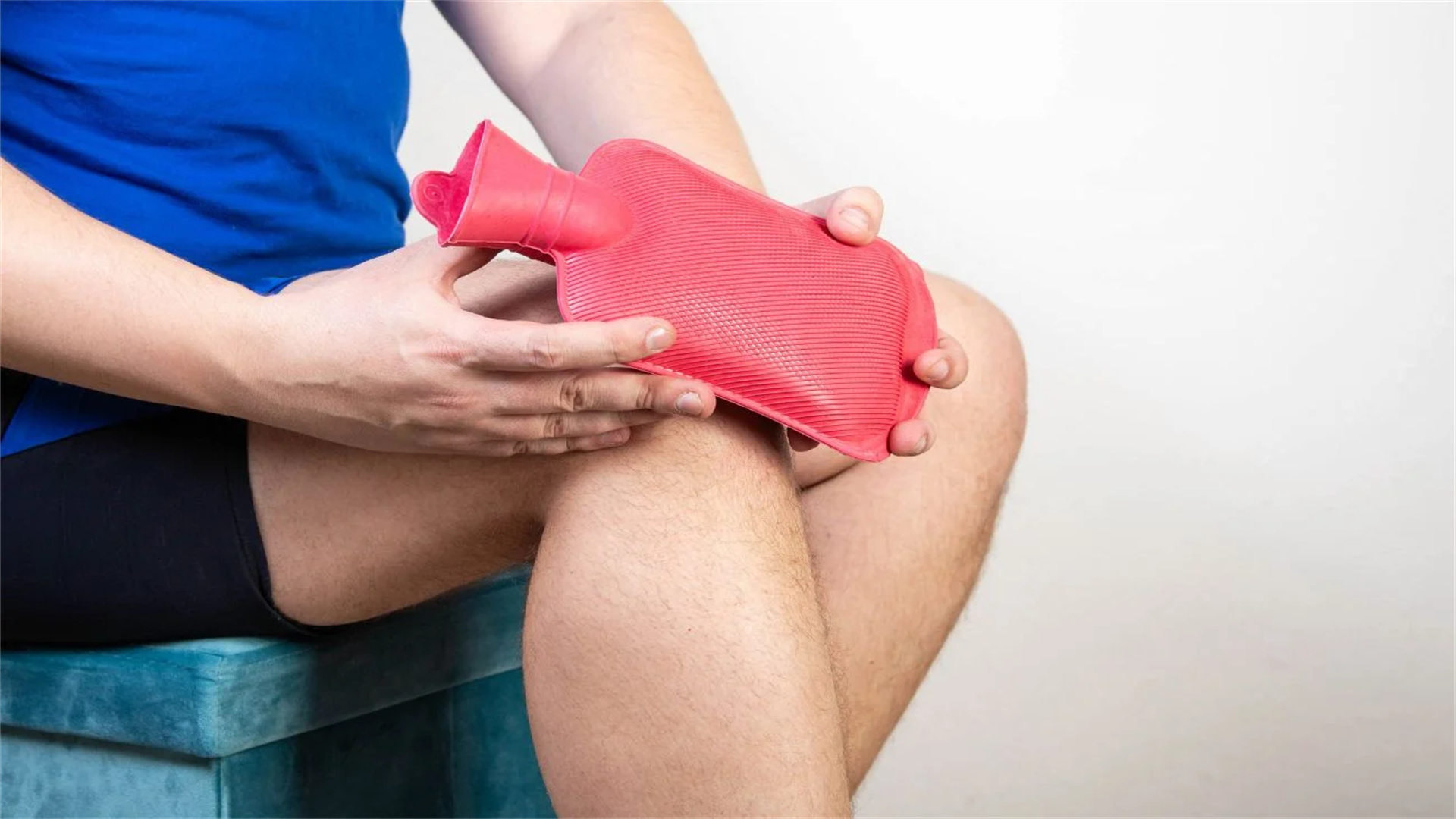
2. 🔥 The Purpose of Heat Therapy (Thermotherapy) in Recovery
While cold is for the initial, inflammatory stage, heat therapy plays a completely different and equally vital role later in the healing process. Typically, heat should only be introduced after the acute swelling has subsided, usually no sooner than 48-72 hours post-injury, and often much later for severe sprains.
🔥 How Heat Promotes Healing
Heat therapy works through vasodilation—the widening of blood vessels. This increased blood flow delivers oxygen and nutrients essential for tissue repair and helps flush away metabolic waste products that have accumulated in the area.
🎯 Ideal Uses for Heat on a Sprain
Heat is most beneficial for: Relieving the stiffness and muscle tension that often set in after the initial acute pain fades. It's excellent before gentle rehabilitation exercises or stretching, as it makes the tissues more pliable and can improve range of motion. It can soothe the chronic, aching pain associated with the later stages of healing, often described as a dull throb.
⚠️Important Heat Application Warnings
Never use heat on a fresh, swollen injury. This will increase blood flow to the area and exacerbate swelling and pain. Use a warm (not hot) heating pad, a warm towel, or take a warm bath. Test the temperature on a sensitive area like your inner forearm first. Apply for 15-20 minutes at a time, ensuring you have a protective layer between the heat source and your skin to prevent burns.
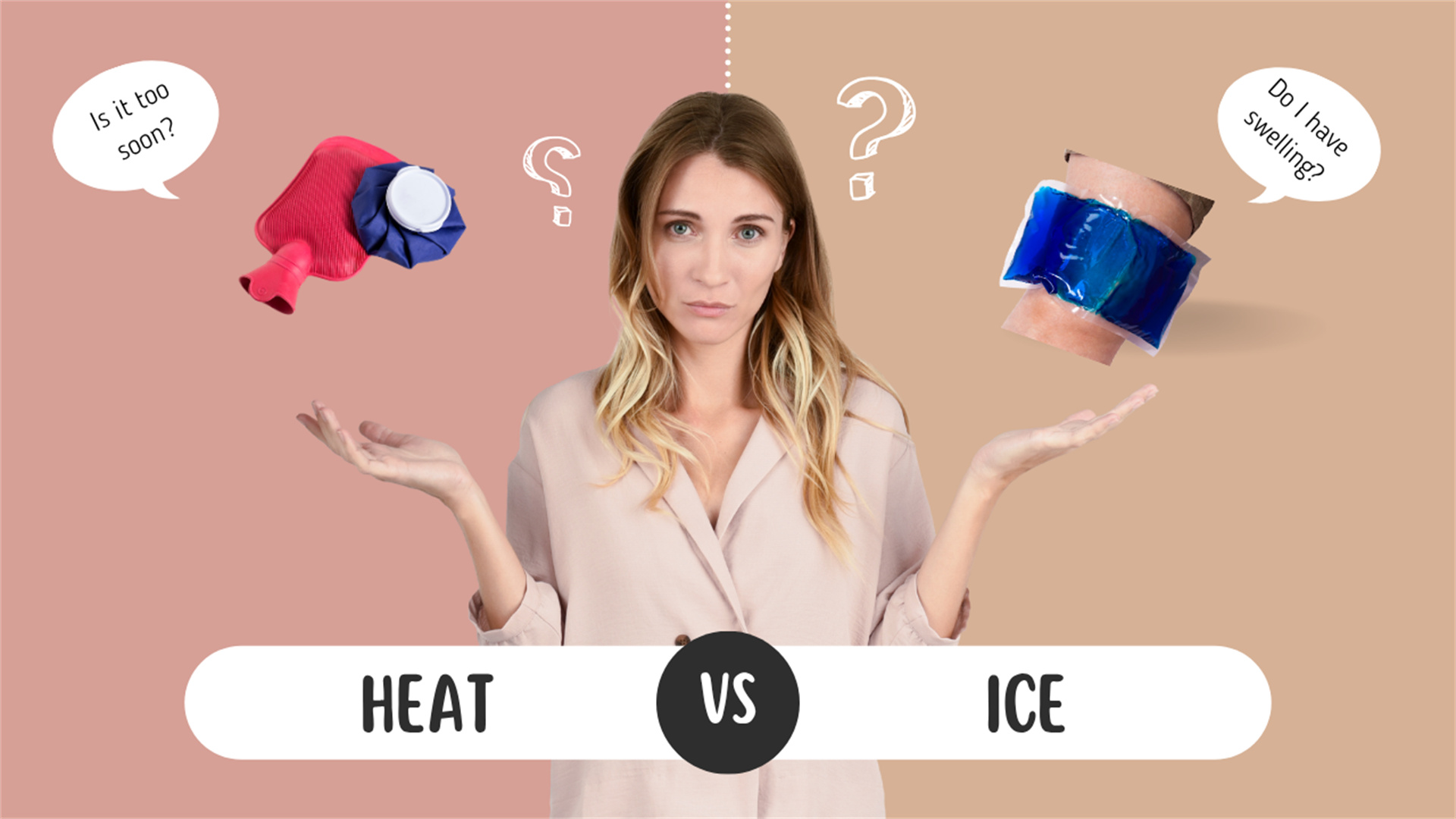
3.⚖️The Definitive Order: Why Cold Almost Always Comes First
The answer to the central question is clear: For a new, acute sprain, always apply cold first. This protocol, often summarized by the acronyms R.I.C.E. (Rest, Ice, Compression, Elevation) or its modern successor P.O.L.I.C.E. (Protection, Optimal Loading, Ice, Compression, Elevation), is founded on solid physiological principles.
🔄 The Physiological Timeline of Healing
Healing occurs in overlapping phases: the inflammatory phase (0-72 hours), the proliferative/repair phase (3 days to 6 weeks), and the remodeling phase (6 weeks to 1+ year). Cold therapy is specifically targeted at managing the first phase. Applying heat during this phase disrupts the body's natural, if overzealous, healing mechanism and can lead to a larger, more painful area of swelling, delaying progression to the next phase.
🩺 Evidence-Based Protocol: From Day 1 to Day 7 and Beyond
Days 1-3 (Acute Phase): Prioritize Cold. Follow the 15-20 minutes on, 45-60+ minutes off cycle. Combine with rest, compression (with an elastic bandage), and elevation (above heart level).
Days 4-7 (Subacute Phase): Transition Carefully. Swelling should be significantly reduced. You may begin to transition, using cold after any rehabilitation activity if there is renewed swelling or pain, and experimenting with mild heat before gentle stretching if the area is stiff but not swollen.
Week 2+ (Remodeling Phase): Utilize Heat for Rehabilitation. Heat becomes more valuable to prepare stiff tissues for controlled movement, strengthening exercises, and physical therapy. Ice may still be used after exercise if the area reacts with swelling.

4. 🚫 Common Myths and Mistakes to Avoid
Despite clear guidelines, several persistent myths can lead to improper care and prolonged recovery.
🤔 Myth 1: "Heat feels better immediately, so I'll use that."
The initial soothing warmth can mask pain briefly, but it accelerates inflammation. The relief is short-lived and will likely be followed by increased pain and swelling an hour later.
⏳Myth 2: "Icing for 5 minutes is enough / I should ice for an hour straight."
Both are ineffective or harmful. Short durations don't achieve deep therapeutic effects. Prolonged icing (beyond 20-30 minutes) risks tissue damage, nerve injury, or frostbite. Stick to the 15-20 minute rule.
🔄 Myth 3: "Alternating heat and cold right away is the best approach."
Contrast therapy (alternating hot and cold) has its place, but not in the first 72 hours. It is an advanced technique sometimes used in later rehabilitation stages to stimulate circulation and reduce stiffness. Starting it too early re-ignites inflammation.
💊 Myth 4: "I don't need to ice if I'm taking anti-inflammatory medication."
Oral medications (like ibuprofen) and cryotherapy work through different mechanisms. Using them together is synergistic—the ice manages localized swelling and pain at the source, while the medication works systemically. They are complementary, not interchangeable.
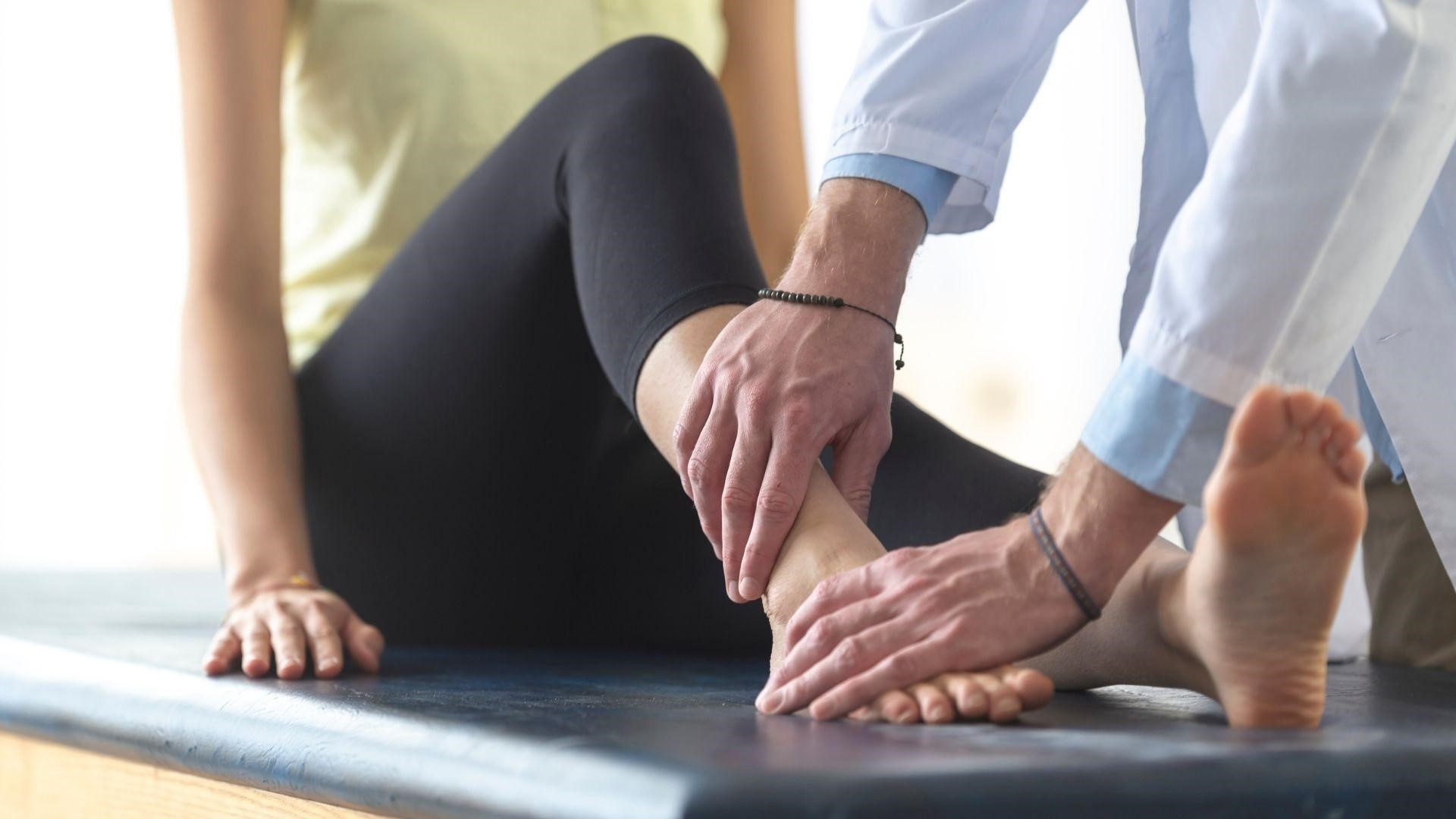
5. 🚨 When to Skip the Home Care and See a Doctor
While most mild sprains can be managed at home, certain "red flag" symptoms indicate a more serious injury, such as a severe ligament tear (rupture) or a fracture, which require professional medical evaluation.
🔴 Major Red Flags
Seek immediate medical attention if you experience: An audible "pop" or "snap" at the time of injury. Inability to bear any weight on the limb immediately or 24 hours later. Significant deformity of the joint or limb. Numbness, tingling, or loss of color (extreme pallor or blueness) in the injured area or digits beyond it. These signs may indicate a fracture, complete ligament rupture, or neurovascular compromise.
🟡 Signs You Should Schedule a Doctor's Visit
Consult a physician if: Severe pain and swelling do not start to improve within 48-72 hours of consistent cold therapy and elevation. You have no improvement in mobility or stability after 7-10 days. You have recurrent sprains of the same joint, indicating potential chronic instability. You are unsure of the severity of the injury. A professional diagnosis may involve physical exams, X-rays, or an MRI to rule out fractures and assess ligament damage.
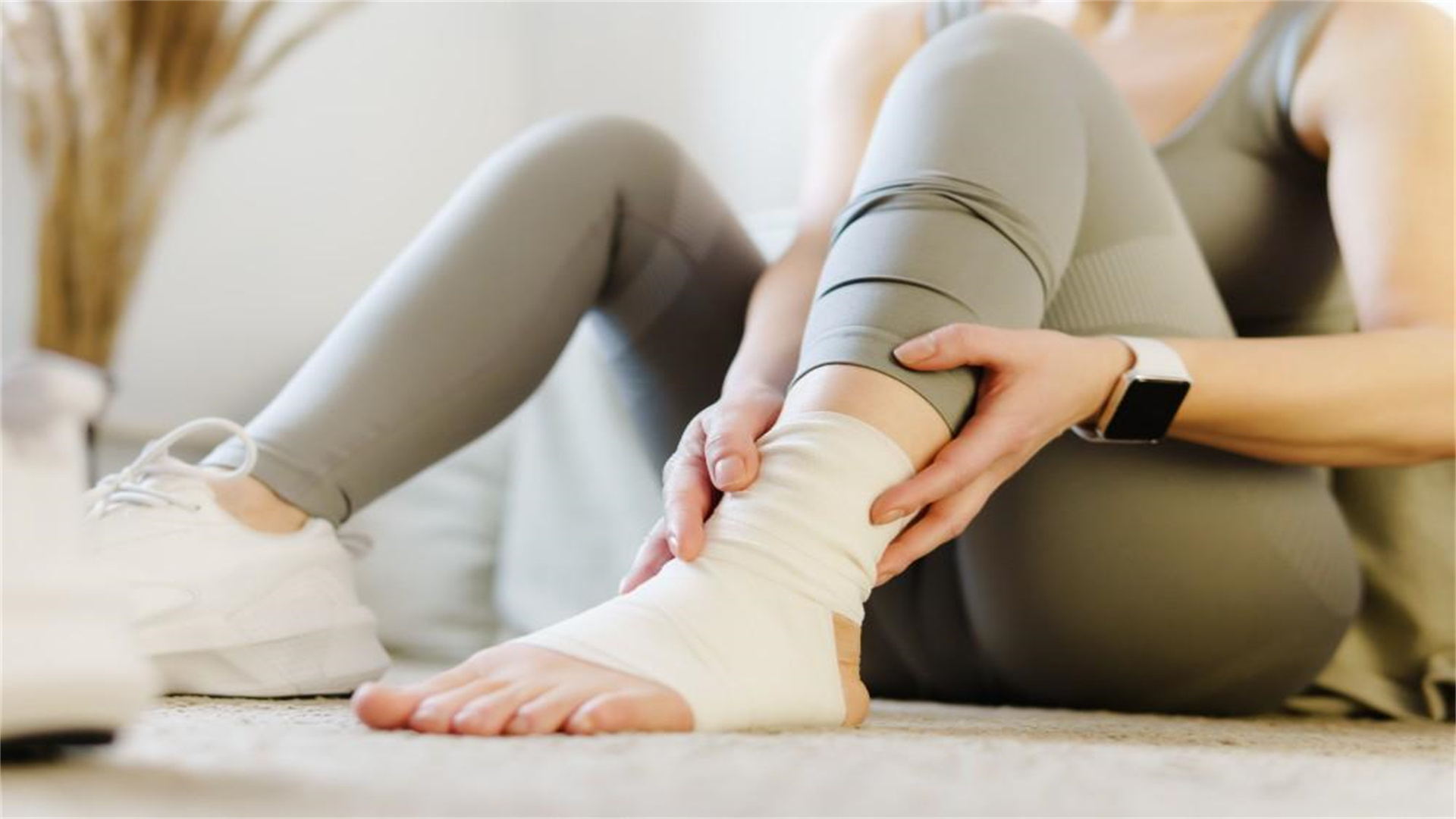
6.✅Summary and Final Actionable Recommendations
Navigating post-sprain care correctly accelerates healing, minimizes discomfort, and helps you return to activity safely. The fundamental principle is timing: match the therapy to the stage of healing.
📋 Your Quick-Reference Action Plan
Step 1: Assess. Determine if it's a new, acute injury (swollen, painful, recent) or a lingering, stiff issue (swelling down, movement limited).
Step 2: Choose Your Weapon. For acute injuries (0-72 hours), choose COLD. For subacute/chronic stiffness (72+ hours), choose HEAT (if no swelling is present).
Step 3: Apply Correctly. Cold: 15-20 minutes, protected by a cloth, every 2-3 hours. Heat: 15-20 minutes of warm (not hot) therapy before activity.
Step 4: Listen to Your Body. If heat increases swelling, stop and return to cold. If ice causes numbness or skin blotchiness, reduce application time.
Step 5: Integrate with Other Measures. Always pair temperature therapy with Protection/Rest, Optimal Loading (gentle movement as tolerated), Compression, and Elevation (P.O.L.I.C.E.).
By understanding the science behind heat and cold, you move beyond memorizing a rule to applying a principle. Cold first, heat later is not just a saying; it's a guideline that respects your body's natural healing timeline. When in doubt, err on the side of cold for recent injuries, and never hesitate to seek professional medical advice for severe or persistent symptoms. Your swift and informed action in the crucial moments after a sprain sets the stage for a smooth and complete recovery.
You May Have Missed
Dentist Demonstrates the Bass Brushing Technique and 6 Essential Cleaning Tools
For many, the daily ritual of brushing teeth is a quick, automatic task—a few hurried swipes before rushing out the door. However, this common approach often misses the mark, leaving plaque to accumulate dangerously along the gum line and between teeth, the very areas most susceptible to decay and gum disease. Professional dental cleanings are crucial, but the foundation of lifelong oral health is built at home, through consistent and correct technique. This article, guided by dental expertise, delves deep into the cornerstone of effective home care: the modified Bass brushing technique. We will break down this dentist-recommended method step-by-step and pair it with a detailed exploration of six essential cleaning tools. Moving beyond generic advice, this guide provides a specific, actionable blueprint to transform your oral hygiene routine from a mundane task into a powerful, preventative health practice.

Not Doing These 5 Dynamic Stretches Before Exercise May Be a Waste of Time and May Lead to Injury!
When it comes to pre-exercise routines, many fitness enthusiasts often overlook the importance of dynamic stretching, opting instead for static stretches or skipping warm-ups altogether. However, scientific research and athletic training practices consistently highlight that dynamic stretching—active movements that take joints and muscles through their full range of motion—is crucial for priming the body for physical activity.

3 Step Frequency Goals and 2 Efficient Walking Postures
Walking is often hailed as the most accessible and fundamental form of exercise. Yet, for something so simple, there is a profound depth to mastering it for optimal health, fitness, and well-being. Moving beyond a casual stroll requires intention and strategy. This guide focuses on two pivotal, interconnected pillars: Frequency and Form. Setting clear step-frequency goals provides the structure and motivation for consistency, while adopting efficient walking postures ensures that every step you take is powerful, safe, and effective. Whether your aim is to boost cardiovascular health, manage weight, improve mental clarity, or enhance overall vitality, aligning your step goals with proper biomechanics is the key to unlocking the full transformative potential of this simple act. Let's explore how to intelligently structure your walking routine and perfect your stride.
We focus on sharing high-quality original content covering diverse fields such as technology & digital, life essays, and practical useful tips. We polish every article with care to bring you a warm and in-depth reading experience. Explore more interesting new knowledge only at FunLab666.