
Not Doing These 5 Dynamic Stretches Before Exercise May Be a Waste of Time and May Lead to Injury!
🚀 Introduction: Why Dynamic Stretching Is a Game-Changer for Your Workout
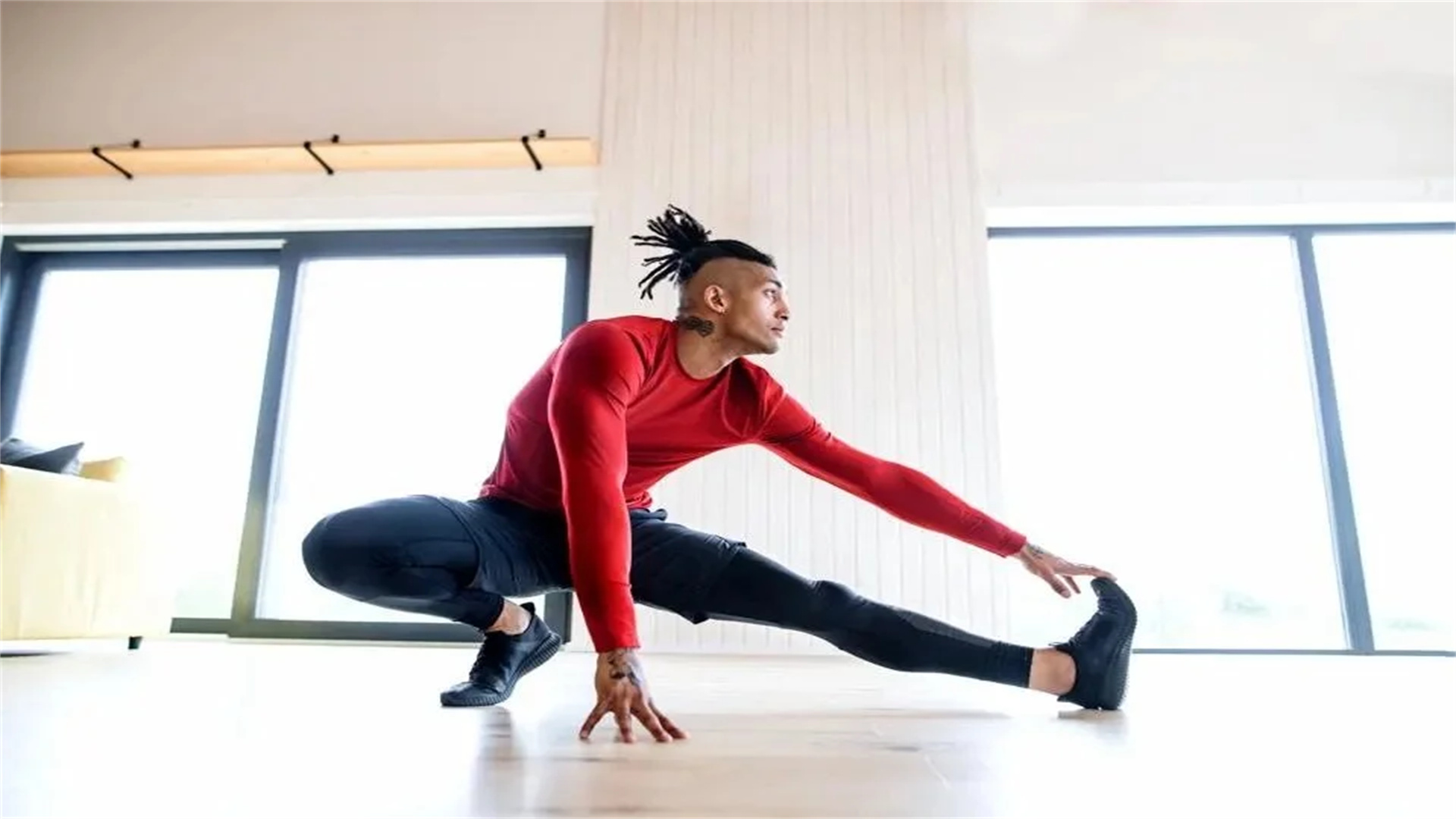
When it comes to pre-exercise routines, many fitness enthusiasts often overlook the importance of dynamic stretching, opting instead for static stretches or skipping warm-ups altogether. However, scientific research and athletic training practices consistently highlight that dynamic stretching—active movements that take joints and muscles through their full range of motion—is crucial for priming the body for physical activity. Unlike static stretching, which involves holding a position for an extended period and is better suited for post-workout recovery, dynamic stretching increases blood flow, elevates core temperature, and enhances neuromuscular coordination. Failing to incorporate dynamic stretches before exercise can render your workout less effective, as your muscles and cardiovascular system aren't fully prepared, leading to suboptimal performance. Moreover, it significantly raises the risk of injuries such as strains, sprains, and muscle tears because cold, stiff tissues are more susceptible to damage during intense movements. This article delves into five essential dynamic stretches that are non-negotiable for any exercise regimen. By neglecting these, you not only waste valuable time but also jeopardize your long-term fitness goals and physical well-being. Let's explore why each stretch matters and how to integrate them seamlessly into your warm-up routine.
1. The Science Behind Dynamic Stretching: How It Prepares Your Body
Dynamic stretching works by engaging the muscles and joints in controlled, repetitive motions that mimic the activities you'll perform during your workout. This process activates the nervous system, improves elastic response in muscles, and boosts synovial fluid production in joints, all of which contribute to better mobility and reduced injury risk. Studies show that dynamic stretches can enhance power output and agility by up to 20% compared to no stretching, making them a key component for athletes and casual exercisers alike.
2. Common Misconceptions: Dynamic vs. Static Stretching
Many people confuse dynamic stretching with static stretching, leading to improper warm-up practices. Static stretching, where you hold a stretch for 30 seconds or more, can temporarily reduce muscle strength and power if done before exercise, as it may relax the muscles too much. In contrast, dynamic stretching maintains muscle tension while increasing flexibility, making it ideal for pre-activity preparation. Understanding this distinction is vital to optimizing your workout efficiency and safety.
3. The Consequences of Skipping Dynamic Warm-Ups
Omitting dynamic stretches can lead to several negative outcomes. Physiologically, your heart rate and blood flow remain lower, delaying oxygen delivery to muscles and causing early fatigue. Biomechanically, poor joint mobility and muscle stiffness can alter movement patterns, increasing stress on ligaments and tendons. Over time, this can result in chronic issues like tendinitis or joint pain, undermining your fitness progress and overall health.
💪 1. Leg Swings: The Foundation for Hip Mobility and Injury Prevention
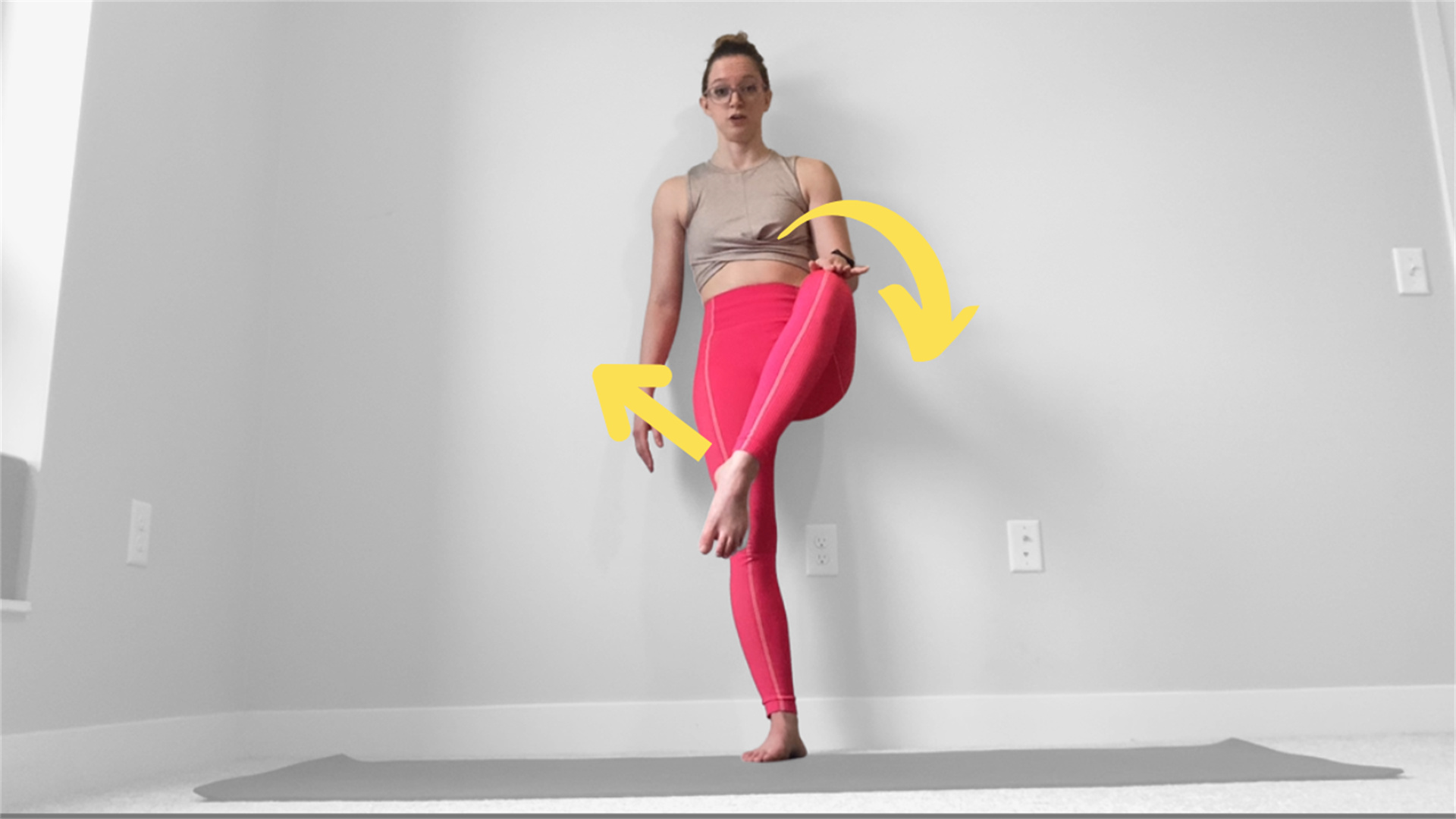
Leg swings are a fundamental dynamic stretch that targets the hips, hamstrings, and glutes, areas critical for running, jumping, and lower-body exercises. By performing leg swings, you actively increase the range of motion in your hip joints, which is essential for movements like squats, lunges, and sprints. Neglecting this stretch can leave your hips tight and unstable, compromising your form and efficiency during workouts. This not only wastes energy but also predisposes you to injuries like hip flexor strains, IT band syndrome, and lower back pain. Incorporating leg swings into your warm-up ensures that your lower body is adequately prepared for dynamic loads, enhancing performance and reducing recovery time. Below, we break down the proper technique, benefits, and risks of skipping this vital stretch.
1. How to Perform Leg Swings Correctly: Step-by-Step Guide
Stand upright next to a wall or support for balance. Swing one leg forward and backward in a controlled manner, keeping the movement smooth and gradually increasing the height of the swing. Aim for 15-20 repetitions per leg, then switch to side-to-side swings to target the abductors and adductors. Ensure your torso remains stable and avoid locking the knee of the supporting leg. This motion should feel fluid, not forced, to prevent overstretching.
2. Benefits of Leg Swings for Various Activities
Leg swings offer multifaceted benefits: they improve hip flexion and extension, which is crucial for runners to achieve longer strides; enhance lateral stability for sports like soccer or basketball; and activate the glute muscles, reducing reliance on the lower back during lifts. Additionally, they promote better balance and coordination, making them valuable for activities from weightlifting to yoga. Regular practice can lead to noticeable gains in agility and power output.
3. Risks of Omitting Leg Swings: From Minor Strains to Chronic Issues
Without leg swings, your hips may remain stiff, leading to compensatory movements that strain the knees and lower back. For instance, during a squat, limited hip mobility can cause excessive forward lean, increasing spinal stress. Over time, this can evolve into chronic conditions like bursitis or sciatica. Moreover, cold muscles are more prone to acute injuries such as hamstring pulls, especially during explosive movements, ultimately derailing your fitness routine and requiring extended recovery periods.
🔄 2. Arm Circles: Essential for Upper Body Warm-Up and Shoulder Health
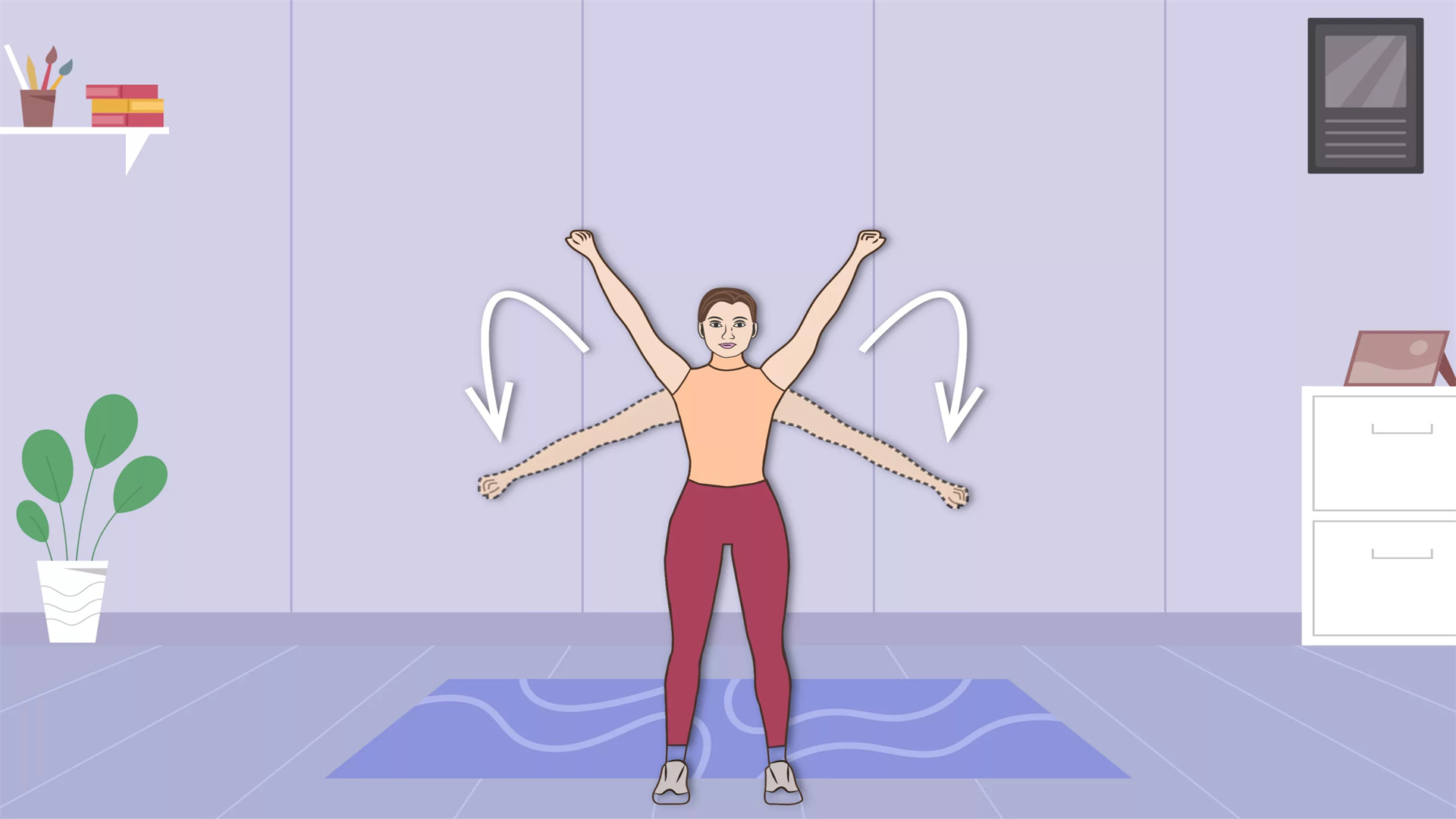
Arm circles are a simple yet effective dynamic stretch that prepares the shoulders, chest, and upper back for upper-body exercises. This movement helps lubricate the shoulder joints by increasing synovial fluid production, which is vital for overhead presses, pulls, and throwing motions. Skipping arm circles can result in poor shoulder mobility, leading to inefficient movement patterns and a higher risk of rotator cuff injuries, impingement, or tendonitis. By integrating arm circles into your warm-up, you ensure that your upper body is adequately warmed up, enhancing strength and endurance during workouts. This stretch is particularly important for athletes in sports like swimming, tennis, or weightlifting, where shoulder stability is paramount. Let's explore the proper execution, advantages, and consequences of neglecting this stretch.
1. Executing Arm Circles: Technique and Variations
Stand with feet shoulder-width apart and extend your arms out to the sides. Begin making small circular motions with your arms, gradually increasing the diameter until you reach a full range. Perform 10-15 circles forward, then reverse direction. For variation, try alternating arms or incorporating torso twists to engage the core. Keep the movements controlled and avoid jerking, which can strain the shoulders. This stretch should be performed until you feel warmth in the shoulder joints.
2. Advantages for Upper Body Performance and Posture
Arm circles enhance shoulder flexibility, allowing for deeper ranges in exercises like bench presses or pull-ups. They also activate the deltoids and trapezius, improving posture by counteracting the effects of prolonged sitting. Additionally, this stretch increases blood flow to the upper body, reducing muscle stiffness and boosting neuromuscular coordination, which translates to better control during activities like boxing or climbing. Regular use can prevent common issues like "frozen shoulder" or stiffness from sedentary lifestyles.
3. Dangers of Skipping Arm Circles: Injury Risks and Performance Deficits
Failing to warm up the shoulders with arm circles can lead to decreased range of motion, forcing you to compromise form during lifts. This often results in shoulder impingement, where tendons get pinched, causing pain and inflammation. In sports like baseball or volleyball, cold shoulders are prone to tears or dislocations during forceful throws or spikes. Moreover, poor warm-up can reduce upper body power output by up to 15%, making workouts less effective and increasing fatigue, which wastes time and effort in achieving fitness goals.
🔄 3. Torso Twists: Activating the Core and Enhancing Spinal Mobility
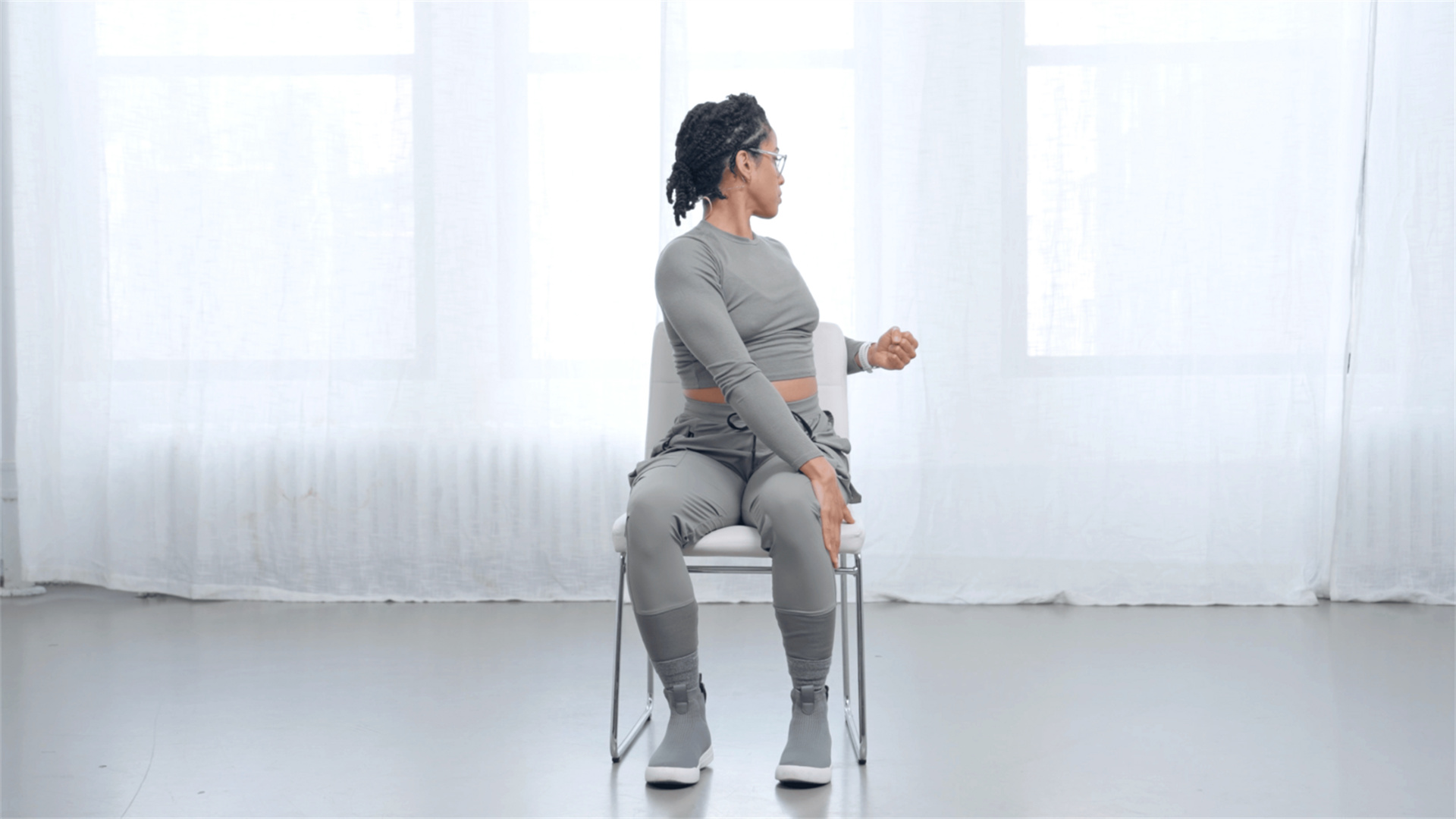
Torso twists are a dynamic stretch that targets the core muscles, including the obliques, abdominals, and lower back, while also promoting spinal flexibility. This movement is essential for exercises involving rotation, such as golf swings, tennis serves, or even everyday activities like lifting objects. Neglecting torso twists can leave your core underactivated, leading to poor stability and increased stress on the spine during dynamic movements. This not only reduces workout efficiency but also raises the risk of back injuries, such as herniated discs or muscle spasms. By incorporating torso twists, you improve rotational power, balance, and overall core engagement, ensuring a safer and more productive exercise session. Below, we detail the correct method, benefits, and potential pitfalls of omitting this stretch.
1. Performing Torso Twists Safely: Instructions and Modifications
Stand with feet hip-width apart and knees slightly bent. Extend your arms out to the sides or place hands on hips. Gently twist your torso to the right, then to the left, keeping your hips stable and allowing the movement to originate from your core. Aim for 20-30 repetitions, increasing speed gradually. For added intensity, incorporate a light weight or a medicine ball. Avoid over-twisting or jerking motions, which can strain the lower back. Focus on smooth, controlled rotations to warm up the spinal muscles effectively.
2. Benefits for Core Strength and Functional Movement
Torso twists enhance core activation, which is crucial for maintaining proper form during compound lifts like deadlifts or squats. They also improve spinal mobility, reducing stiffness and promoting better posture. This stretch is particularly beneficial for athletes in rotational sports, as it increases torque and power generation. Additionally, it aids in digestion and reduces lower back tension, making it valuable for overall health. Regular practice can lead to improved balance and reduced risk of falls, especially in older adults.
3. Risks of Ignoring Torso Twists: Back Pain and Reduced Agility
Without torso twists, your core may remain tight and unresponsive, leading to compensatory movements that overload the lower back. This can cause acute injuries like muscle strains or chronic issues such as degenerative disc disease. In activities requiring rotation, like swinging a bat or throwing, poor core warmth can result in inefficient force transfer, reducing performance and increasing injury risk. Moreover, limited spinal mobility can hinder daily movements, contributing to long-term discomfort and decreased quality of life.
🏃 4. High Knees: Boosting Cardiovascular Readiness and Lower Body Power
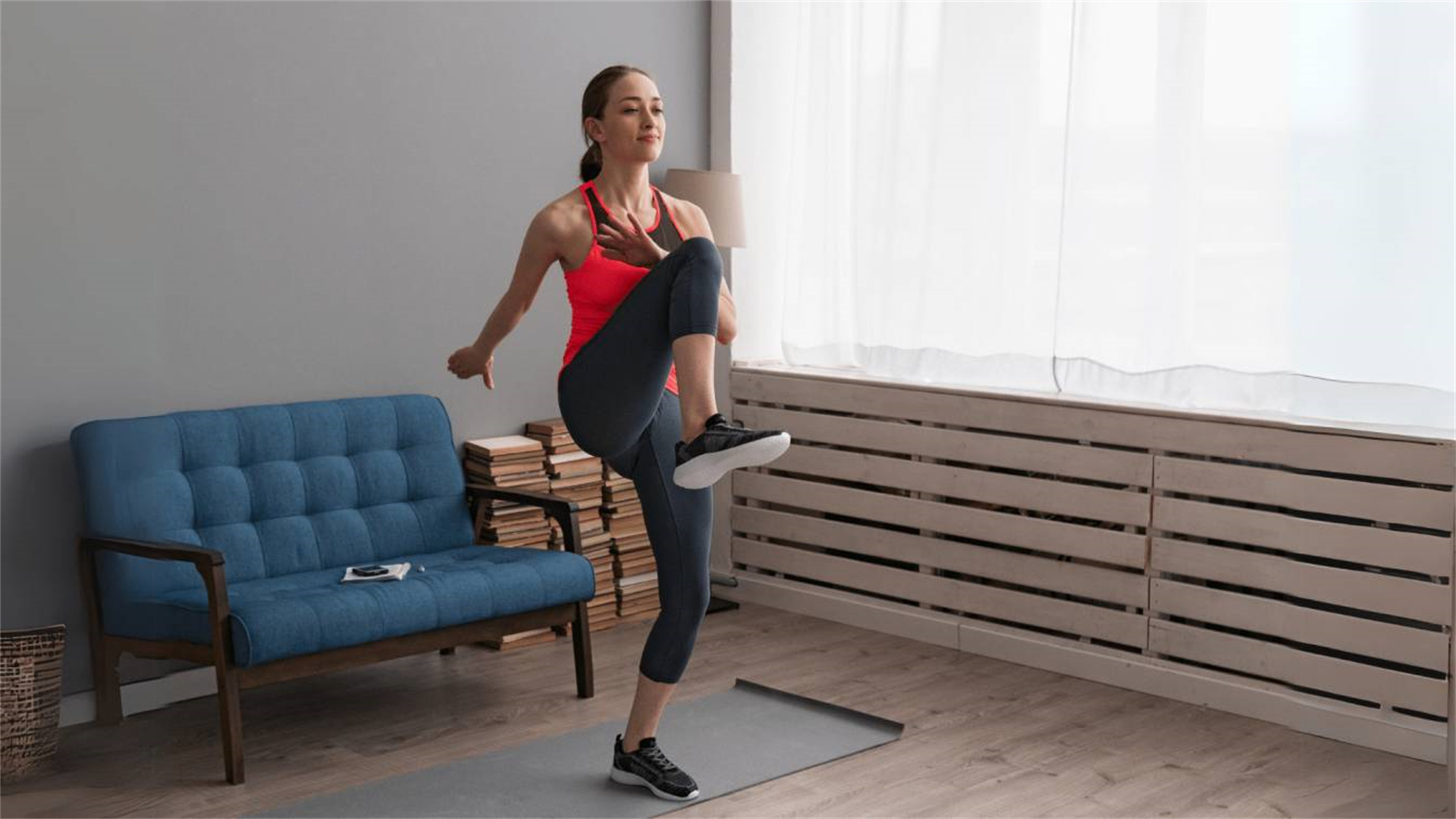
High knees are a dynamic stretch that elevates heart rate, warms up the leg muscles, and improves coordination, making them ideal for cardiovascular and lower-body workouts. This exercise involves driving the knees upward toward the chest while maintaining a brisk pace, simulating running motions. Skipping high knees can leave your cardiovascular system underprepared, causing early fatigue and reducing endurance during aerobic activities. Additionally, cold leg muscles are more susceptible to strains or cramps, particularly in sports like sprinting or cycling. By including high knees in your warm-up, you enhance blood flow to the legs, activate the hip flexors and quadriceps, and prime your body for high-intensity efforts. This not only maximizes workout efficiency but also minimizes injury risk. Let's examine the proper technique, advantages, and consequences of overlooking this stretch.
1. How to Do High Knees Correctly: Form and Progressions
Stand tall with feet hip-width apart. Begin jogging in place, lifting each knee as high as possible toward your chest while swinging the opposite arm. Maintain a quick, rhythmic pace for 30-60 seconds. Keep your back straight and land softly on the balls of your feet to reduce impact. For progression, increase speed or incorporate forward movement. Avoid leaning backward or hunching over, as this can strain the lower back. This stretch should leave you slightly breathless, indicating cardiovascular activation.
2. Advantages for Endurance and Muscle Activation
High knees boost cardiovascular readiness by increasing heart rate and oxygen delivery to muscles, delaying fatigue during workouts. They also activate key lower body muscles, including the quadriceps, hamstrings, and calves, improving power for jumps and sprints. Additionally, this stretch enhances proprioception and coordination, which are vital for agility-based sports. Regular use can improve running economy and reduce the risk of shin splints by strengthening the anterior tibial muscles.
3. Dangers of Skipping High Knees: Fatigue and Lower Body Injuries
Omitting high knees can lead to poor cardiovascular warm-up, causing you to tire quickly and waste time struggling through workouts. Cold leg muscles are prone to pulls or tears, especially during explosive movements like box jumps or lunges. This can result in setbacks such as hamstring strains or Achilles tendonitis. Moreover, inadequate activation of the hip flexors can contribute to imbalances and knee pain, undermining long-term fitness progress and requiring prolonged recovery.
👣 5. Butt Kicks: Preparing the Hamstrings and Glutes for Optimal Performance
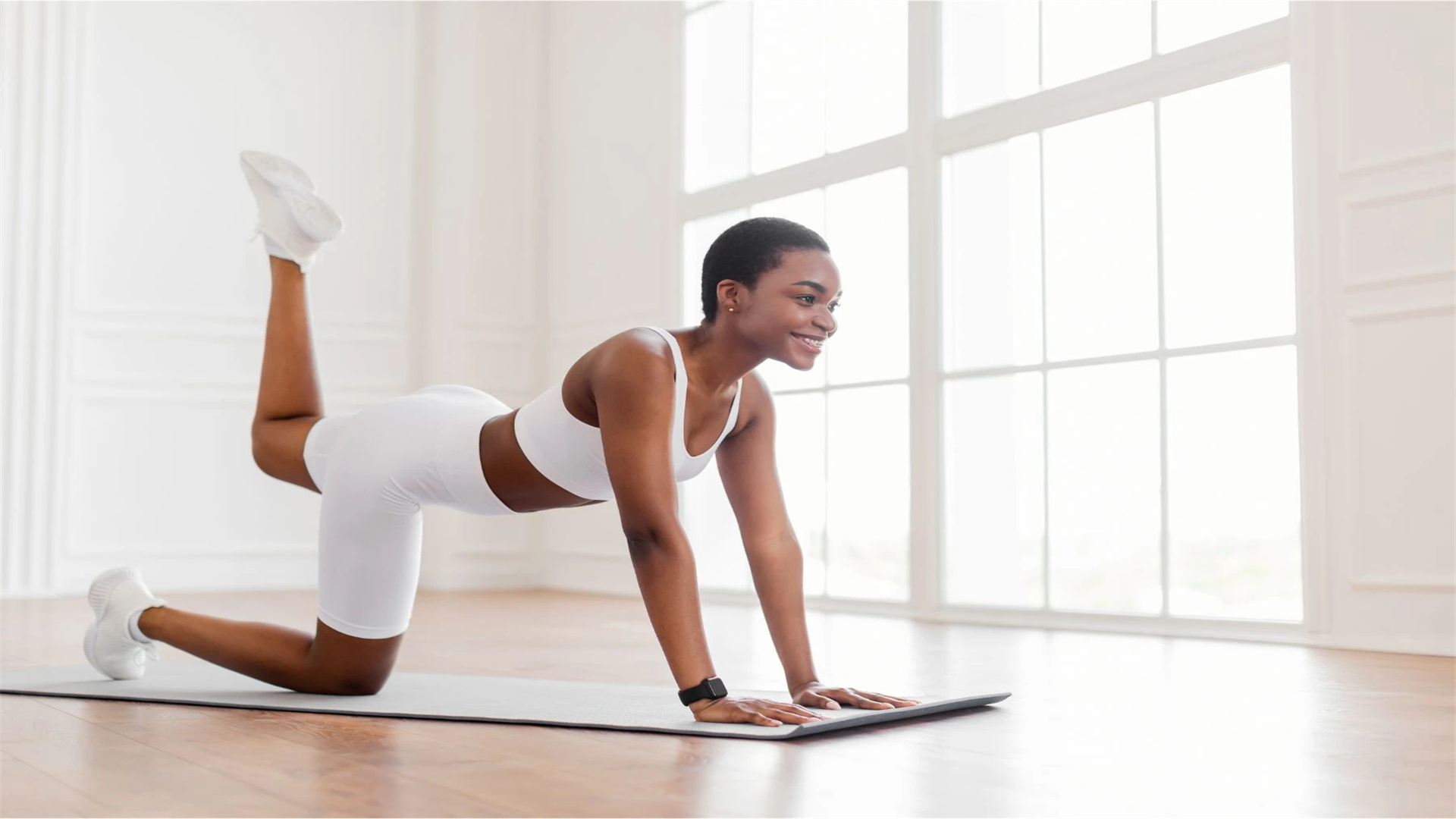
Butt kicks are a dynamic stretch that targets the hamstrings, glutes, and quadriceps, essential for running, jumping, and lower-body strength exercises. This movement involves kicking your heels up toward your glutes while maintaining a forward or in-place motion, effectively warming up the posterior chain. Neglecting butt kicks can leave these muscles tight and unresponsive, increasing the risk of hamstring strains, a common injury in athletes. Additionally, it can reduce running efficiency by limiting stride length and power output. By incorporating butt kicks, you improve flexibility in the hamstrings, activate the glutes for better hip extension, and enhance overall lower body coordination. This stretch is crucial for preventing injuries and ensuring that your workouts yield maximum results. Below, we outline the correct execution, benefits, and risks of skipping this vital warm-up component.
1. Performing Butt Kicks Properly: Steps and Tips
Stand with feet shoulder-width apart. Jog in place while kicking your heels up to touch your glutes, using a controlled motion. Aim for 20-30 repetitions per leg, maintaining a steady pace. Keep your torso upright and avoid leaning forward, which can strain the lower back. For variation, try moving forward or increasing speed. Focus on feeling a gentle stretch in the front of the thighs and hamstrings. This stretch should be done until the legs feel warm and loose.
2. Benefits for Hamstring Flexibility and Running Efficiency
Butt kicks enhance hamstring flexibility, reducing tightness that can lead to pulls during sprints or deadlifts. They also activate the glute muscles, which are critical for powerful hip extension in activities like squats or hill running. This stretch improves running form by promoting a higher knee lift and better foot strike, leading to increased speed and endurance. Additionally, it aids in recovery by increasing blood flow to the legs, reducing post-workout soreness.
3. Risks of Omitting Butt Kicks: Hamstring Strains and Reduced Power
Without butt kicks, the hamstrings may remain cold and inflexible, making them vulnerable to acute tears, especially during sudden accelerations. This can sideline athletes for weeks, wasting training time and effort. Poor glute activation can also lead to compensatory use of the lower back during lifts, increasing injury risk. Moreover, limited hamstring flexibility can decrease stride length in runners, reducing performance and efficiency, ultimately making workouts less productive.
🎯 Conclusion: Integrating Dynamic Stretches for a Safer, More Effective Workout
Incorporating these five dynamic stretches—leg swings, arm circles, torso twists, high knees, and butt kicks—into your pre-exercise routine is not just a recommendation; it's a necessity for anyone serious about fitness. As we've explored, each stretch plays a unique role in preparing specific muscle groups and joints, enhancing performance, and significantly reducing the risk of injury. Neglecting them can lead to wasted time, as your body struggles to perform optimally, and increased susceptibility to aches, strains, and long-term damage. By making dynamic stretching a consistent habit, you invest in your physical health, ensuring that every workout is efficient, safe, and aligned with your goals. Remember, a proper warm-up sets the foundation for success, whether you're an elite athlete or a weekend warrior. Start today by prioritizing these dynamic movements, and experience the transformative impact on your exercise regimen and overall well-being.
1. Recap of the 5 Dynamic Stretches and Their Importance
To summarize: leg swings boost hip mobility, arm circles prepare the shoulders, torso twists activate the core, high knees elevate cardiovascular readiness, and butt kicks warm up the hamstrings. Each addresses a critical aspect of physical preparation, and together, they create a comprehensive warm-up that primes your entire body for action. Skipping any one of these can create weaknesses that compromise your workout and health.
2. Practical Tips for Implementation in Your Routine
Dedicate 5-10 minutes before each exercise session to perform these stretches in sequence. Start slowly and increase intensity as your body warms up. Adjust repetitions based on your fitness level, and listen to your body to avoid overexertion. Consistency is key—make dynamic stretching a non-negotiable part of your routine, just like hydration or proper form. Consider pairing them with light cardio, such as jogging, for an even more effective warm-up.
3. Long-Term Benefits: Beyond Injury Prevention
Beyond preventing injuries, regular dynamic stretching improves overall flexibility, balance, and coordination, contributing to better performance in daily activities and sports. It can enhance recovery times, reduce muscle soreness, and promote joint health as you age. By committing to these stretches, you're not only safeguarding your workouts but also fostering a resilient, agile body that supports a lifelong active lifestyle. Don't let a lack of preparation waste your time or lead to setbacks—embrace dynamic stretching as your secret weapon for fitness success.
You May Have Missed

Dentist Demonstrates the Bass Brushing Technique and 6 Essential Cleaning Tools
For many, the daily ritual of brushing teeth is a quick, automatic task—a few hurried swipes before rushing out the door. However, this common approach often misses the mark, leaving plaque to accumulate dangerously along the gum line and between teeth, the very areas most susceptible to decay and gum disease. Professional dental cleanings are crucial, but the foundation of lifelong oral health is built at home, through consistent and correct technique. This article, guided by dental expertise, delves deep into the cornerstone of effective home care: the modified Bass brushing technique. We will break down this dentist-recommended method step-by-step and pair it with a detailed exploration of six essential cleaning tools. Moving beyond generic advice, this guide provides a specific, actionable blueprint to transform your oral hygiene routine from a mundane task into a powerful, preventative health practice.

3 Step Frequency Goals and 2 Efficient Walking Postures
Walking is often hailed as the most accessible and fundamental form of exercise. Yet, for something so simple, there is a profound depth to mastering it for optimal health, fitness, and well-being. Moving beyond a casual stroll requires intention and strategy. This guide focuses on two pivotal, interconnected pillars: Frequency and Form. Setting clear step-frequency goals provides the structure and motivation for consistency, while adopting efficient walking postures ensures that every step you take is powerful, safe, and effective. Whether your aim is to boost cardiovascular health, manage weight, improve mental clarity, or enhance overall vitality, aligning your step goals with proper biomechanics is the key to unlocking the full transformative potential of this simple act. Let's explore how to intelligently structure your walking routine and perfect your stride.

Insomnia Isn't Just About Melatonin! 5 Steps to Reset Your Sleep Clock
For many struggling with sleepless nights, the solution seems to be found in a bottle. Melatonin supplements have become the go-to remedy, a quick fix for a body that won't quiet down. While melatonin plays a crucial role in signaling sleepiness, chronic insomnia is rarely just a simple hormone deficiency. It's often a symptom of a misaligned circadian rhythm—your internal sleep clock that dictates your sleep-wake cycle, hormone release, and body temperature. Resetting this master clock requires a holistic approach that goes far beyond supplementation. It's about retraining your brain and body to recognize when it's truly time for rest. This guide delves into five foundational, science-backed steps to synchronize your circadian rhythm and reclaim restorative sleep.
We focus on sharing high-quality original content covering diverse fields such as technology & digital, life essays, and practical useful tips. We polish every article with care to bring you a warm and in-depth reading experience. Explore more interesting new knowledge only at FunLab666.