
6 Key Habits for Vision Protection in Children Aged 0-6
Introduction
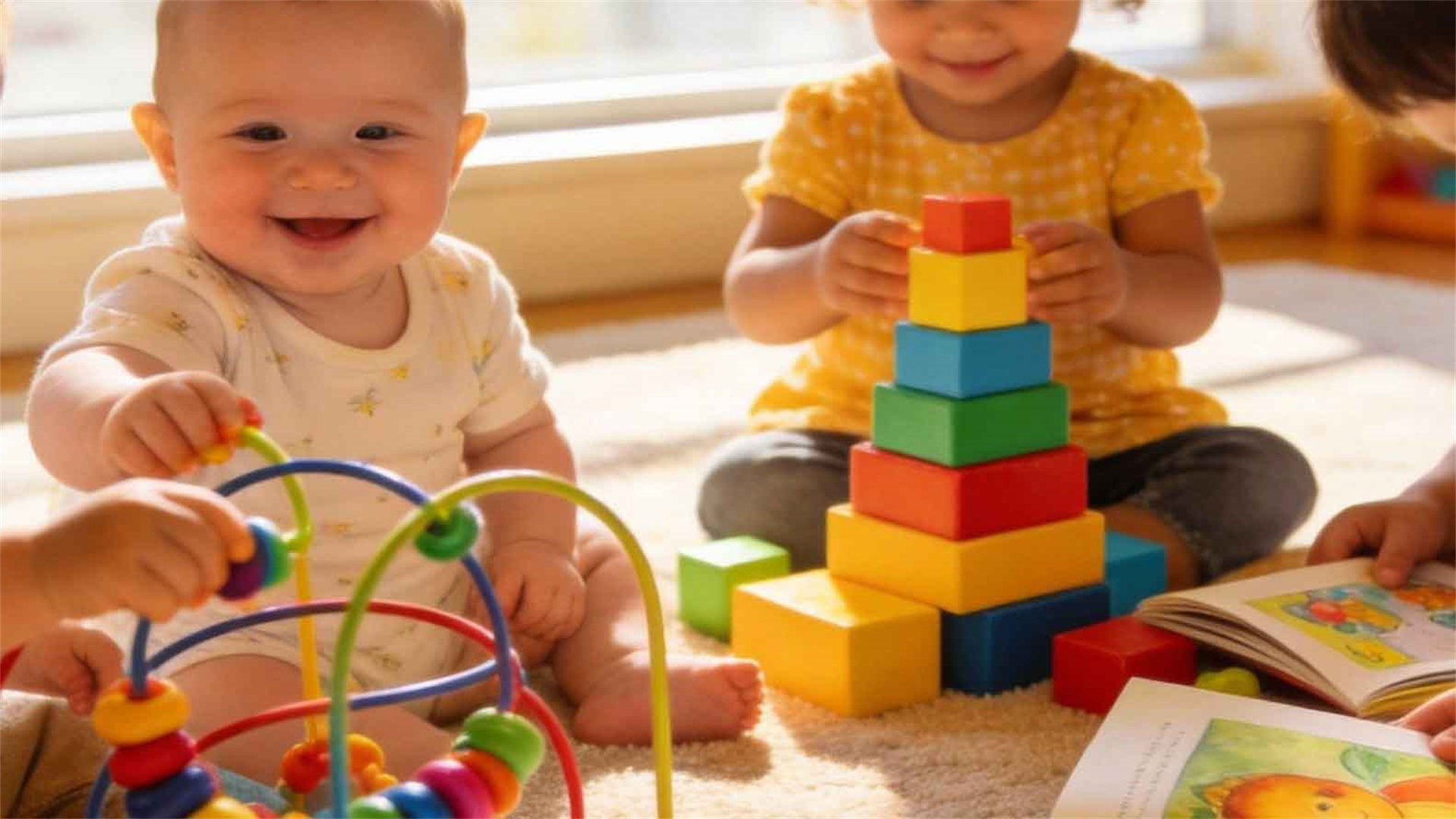
Vision development in children aged 0-6 is a critical period that lays the foundation for lifelong eye health and visual acuity. During these formative years, the eyes and brain are rapidly developing, making it essential to establish protective habits early to prevent common issues like myopia, amblyopia (lazy eye), and other vision disorders. According to research from organizations like the American Academy of Ophthalmology, early intervention can significantly reduce the risk of permanent vision impairment. This article outlines six key habits that parents and caregivers can adopt to safeguard their children's vision. By integrating these practices into daily routines, we can promote healthy eyesight, support learning and development, and ensure children thrive in their visual world. The following sections delve into each habit, providing actionable insights backed by expert recommendations from international sources.
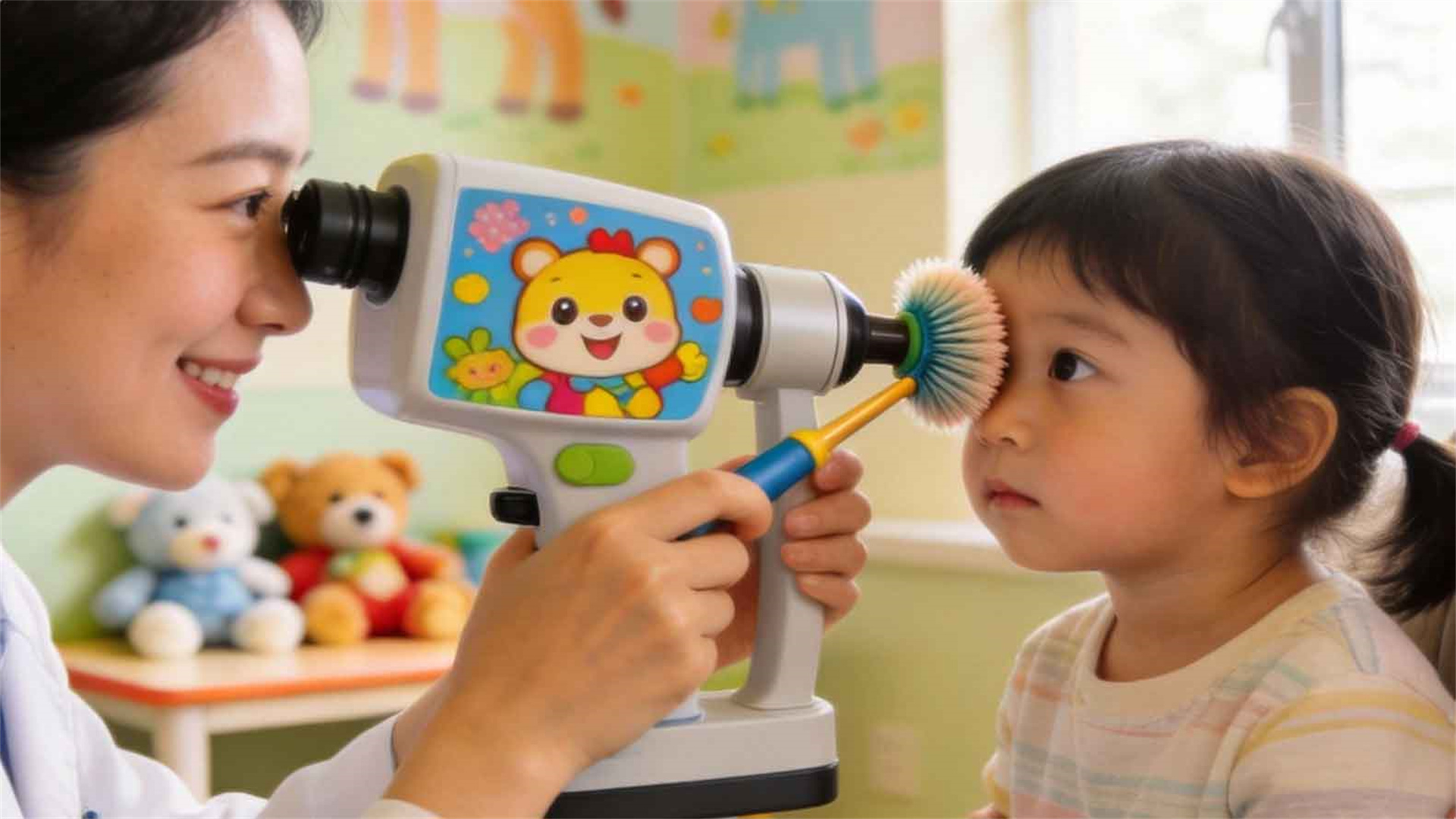
1. 👁️ Schedule Regular Eye Examinations
Regular eye examinations are paramount for detecting vision problems early in children aged 0-6. The American Optometric Association recommends that infants have their first comprehensive eye exam at 6 months, followed by checks at age 3 and before starting school around age 5-6. These exams can identify issues such as refractive errors, strabismus (crossed eyes), or amblyopia, which might not be obvious through casual observation. Early diagnosis allows for timely treatments like glasses, patches, or therapy, which can prevent long-term vision loss. During exams, pediatric ophthalmologists assess visual acuity, eye alignment, and overall eye health using child-friendly techniques. Parents should not wait for symptoms to appear; proactive scheduling ensures that any abnormalities are addressed before they impact a child's development or academic readiness. Additionally, regular check-ups establish a baseline for monitoring changes over time, fostering a habit of preventive care that benefits eye health throughout life.
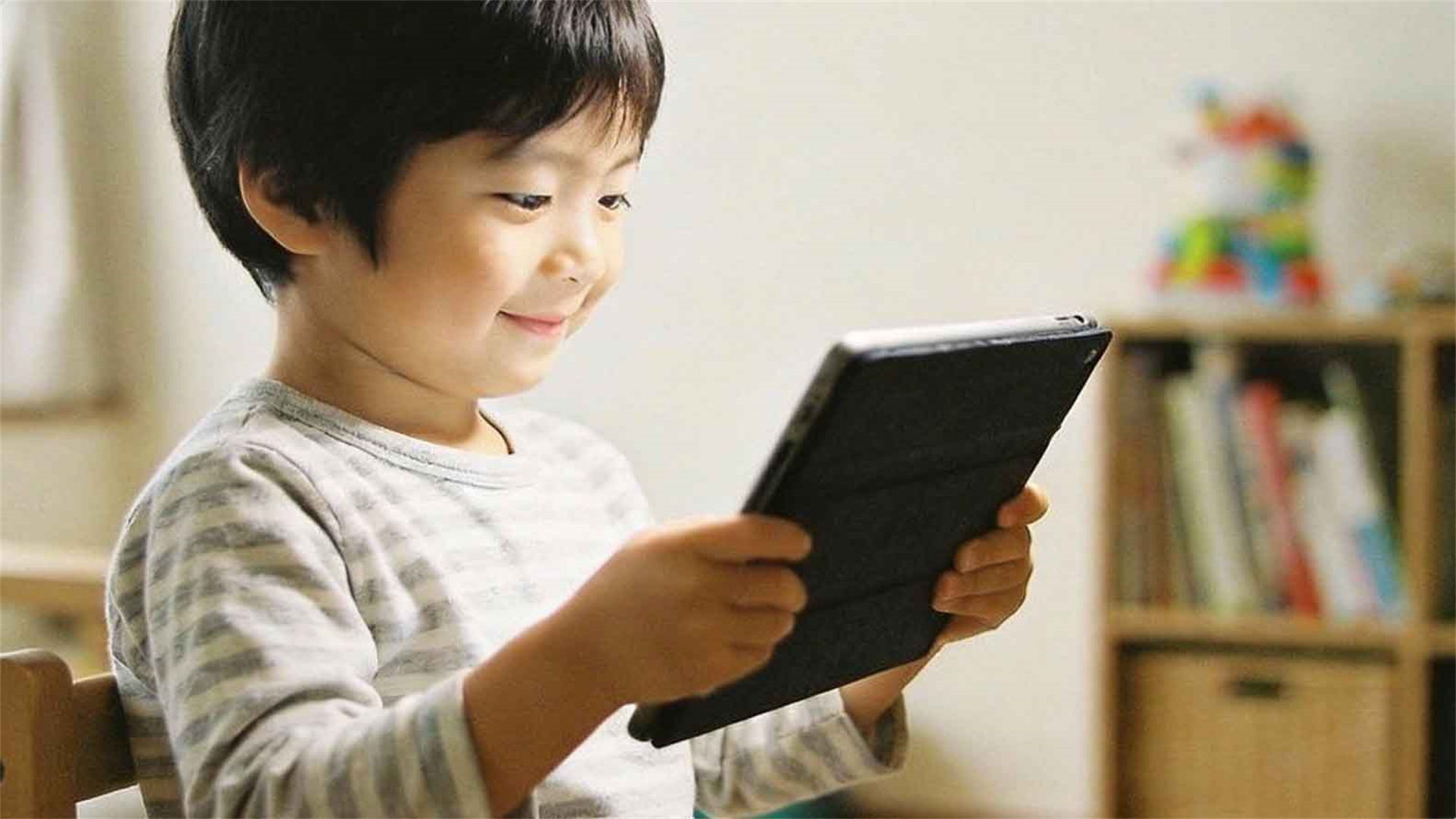
2. 📵 Limit Screen Time and Ensure Proper Viewing Distance
In today's digital age, excessive screen time poses a significant risk to children's vision, particularly for those under 6. Prolonged exposure to screens from devices like tablets, smartphones, and TVs can lead to digital eye strain, characterized by dry eyes, headaches, and blurred vision. The World Health Organization advises no screen time for infants under 1 year and limited, supervised use for children aged 2-4, with a focus on interactive, educational content. For children aged 0-6, it's crucial to enforce the 20-20-20 rule: after 20 minutes of screen use, encourage a 20-second break to look at something 20 feet away. Ensure proper viewing distance by keeping screens at least arm's length away and at eye level to reduce glare and neck strain. Creating screen-free zones, such as during meals and bedtime, promotes healthier habits. Instead, engage children in offline activities like reading or puzzles to balance their visual experiences and protect developing eyes from blue light exposure, which some studies link to sleep disruption and eye fatigue.

3. 🌳 Encourage Outdoor Play and Activities
Outdoor play is a powerful habit for vision protection in young children, as it has been linked to a reduced risk of myopia (nearsightedness). Research from institutions like the University of Cambridge indicates that spending at least 1-2 hours daily outdoors can slow the progression of myopia by exposing children to natural light and allowing their eyes to focus on distant objects. Sunlight stimulates the release of dopamine in the retina, which may help regulate eye growth. For children aged 0-6, outdoor activities like running, playing ball, or exploring nature not only support physical health but also encourage visual development by enhancing depth perception, tracking skills, and peripheral vision. Parents should prioritize safe, supervised outdoor time in parks or playgrounds, even on cloudy days, as the benefits extend beyond vision to overall well-being. Limiting indoor, near-work activities and integrating outdoor play into daily routines can foster a lifelong love for nature while safeguarding eye health.

4. 🥕 Provide a Balanced Diet Rich in Eye-Healthy Nutrients
Nutrition plays a vital role in vision protection for children aged 0-6, as certain nutrients support eye development and function. A balanced diet should include foods high in vitamin A (e.g., carrots, sweet potatoes, and spinach), which is essential for maintaining the retina and preventing night blindness. Omega-3 fatty acids, found in fish like salmon and in flaxseeds, contribute to visual acuity and may reduce dry eye symptoms. Lutein and zeaxanthin, antioxidants present in leafy greens and eggs, protect the eyes from harmful blue light and oxidative stress. Vitamin C from citrus fruits and vitamin E from nuts support overall eye health. For infants, breastfeeding provides key nutrients, while older children can benefit from varied meals that incorporate colorful fruits and vegetables. Avoiding excessive sugar and processed foods helps prevent inflammation that could impact vision. By modeling healthy eating habits and offering nutrient-dense snacks, parents can ensure their children's eyes receive the building blocks needed for optimal development.
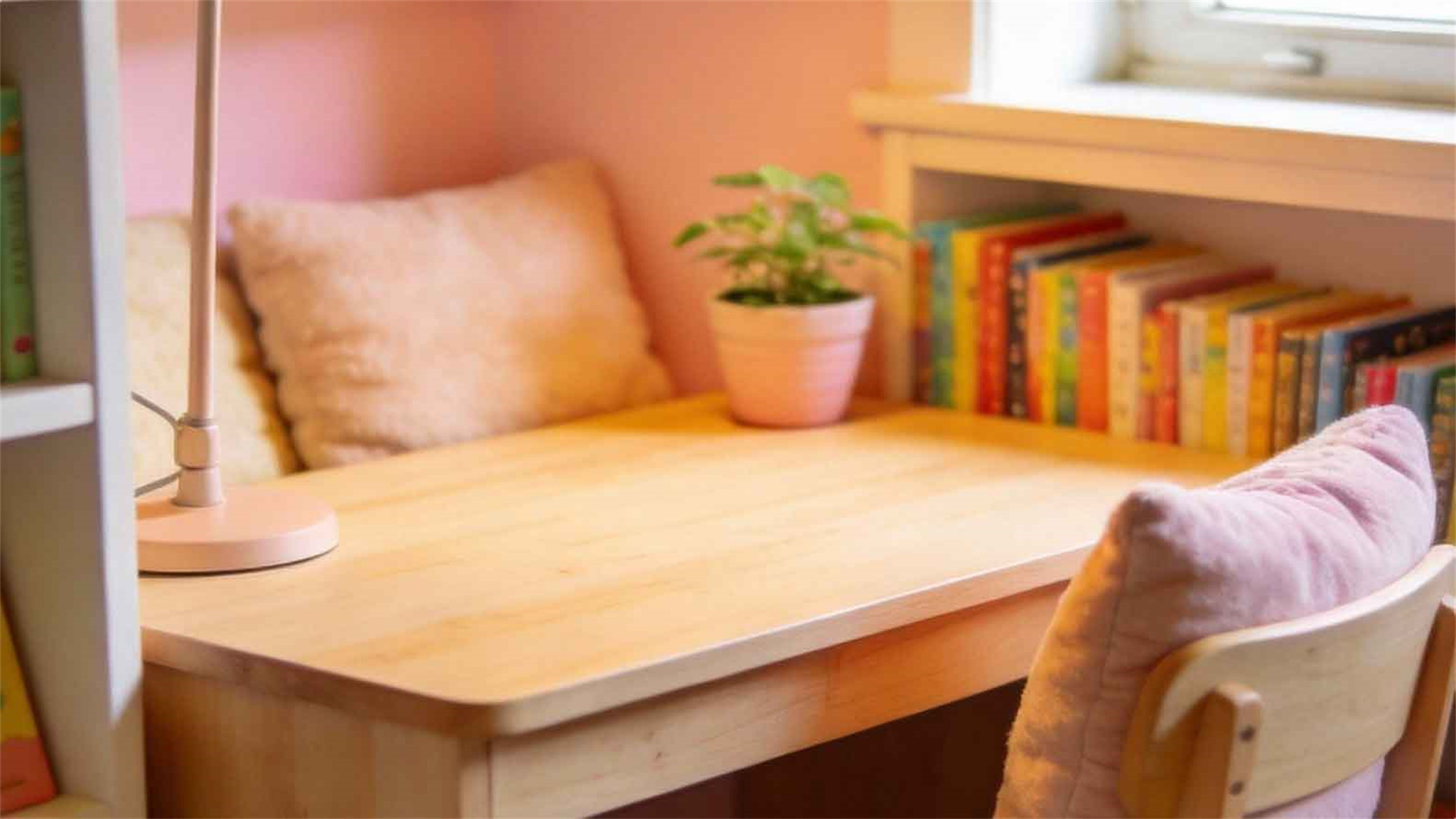
5. 💡 Ensure Adequate Lighting for Reading and Play
Proper lighting is crucial for protecting children's vision during activities like reading, drawing, or playing, as poor illumination can cause eye strain and fatigue. For children aged 0-6, ensure that play areas and reading nooks are well-lit with natural or artificial light that is evenly distributed without glare. Use adjustable lamps with warm, white light for close-up tasks, positioning them to avoid shadows on the work surface. The American Academy of Pediatrics recommends avoiding dim or flickering lights, which can force the eyes to work harder, potentially leading to headaches or blurred vision. During daytime, maximize natural light by placing desks near windows, but use curtains to diffuse direct sunlight that may cause squinting. For nighttime, maintain a consistent, gentle light level to support circadian rhythms and sleep quality. Teaching children to take breaks and adjust their posture can further reduce visual stress. By creating an eye-friendly environment, parents help prevent discomfort and promote healthy visual habits that extend into school years.
6. 🛡️ Educate Children on Eye Safety and Injury Prevention
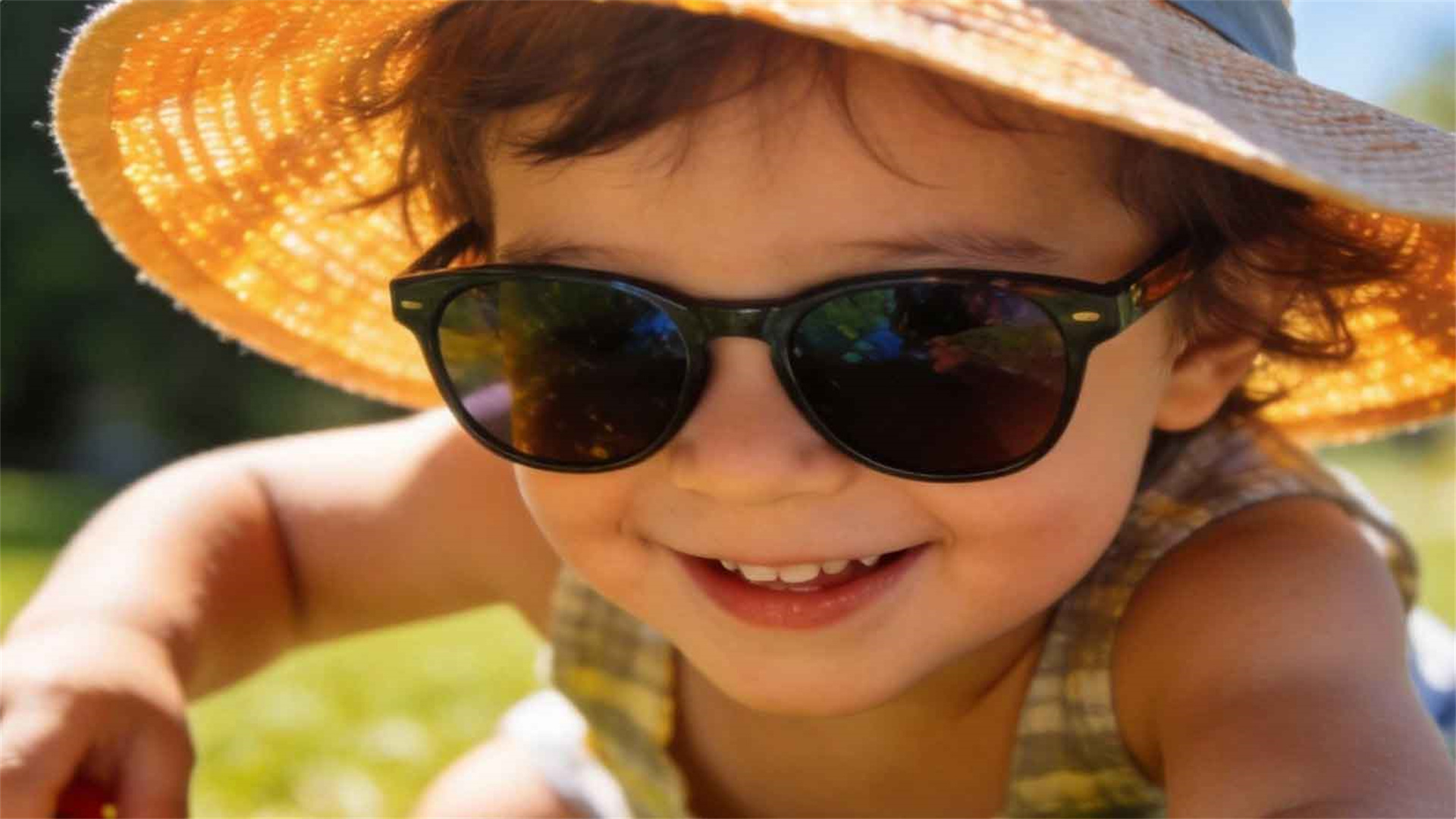
Eye safety education is a key habit for preventing injuries that could harm vision in children aged 0-6. Common risks include toys with sharp edges, household chemicals, and UV exposure from the sun. Parents should childproof homes by securing hazardous items and choosing age-appropriate, non-toxic toys. Teach children to avoid rubbing their eyes with dirty hands, which can introduce infections, and to wear protective eyewear during activities like swimming or sports. For outdoor play, use UV-blocking sunglasses and hats to shield eyes from harmful rays, as cumulative sun damage can increase the risk of cataracts later in life. Model safe behaviors, such as not pointing objects at the face, and explain why eye protection matters using simple language. In case of injury, seek immediate medical attention to prevent complications. By fostering awareness and caution, this habit not only protects vision but also instills a sense of responsibility that children can carry into adulthood.
Conclusion
In summary, protecting the vision of children aged 0-6 requires a proactive approach centered on six key habits: regular eye examinations, limited screen time, outdoor play, balanced nutrition, adequate lighting, and eye safety education. These practices, supported by evidence from international health organizations, work synergistically to promote healthy visual development and prevent common disorders. By integrating these habits into daily life, parents and caregivers can empower their children to enjoy clear sight, enhanced learning, and overall well-being. Remember, early intervention is critical—starting these habits today can lay a strong foundation for lifelong eye health. Let's prioritize vision protection as an essential part of childhood care, ensuring every child has the opportunity to see the world vividly and safely.
You May Have Missed

10 Traits for Identifying Highly Sensitive Children and Personalized Parenting Guidelines
Highly Sensitive Children (HSCs) are not simply "shy" or "difficult." They are born with a nervous system that is more deeply attuned to and processes sensory, emotional, and social information more thoroughly than others. This innate trait, present in roughly 15-20% of the population, is known as Sensory Processing Sensitivity (SPS). For these children, the world can feel louder, brighter, faster, and more emotionally intense. Understanding this biological basis is the first, crucial step away from mislabeling and towards supportive, personalized parenting. Recognizing an HSC is not about diagnosing a problem but about appreciating a unique neurotype—one that comes with significant strengths like deep empathy, creativity, and conscientiousness, alongside specific challenges. This article will outline ten key traits to help you identify if your child is highly sensitive and provide actionable, personalized parenting strategies to help them not just cope, but thrive.
7 Scientific Steps to Soothe a Child's Temper Tantrums
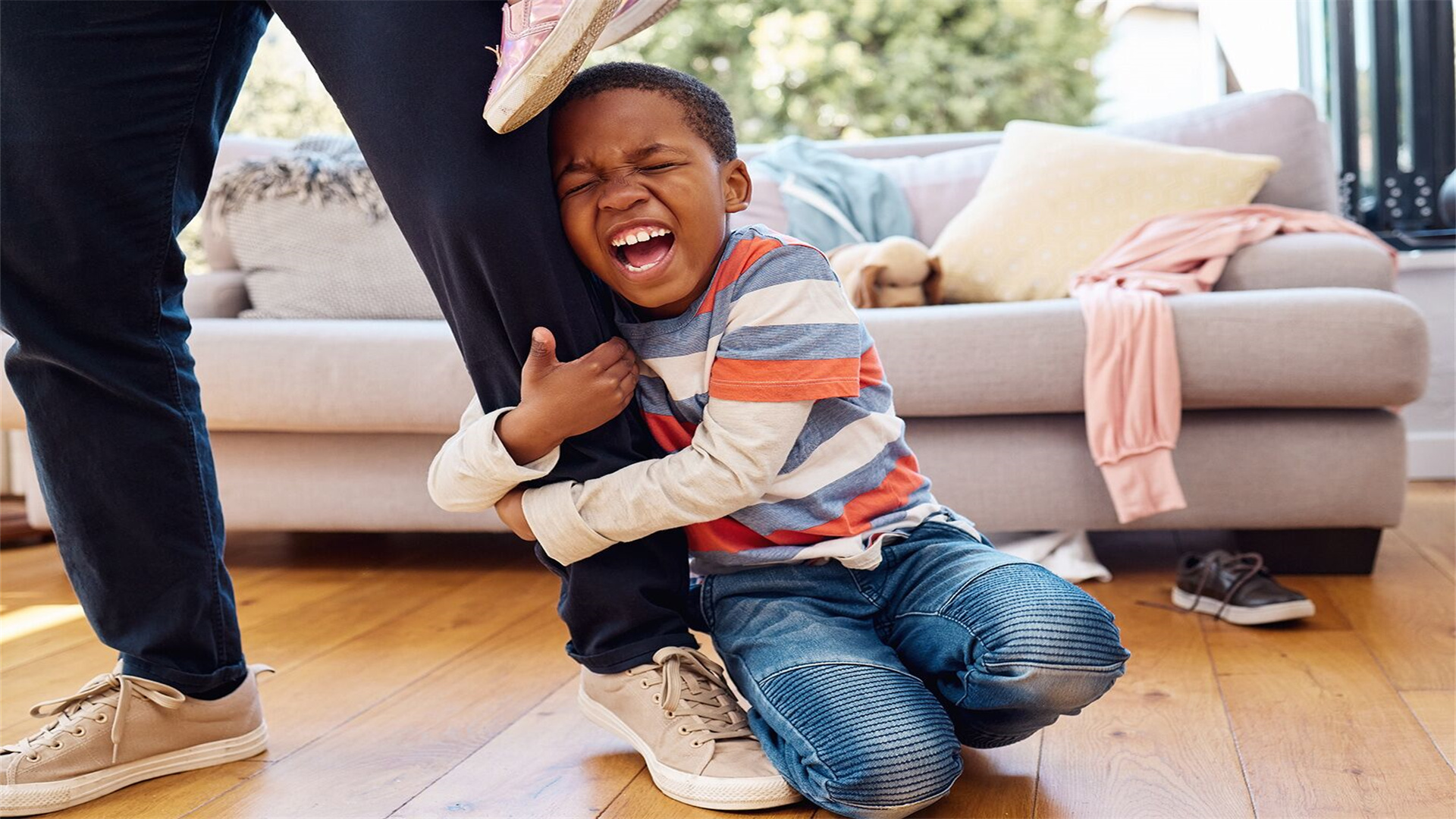
For parents and caregivers, few moments are as challenging and emotionally draining as a child's full-blown temper tantrum. The screaming, crying, kicking, and apparent loss of control can trigger frustration, helplessness, and even embarrassment, especially in public. It's a universal parenting experience that often feels deeply personal and bewildering. However, modern developmental psychology and neuroscience offer a new lens through which to view these emotional storms. Rather than seeing tantrums as mere acts of defiance or manipulation, science reveals them as a developmentally normal, albeit intense, expression of a child's immature brain struggling to process overwhelming emotions, unmet needs, or communication barriers.

7 "Golden Response" Rules for Building Secure Attachment
Secure attachment is the invisible foundation for healthy relationships, emotional resilience, and overall well-being. It's the deep-seated sense of safety and trust that allows individuals, from infancy through adulthood, to explore the world knowing they have a reliable "home base" to return to. While often discussed in the context of parent-child bonds, the principles of secure attachment are fundamental to all meaningful connections.
We focus on sharing high-quality original content covering diverse fields such as technology & digital, life essays, and practical useful tips. We polish every article with care to bring you a warm and in-depth reading experience. Explore more interesting new knowledge only at FunLab666.