
7 "Golden Response" Rules for Building Secure Attachment

Secure attachment is the invisible foundation for healthy relationships, emotional resilience, and overall well-being. It's the deep-seated sense of safety and trust that allows individuals, from infancy through adulthood, to explore the world knowing they have a reliable "home base" to return to. While often discussed in the context of parent-child bonds, the principles of secure attachment are fundamental to all meaningful connections. At its heart, building this security hinges on consistent, attuned responses—the "golden responses" that signal understanding, availability, and care. This article outlines seven essential rules, grounded in developmental psychology and attachment theory, to guide you in fostering these crucial bonds. By integrating these principles, you can create relationships where vulnerability is met with support, distress is met with comfort, and joy is met with shared celebration.
1. 🧭 Rule 1: Be Predictably Available and Responsive

The cornerstone of secure attachment is reliability. It’s not about being physically present 24/7, but about being emotionally and consistently responsive in key moments.
1.1. Consistency Over Intensity
Secure attachment is built through small, repeated interactions, not grand gestures. It's the daily practice of responding to bids for attention—a child's call, a partner's sigh, a friend's text—with attention and care. This consistency creates a mental model for the other person that says, "You are important, and I am here for you."
1.2. Tune Into Cues, Not Just Words
Responsiveness means reading between the lines. It involves noticing nonverbal cues: a slumped posture, a fleeting expression of worry, or a change in tone. By responding to these subtle signals ("You seem quiet today, is everything okay?"), you communicate deep attentiveness and validate unspoken feelings.
1.3. Manage Your Own Availability
Predictability also means being clear about your boundaries. It is more secure to say, "I can't talk right now, but I will call you at 7 PM," than to be physically present but distracted or resentful. This teaches that needs are respected and that promises are kept.
2. 🛡️ Rule 2: Provide a "Safe Haven" for Emotional Expression

A secure relationship acts as a sanctuary where all emotions are welcome without judgment, criticism, or dismissal.
2.1. Validate, Don't Fix
The immediate urge when someone is upset is often to solve the problem. However, the golden response is first to validate the emotion. Phrases like "That makes total sense you'd feel that way," or "I can see how hurtful that was," make the other person feel seen and understood. Problem-solving can come later, if needed.
2.2. Practice Co-Regulation
When emotions run high, your calm presence is the most powerful tool. By staying regulated yourself—maintaining a steady voice, open posture, and patient demeanor—you help the other person's nervous system calm down. You are essentially lending them your emotional stability until they can regain their own.
2.3. Eliminate Shaming Language
Secure attachment cannot coexist with shame. Avoid phrases like "You're overreacting," "Stop crying," or "Don't be so sensitive." Instead, create a vocabulary of acceptance: "All feelings are okay here," "Let's talk about what's big for you right now."
3. 🌱 Rule 3: Encourage Autonomy and Be a "Secure Base"
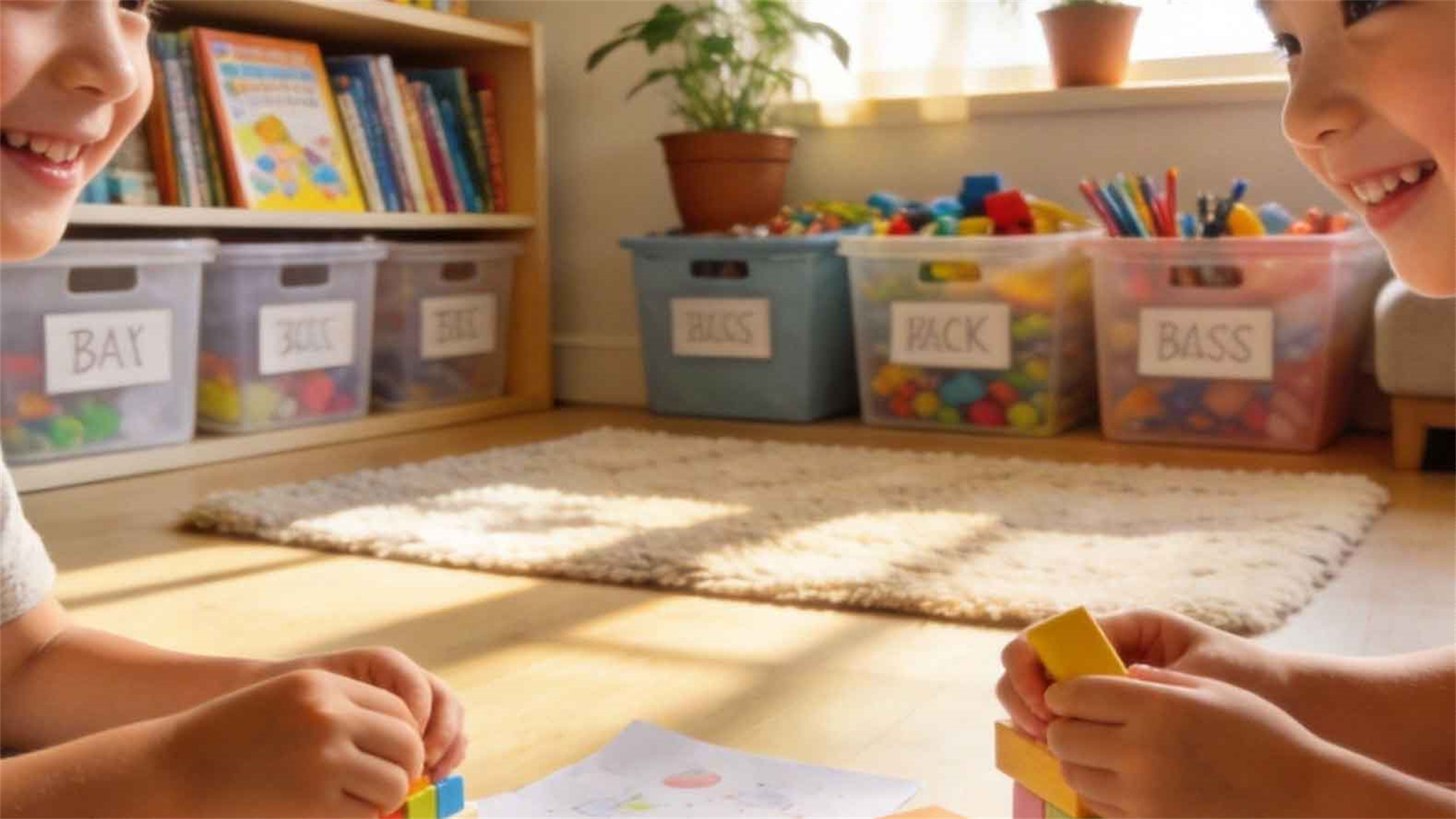
Secure attachment fosters independence, not dependence. It provides the confidence to venture out, knowing support is unwavering.
3.1. Cheer from the Sidelines
Be the enthusiastic supporter of the other person's explorations, interests, and goals. Show genuine interest in their pursuits outside the relationship. Your encouragement is the wind beneath their wings, signaling your belief in their capabilities.
3.2. Support Risk-Taking and Accept Mistakes
A secure base allows for safe failure. Communicate that mistakes are not a threat to the relationship but a part of learning. The message should be, "I'm here whether you succeed or stumble," which reduces anxiety around trying new things.
3.3. Avoid Enmeshment and Control
Love is not control. Making decisions for others, guilt-tripping them for spending time on their own, or expressing anxiety about their independence undermines security. Trust and respect for their separate self are paramount.
4. 🔊 Rule 4: Practice Attuned and Reflective Communication

This involves the delicate dance of listening deeply, understanding, and reflecting back what you hear to ensure true connection.
4.1. Master the "Serve and Return"
Like a game of emotional tennis, attuned communication involves a back-and-forth. They "serve" a feeling or thought; you "return" with a reflection. "So, what I'm hearing is that you felt overlooked in the meeting today?" This confirms you are tracking and care about their internal world.
4.2. Listen to Understand, Not to Reply
Suspend your own agenda and internal monologue. The goal is to comprehend their perspective fully before formulating your own response. This often means sitting with silence and allowing them the space to find their words.
4.3. Name the Unnamed
Help identify complex emotions. "It sounds like there's some disappointment mixed with pride," or "That seems really frustrating and maybe a little lonely." This act of "emotional coaching" helps individuals understand and process their own feelings more effectively.
5.⏳Rule 5: Prioritize Repair After Ruptures

No relationship is conflict-free. Security is not defined by the absence of ruptures (misattunements, arguments, hurts) but by the consistent ability to repair them.
5.1. Take Responsibility for Your Part
A sincere, specific apology is powerful. "I'm sorry I snapped at you earlier. I was stressed from work, but that wasn't fair to you. I hurt your feelings." This models accountability and shows the relationship is more important than being right.
5.2. Reject Stonewalling and the Silent Treatment
Withdrawing love or presence as punishment is profoundly damaging to attachment security. It creates abandonment anxiety. Commit to staying connected, even during difficult conversations, or to taking a brief, agreed-upon cooling-off period with a set time to reconvene.
5.3. Focus on the Pattern, Not Just the Incident
After addressing the immediate issue, gently explore if it points to a recurring pattern. "I notice we keep having tensions around time commitments. Can we understand this better together?" This collaborative problem-solving strengthens the team dynamic.
6.❤️Rule 6: Express Delight and Positive Regard

Secure attachment thrives on positive connection. It’s essential to actively communicate enjoyment, appreciation, and love.
6.1. Practice "Positive Scanning"
Make a conscious effort to notice and verbally appreciate the other person's positive qualities and actions. "I loved how you handled that situation with such kindness," or "I feel so lucky to get to share these little moments with you."
6.2. Share Spontaneous Affection and Joy
Unexpected hugs, words of affirmation, sharing a funny meme, or a smile across the room are deposits into the "emotional bank account." They create a backdrop of positivity that buffers against inevitable stresses.
6.3. Celebrate Their Existence, Not Just Their Achievements
Make it clear your love and delight are not conditional on performance. Express joy simply for who they are: "I just love being around you," or "Your laugh makes my day."
7. 🔄 Rule 7: Model Self-Awareness and Self-Regulation

You cannot offer a safe harbor for others if you are constantly in your own storm. Your ability to understand and manage your own emotions is a gift to the relationship.
7.1. Know Your Triggers and Take Ownership
Understand what situations or behaviors trigger disproportionate reactions in you. Communicate this self-awareness: "Just a heads-up, I'm feeling really raw about criticism today because of my work review. I might need a moment to process." This prevents blame and invites cooperation.
7.2. Develop Your Own Coping Toolkit
Have healthy, independent strategies for managing stress, anxiety, or anger—whether it's exercise, mindfulness, talking to a friend, or creative expression. This ensures you don't rely solely on the other person for your emotional regulation.
7.3. Maintain Your Identity and Interests
A securely attached individual has a life outside the relationship. By nurturing your own well-being and passions, you bring a fuller, more balanced self to the connection and avoid placing undue burden on it to fulfill all your needs.
🎯 Conclusion: Weaving the Golden Threads Together

Building secure attachment is not about executing seven perfect, isolated rules. It is the ongoing, mindful practice of weaving these "golden responses" into the fabric of your daily interactions. It's a commitment to showing up with predictability, offering a safe haven for vulnerability, and cheering from the sidelines as a secure base. It requires the courage to communicate with attunement, the humility to pursue repair, the joy of expressing delight, and the foundational work of self-awareness. These rules are interconnected; repairing a rupture (Rule 5) reinforces the safe haven (Rule 2), while expressing delight (Rule 6) strengthens the positive bonds that make autonomy (Rule 3) feel safe. By integrating these principles, you do more than improve a relationship—you actively participate in creating an environment where both you and the other person can grow, thrive, and experience the profound security of being truly seen, valued, and held.
You May Have Missed

Pediatrician-Recommended 3-Dimensional Promotion Plan of "Nutrition + Sleep + Exercise" and Key Indicator Monitoring
In the journey of child development, parents and caregivers are often presented with a wealth of information, sometimes contradictory, on how best to support their child's growth. Navigating this landscape can be daunting. Pediatricians worldwide emphasize that optimal growth isn't about focusing on a single facet but rather about nurturing a harmonious ecosystem within the child. This holistic approach crystallizes into three foundational pillars: Nutrition, Sleep, and Exercise. These elements are deeply interconnected; each one influences and strengthens the others, creating a synergistic effect on a child's physical health, cognitive function, emotional regulation, and social skills. A deficit in one area can undermine the benefits of the other two. Therefore, a coordinated, three-dimensional promotion plan is not just beneficial—it's essential. This article outlines a pediatrician-recommended framework for integrating these pillars into daily life, complemented by a practical guide on monitoring key indicators to ensure your child is thriving on their unique path.

Weekly "Digital Fasting" and 3 Classic Methods for Training Concentration
In an era where notifications are constant and screens demand our gaze, the ability to concentrate has become a rare and valuable skill. Our attention is fragmented, pulled in a dozen directions by the digital tools designed to connect and inform us. The result is often a feeling of mental exhaustion, reduced productivity, and a nagging sense that we are no longer in control of our own focus. To reclaim this vital cognitive resource, a powerful two-pronged approach is emerging: the practice of deliberate Weekly Digital Fasting combined with time-tested Methods for Training Concentration. This isn't about rejecting technology wholesale, but about creating intentional space and strengthening the mental muscle of attention, allowing us to engage with the digital world on our own terms.

Up-to-Date Children's Safety Lessons
In an era defined by rapid technological advancement and evolving social dynamics, the concept of child safety has expanded far beyond "stranger danger" and looking both ways before crossing the street. Today's children navigate a complex digital landscape, face nuanced social pressures, and require a more sophisticated understanding of personal boundaries and consent. Up-to-date safety lessons are not about instilling fear, but about empowering children with the knowledge, skills, and confidence to recognize risks, make smart choices, and seek help when needed. This comprehensive guide outlines essential, modern safety education that addresses the realities of the 21st-century child, moving from the playground to the smartphone with practical, age-appropriate strategies for parents, caregivers, and educators.
We focus on sharing high-quality original content covering diverse fields such as technology & digital, life essays, and practical useful tips. We polish every article with care to bring you a warm and in-depth reading experience. Explore more interesting new knowledge only at FunLab666.