
Common Misconceptions and Guidelines for Nutritional Planning in Preschool Children
Proper nutrition during the preschool years (ages 3-5) is a cornerstone for a child's growth, cognitive development, and the establishment of lifelong healthy eating habits. However, navigating this landscape can be fraught with confusion and well-intentioned errors. Parents and caregivers often encounter conflicting advice, leading to common misconceptions that can inadvertently impact a child's relationship with food. This article aims to demystify preschool nutrition by debunking prevalent myths and providing clear, evidence-based guidelines. By moving away from anxiety-driven practices and towards a balanced, positive approach, we can create a foundation that supports both the physical and emotional well-being of young children, ensuring they receive the diverse nutrients they need to thrive.
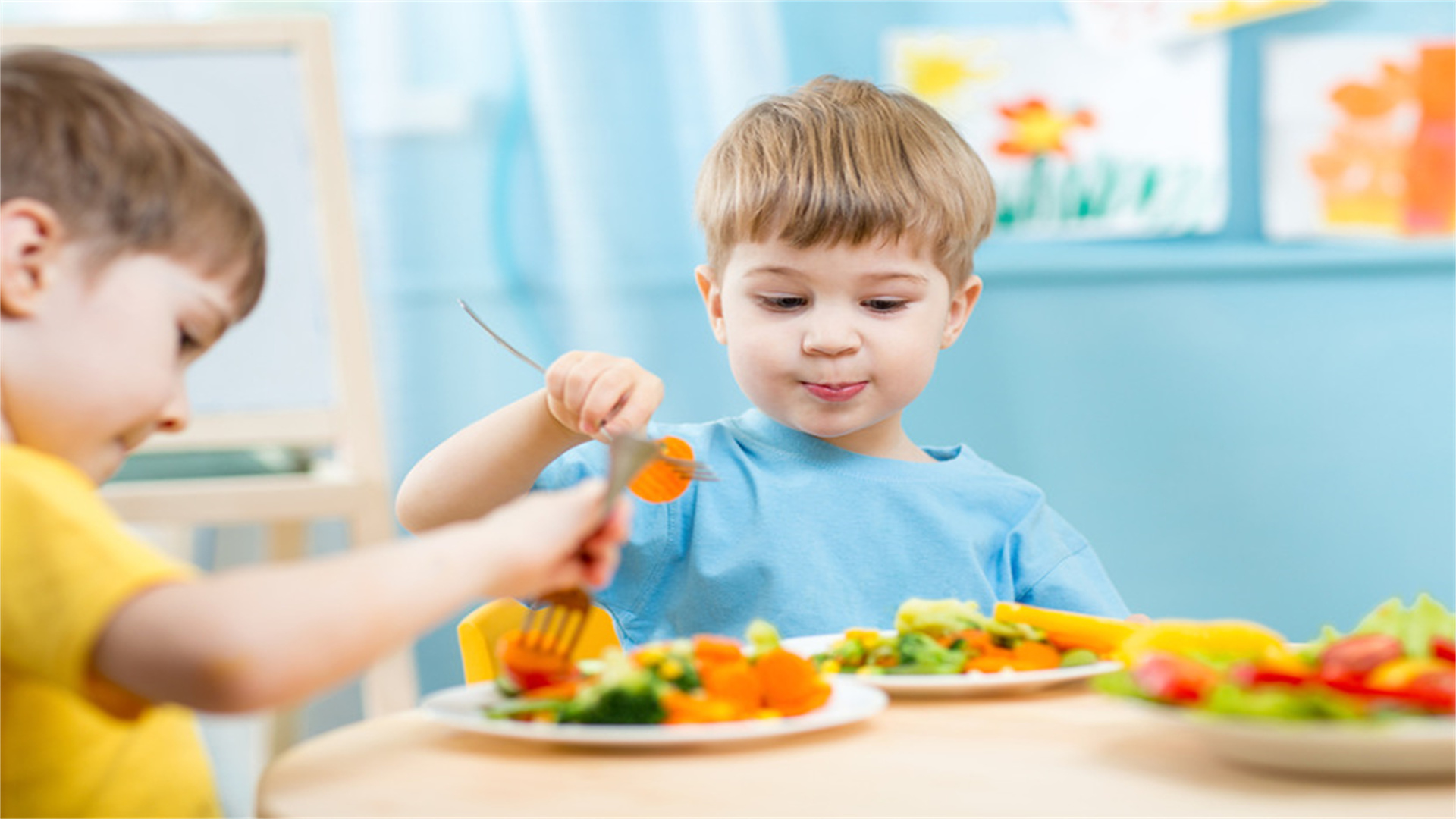
1. 🍎 Misconception: "My Child is a Picky Eater" vs. Reality: Normal Neophobia and Food Exploration
A defining characteristic of the preschool period is what experts call "neophobia" – a natural wariness of new foods. Labeling a child a "picky eater" after a few food rejections can create a self-fulfilling prophecy and turn mealtimes into a battleground.
The "Picky Eater" Trap
Many caregivers mistake a child's developing autonomy and sensory exploration for stubborn pickiness. Refusing a previously loved food (food jags) or being hesitant to try a new vegetable is typical behavior. The misconception lies in viewing this as a permanent trait rather than a developmental phase. Pressure, coercion, or short-order cooking (making separate meals) to ensure the child eats often reinforces the behavior and reduces dietary variety.
Guidelines for Encouraging Adventurous Eating
The key is repeated, low-pressure exposure. It can take 10-15 presentations of a new food before a child accepts it. Serve new foods alongside familiar favorites without comment. Involve children in age-appropriate food preparation, like washing fruits or tearing lettuce. Use playful, descriptive language about food's color, shape, and crunch rather than its health benefits ("eat this, it's good for you"). The Division of Responsibility (by Ellyn Satter) is a gold-standard guideline: parents decide the what, when, and where of feeding; the child decides whether and how much to eat from what is offered.

2. 🥦 Misconception: "Healthy Means Only Low-Fat, No-Sugar, 'Clean' Foods"
In an era of health trends, there is a growing misconception that preschooler diets should mirror restrictive adult "clean-eating" patterns. This can lead to unnecessary limitations and nutrient deficiencies during a critical growth period.
The Dangers of Over-Restriction
Preschoolers have high energy needs relative to their size. Severely restricting healthy fats (like those from avocados, full-fat dairy, and oily fish) can compromise brain development and the absorption of fat-soluble vitamins (A, D, E, K). Demonizing all sugars or carbohydrates can create an unhealthy relationship with food and lead to secretive eating. Furthermore, an overly "clean" diet that eliminates food groups (without medical reason) can lack essential calories, calcium, and iron.
Guidelines for Balanced, Age-Appropriate Nutrition
Focus on balance and inclusion over perfection. Follow models like the USDA's MyPlate: fill half the plate with fruits and vegetables, a quarter with whole grains, and a quarter with protein, alongside a serving of dairy. Include healthy fats daily. For sweets, adopt a neutral stance: include them occasionally as part of a meal or snack (e.g., a small cookie with milk) to prevent them from becoming "forbidden fruit." The goal is to provide a varied diet from all food groups, ensuring adequate intake of key nutrients like iron (from lean meats, beans, fortified cereals), calcium (dairy, fortified plant-milks, greens), and vitamin D (sunlight, fortified foods, fatty fish).

3. 🥛 Misconception: "More Milk Equals Better Nutrition" and The Juice Pitfall
Fluid intake is crucial, but the type and quantity matter greatly. Two major misconceptions dominate: that unlimited milk is ideal and that fruit juice is a healthy equivalent to whole fruit.
The Milk and Juice Imbalance
While milk provides calcium and vitamin D, excessive consumption (beyond 16-24 ounces per day) can backfire. It fills a small stomach quickly, suppressing appetite for solid foods that provide iron and other critical nutrients, potentially leading to "toddler anemia." Similarly, 100% fruit juice, even with no added sugar, is concentrated in natural sugars and lacks the beneficial fiber of whole fruit. It can contribute to excessive calorie intake, dental cavities, and a preference for overly sweet drinks.
Guidelines for Healthy Hydration
Limit milk to recommended amounts (about 2-2.5 cups daily). Water should be the primary drink offered between meals. If serving juice, make it occasional, not daily, and limit it to 4-6 ounces per day, always served in a cup with a meal—not a sippy cup for all-day sipping. Actively encourage eating whole fruits instead. Model drinking water yourself and make it readily available throughout the day.

4.⏰Misconception: "Grazing All Day is Fine" and Inconsistent Meal Patterns
The belief that letting a child "graze" on snacks and drinks throughout the day ensures they get enough calories is a common but counterproductive practice. It undermines the development of a healthy appetite rhythm.
The Problem with Constant Grazing
A constantly grazing child is rarely truly hungry at designated meal and snack times. This can lead to rejection of the more structured, nutrient-dense meals offered. It also prevents children from learning to recognize their own internal hunger and fullness cues (satiety), a vital skill for lifelong weight management. Grazing often involves less nutritious, convenient "snack" foods rather than balanced meals.
Guidelines for Structured Meals and Snacks
Establish a predictable routine of three meals and 2-3 scheduled snacks per day, with about 2-3 hours between eating occasions. Offer water between these times. This structure allows a child's appetite to build, making them more likely to try foods at the table. Ensure snacks are "mini-meals" with nutritional value—pairing a carbohydrate with a protein or fat (e.g., apple slices with peanut butter, cheese with whole-grain crackers, yogurt with berries). Create a calm, distraction-free eating environment by turning off screens and sitting together.

5. 💡 Misconception: "Using Food as Reward or Punishment is an Effective Tool"
It's a deeply ingrained practice: promising dessert for eating vegetables or withholding a favorite snack for misbehavior. While seemingly effective short-term, this strategy has significant long-term negative consequences for a child's relationship with food.
The Psychology of Food as a Tool
Using dessert as a reward elevates its perceived value, making the "must-eat" vegetable seem like an unpleasant obstacle. This reinforces the idea that healthy foods are undesirable. Conversely, using food as comfort or a pacifier can teach emotional eating. When food is tied to behavior or emotions, children learn to eat for external reasons rather than internal hunger, disrupting their ability to self-regulate.
Guidelines for a Positive, Pressure-Free Food Environment
Decouple food from behavior and emotions. Find non-food rewards like stickers, extra story time, or a trip to the park. Offer nutritious, balanced meals and snacks that include enjoyable foods regularly, so no food becomes overly special or "reward-worthy." Avoid phrases like "finish your broccoli, then you get ice cream." Instead, neutrally present all foods as part of the meal. Comfort a child with hugs and conversation, not cookies. The goal is to make mealtimes a positive, shared family experience focused on connection and enjoyment of a variety of foods.

6. 🌟 Conclusion: Building a Foundation for a Lifetime of Healthy Eating
Navigating preschool nutrition successfully requires shifting from a mindset of control and worry to one of trust and guidance. The most powerful tools are not restrictive rules, but consistent routines, positive role modeling, and a relaxed feeding environment. By understanding that behaviors like food neophobia are normal, offering a structured yet varied diet from all food groups, managing milk and juice intake, establishing regular meal patterns, and avoiding the use of food as a behavioral tool, caregivers can support optimal growth. The ultimate goal is to foster a child's innate ability to regulate their intake and cultivate a genuine enjoyment of nutritious foods—a gift that will support their health and well-being far beyond the preschool years. Patience, persistence, and a positive atmosphere are the true cornerstones of effective nutritional planning for young children.
You May Have Missed

How to Cultivate Scientific Thinking in Children in Daily Life
In a world driven by innovation and discovery, scientific thinking is no longer a skill reserved for the lab coat-clad researcher. It is a fundamental mode of inquiry, a toolkit for understanding the world that empowers children to become curious, critical, and resilient problem-solvers. Contrary to popular belief, cultivating this mindset doesn't require expensive kits or a PhD; it flourishes through intentional yet playful integration into the fabric of daily life. Scientific thinking involves observation, questioning, hypothesizing, experimenting, and analyzing—processes that can be naturally woven into meals, playtime, walks, and even chores. This guide will explore practical, accessible strategies to transform everyday moments into fertile ground for nurturing the young scientist within your child, fostering a lifelong love for learning and exploration.

7 "Golden Response" Rules for Building Secure Attachment
Secure attachment is the invisible foundation for healthy relationships, emotional resilience, and overall well-being. It's the deep-seated sense of safety and trust that allows individuals, from infancy through adulthood, to explore the world knowing they have a reliable "home base" to return to. While often discussed in the context of parent-child bonds, the principles of secure attachment are fundamental to all meaningful connections.

Weekly "Digital Fasting" and 3 Classic Methods for Training Concentration
In an era where notifications are constant and screens demand our gaze, the ability to concentrate has become a rare and valuable skill. Our attention is fragmented, pulled in a dozen directions by the digital tools designed to connect and inform us. The result is often a feeling of mental exhaustion, reduced productivity, and a nagging sense that we are no longer in control of our own focus. To reclaim this vital cognitive resource, a powerful two-pronged approach is emerging: the practice of deliberate Weekly Digital Fasting combined with time-tested Methods for Training Concentration. This isn't about rejecting technology wholesale, but about creating intentional space and strengthening the mental muscle of attention, allowing us to engage with the digital world on our own terms.
We focus on sharing high-quality original content covering diverse fields such as technology & digital, life essays, and practical useful tips. We polish every article with care to bring you a warm and in-depth reading experience. Explore more interesting new knowledge only at FunLab666.